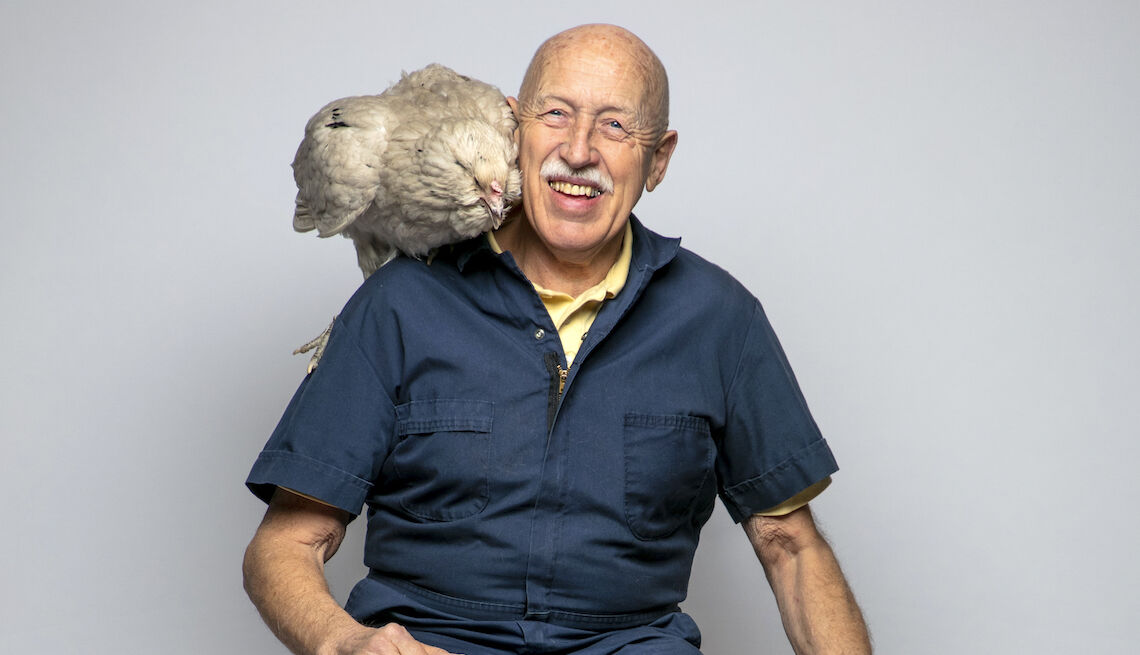
Inside Dr. Pol’s Farm Life: The Animals, the Dogs and the Tragic Loss of Beloved Pets Athena and Killian

For years, fans have tuned in to Dr. Jan Pol’s world for the chaos, the charm and the nonstop animal care. But behind the farm calls and family banter, the Pols’ story has always been about something more intimate: a life built around animals, and the heartbreak that comes when some of the most beloved ones are gone. The family’s public farm journey has featured sheep, cows, bees, chickens and horses, but for many viewers, it is the dogs who have given Dr. Pol’s world some of its most emotional moments.

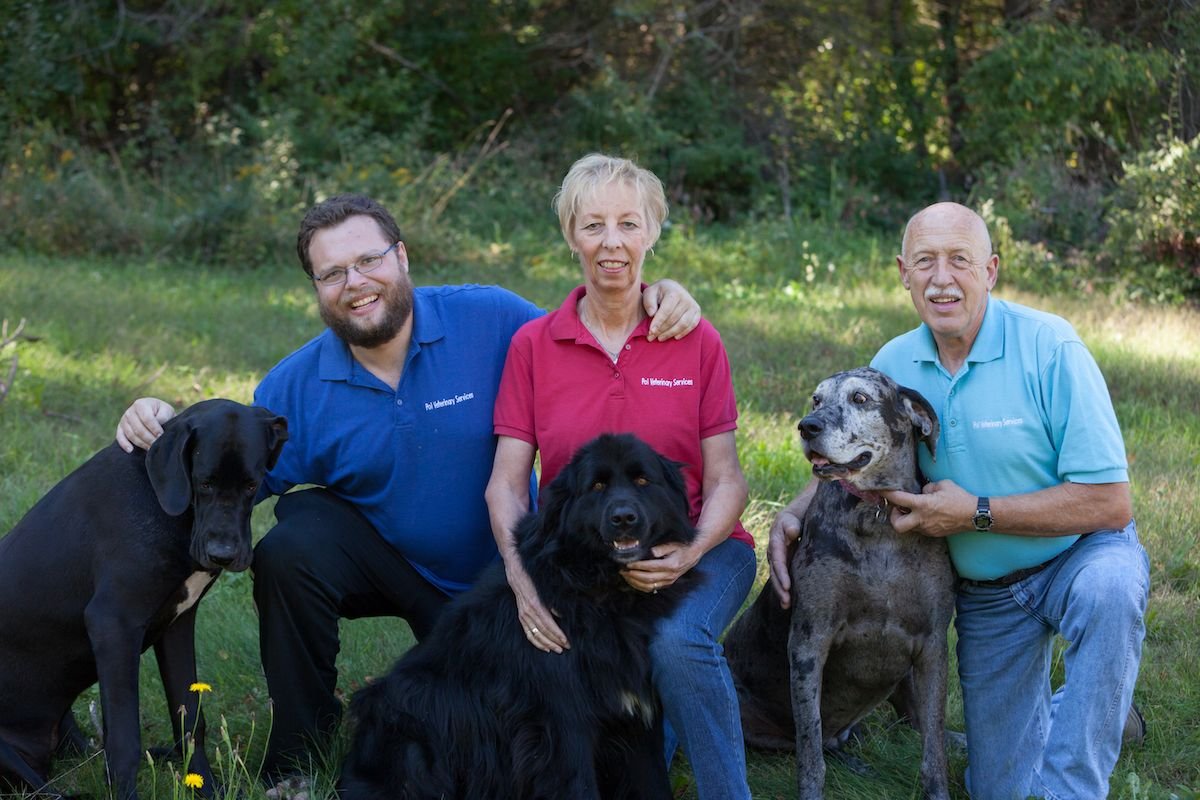
That connection to animals goes back to the very beginning for Dr. Pol. According to the family’s official biography, he was born and raised in the Netherlands on a dairy farm, growing up around cows, sheep, pigs, chickens, geese, turkeys, rabbits, dogs and Friesian horses before eventually building his veterinary career in Michigan. He and Diane Pol opened Pol Veterinary Services in 1981 out of their garage, and the practice became the center of the long-running TV series that introduced millions of viewers to the family’s animal-filled life.

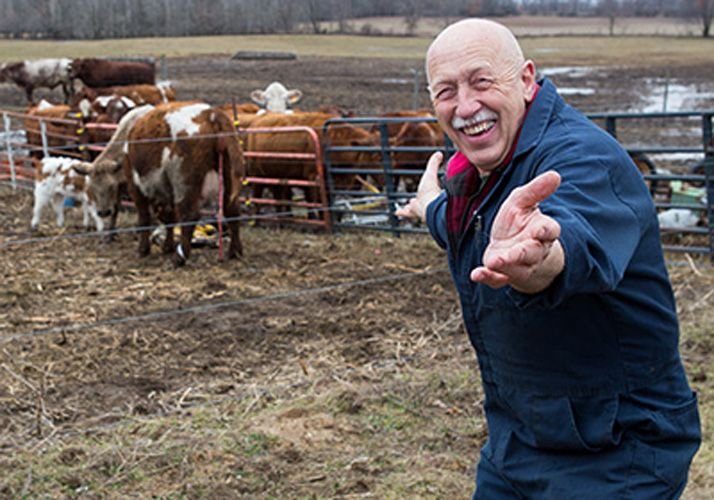
That life expanded in a big way with The Incredible Pol Farm, the family’s spinoff centered on transforming 350 acres of undeveloped land into a functioning family farm. Official descriptions of the show make clear that the project was never just a scenic backdrop. It was a serious multigenerational effort, with Dr. Pol, Charles, Beth and the rest of the family working to build fences, prepare pasture, bring in animals and create the kind of farm life that Charles said he wanted his children to experience for themselves.

The animals tied to the Pol farm are a mix of practical livestock and memorable family favorites. Official farm and family pages highlight sheep, cows and bees as major parts of the newer farm story, with episode and podcast descriptions also referencing Marino sheep, lambing season and the family’s hive struggles through winter. Beyond that, the Pols’ own “Furry Friends” page introduces fans to a broader menagerie that includes Nono the goat, chickens, horses Anneke and Johansa, emus, peafowl and Tater, the clinic’s three-legged cat. In other words, the Pol farm is not centered on one or two animals. It is a busy, layered animal world, just like viewers would expect from the Pol family.

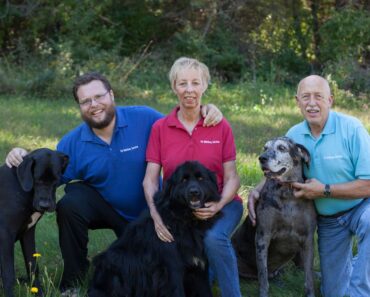
Still, the dogs have always had a special place in that universe. On the official pets page, Athena is described as the eldest of the Danes, while Killian is lovingly called the “shadow,” the dog who rarely left Dr. Pol’s side. The page also names other familiar dogs in the family circle, including Luna, Atlas, Donar and Annie. Together, they helped shape the warm, lived-in feeling that made the Pol household feel like more than just a TV setting. It felt like a real home, full of large personalities, muddy paws and the kind of bonds that viewers instantly recognize.

That is why Charles Pol’s tribute to Athena hit so hard. In a message shared through the official Dr. Pol social channels, Charles said Athena had been his constant companion for ten years and made clear that she was tied to some of the biggest chapters of his life. He described her as the smartest dog he had ever known and reflected on how she had been there as he grew into marriage and fatherhood. Even more moving, he said she had given him strength during seasons of loneliness and loss, making it clear that Athena was never just another family pet. She was part of his emotional foundation, and Charles admitted he did not believe he would ever have another dog quite like her.

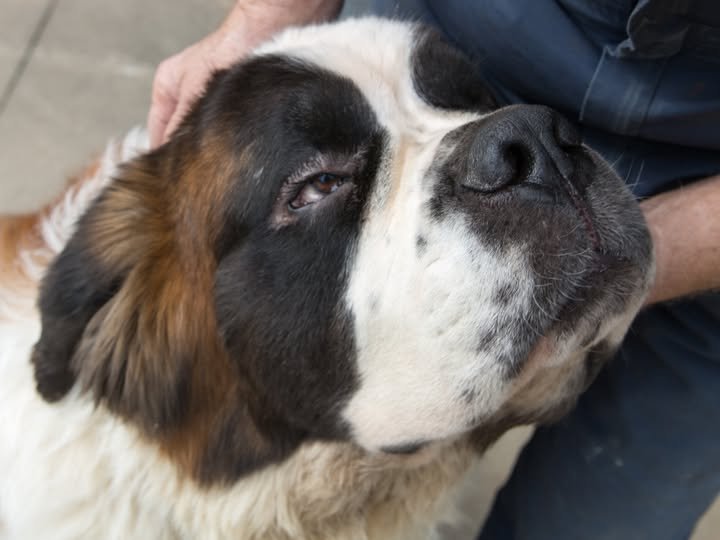
The family has also faced heartbreak over Killian, the beloved St. Bernard so many fans associated with Dr. Pol himself. In an official post shared on the family’s social accounts, the Pols announced the recent passing of Killian and said he had lived a wonderful 11 years. The family also noted that the photo they shared was taken in 2016, the year they rescued him, while filming Season 6. That detail adds even more weight to the loss because Killian was not just a longtime pet, but a rescue who became part of the family’s public and private life for years afterward. Dr. Pol had previously said the family’s Saint Bernard came into their lives through one of the clinic’s animal-control cases, making Killian’s story feel especially fitting for a veterinarian whose entire career has revolved around helping animals in need.

What makes the story of Dr. Pol’s farm so compelling is not only the scale of the project or the variety of animals on the land. It is the fact that behind the sheep pens, hay fields and beehives is a family that clearly forms deep attachments to the animals in its care. Athena was Charles’s once-in-a-lifetime companion. Killian was Dr. Pol’s loyal shadow and a rescued St. Bernard who became part of the family’s identity. So while fans may first think of the Pol farm in terms of livestock, tractors and rural adventure, the deeper truth is much more personal: this is a family whose happiest memories, and some of its hardest goodbyes, have been shaped by the animals they loved most.

What happened to Diane Pol from “The Incredible Dr. Pol”?

The story of Dr. Jan Pol’s family is one of hard work, partnership, and long-term consistency. Long before television fame, Jan Pol grew up on a dairy farm in the Netherlands, studied veterinary medicine at Utrecht University, and later built a life in Michigan with Diane Pol. The couple married in 1967, and after years of early career work, they opened their own practice—Pol Veterinary Services—in 1981, starting out of their garage. That family-first foundation is still the core of the Pol brand today.

What made the Pol family stand out was not flashy production—it was routine, rural reality. Their clinic handled real farm calls, real emergencies, and real relationships with local pet owners and livestock families. On the official family bio, Dr. Pol is described as doing long, demanding days in the field and at the clinic, and Diane is presented as the steady operational force as office manager. Over time, that mix of practical vet work and family teamwork turned into a recognizable identity that viewers connected with.

Their own site frames the series as Nat Geo WILD’s decade-long flagship success, and credits the show’s growth to the authenticity of the clinic and the personalities around Dr. Pol. Whether people tuned in for animal medicine, farm life, or family chemistry, the appeal remained consistent: viewers felt they were watching people who worked first and performed second. That tone helped the franchise stand apart in a crowded reality-TV landscape.

The flagship series, The Incredible Dr. Pol, became the family’s television backbone. ABC’s official show page describes the format as a fast-moving mix of clinic cases and urgent farm visits, and lists Season 24 episodes that aired in early 2024. The same listings show how deeply family life is woven into the format—from medical emergencies and weather chaos to milestone moments at home.

A major marker of the franchise came with The Incredible Dr. Pol: The Grand Finale, described by National Geographic as a look back at highlights from the 24-season run, with Jan, Diane, and Charles reflecting together. That “memory lane” framing matters because it positions the show less as a sudden ending and more as a legacy chapter after years of sustained audience loyalty.

At the heart of the franchise is the Pol family unit. Dr. Pol and Diane have built both a marriage and a business partnership across decades. The official family page emphasizes Diane’s role not just as spouse, but as a working pillar of clinic operations. Their son Charles became a key bridge between family life and television: after film school and entertainment-industry roles, he returned to Michigan and became co-creator/executive producer within the Dr. Pol franchise.

Charles’ wife, Beth, and their children are now part of the public-facing “next generation” storyline. The family’s more recent content highlights multi-generational collaboration, with Charles and Beth taking a visible role in expanding the on-screen universe from veterinary care into farm-building and lifestyle storytelling. That shift keeps the franchise family-centered while also evolving its format for newer audiences.

For many fans, The Incredible Dr. Pol has always felt like nonstop action: urgent farm calls, difficult procedures, and Dr. Jan Pol working at full speed no matter the weather or the hour. But behind that on-screen toughness, the Pol family has also faced genuine health setbacks and personal heartbreak. Looking at publicly available updates, the most accurate picture is this: the family has gone through real crises over the years, yet their most recent chapter appears to be more about resilience, reflection, and moving forward than a newly announced major family medical emergency.

One of the most significant health-related moments involved Diane Pol. In the official episode listing for “Beauty & the Bees,” the show notes Diane was out for back surgery while the clinic dealt with a packed schedule. That detail stood out because Diane has long been central to the family’s daily structure and clinic operations. Her absence, even temporarily, showed how much pressure the household and veterinary team carry when one key person is sidelined.

Dr. Jan Pol also experienced his own medical interruption. Apple TV’s listing for “Paws for Concern” says it was “Dr. Pol’s turn to be a patient,” describing his trip for ankle surgery. Another episode description on ABC adds that “Doc is recovering from ankle surgery,” confirming that recovery became part of the show’s timeline. For someone known for physically demanding farm work and long days on his feet, ankle surgery was more than a minor inconvenience; it directly affected pace, mobility, and routine at a busy rural practice.

There were also on-screen emergency scares connected to the family’s hands-on work environment. In ABC’s season listings, one episode is explicitly titled “It’s Charles, he’s hurt!”, with the description indicating a farm call that turns into an emergency involving a team member. While short episode summaries do not always provide complete long-term outcomes, they do reflect how quickly routine animal work can become risky for the people doing it.

Beyond physical health events, the most painful family crisis was emotional. The obituary for Adam James Butch—Dr. Pol’s grandson—states that he died at age 23 on September 18, 2019, and identifies his close ties to the family. For longtime viewers, this was a devastating moment that changed how many fans understood the family behind the show. Health crises are not always surgeries or diagnoses; sometimes the deepest wounds are grief and loss that linger for years.

As for recent updates, public descriptions from the franchise focus on transition. Official program descriptions for The Incredible Dr. Pol: The Grand Finale describe a retrospective where Dr. Pol, Diane, and Charles revisit the highs and lows of an “incredible 24-season series,” including lifesaving moments and family milestones. That framing points to legacy and closure, not a newly reported collapse in family health.

At the same time, the family remains publicly active. Dr. Pol’s official site still presents him as a working veterinary figure and keeps family-centered projects visible. A Dr. Pol site post and a PEOPLE feature both describe The Incredible Pol Farm as a multigenerational project and note its January 6, 2024 premiere, with streaming availability on Disney+ and Hulu. In other words, the public-facing updates emphasize ongoing work, family collaboration, and a new phase after the flagship show’s finale.

So if you’re asking for the clearest “family health crisis + recent update” summary: yes, the Pol family has faced serious strain—Diane’s back surgery, Dr. Pol’s ankle surgery and recovery, on-the-job injury scares, and profound bereavement. But based on the latest official/public material, the current outlook appears relatively stable and forward-looking. The story now is less about a newly disclosed major diagnosis and more about endurance, legacy, and rebuilding after hard years.

Who is Dr. Nicole Arcy’s Sister?

Dr. Nicole Arcy became familiar to viewers through The Incredible Dr. Pol, where the work is fast-paced, unpredictable, and very public. When the show’s official social channels introduced her as a “new face” at Pol Vet, that attention naturally spilled over into interest about her life off-camera—especially her family.

One of the most straightforward public bios for Nicole appears on Clare Animal Hospital’s website. It states she graduated in 2018 from the University of Missouri, earning both a Doctor of Veterinary Medicine (DVM) and a Master of Public Health (MPH). That same profile also mentions a few personal interests she’s openly shared—hiking, gardening, and photography—giving fans a small glimpse of who she is outside the clinic.

On TV and in promotional material, her work is shown in a mixed-practice environment connected to Pol Veterinary Services, which fits the show’s focus on a wide range of animals and real-world calls.

When it comes to children, there’s one detail that is directly supported by a professional bio: the Clare Animal Hospital profile describes Nicole as “a proud new mom” to her son, Noah. That’s the most concrete, verifiable statement about her being a parent that appears in a primary-style public source.

Her social posts line up with that, too. For example, she has shared family-style moments that mention Noah by name, reinforcing that she does occasionally post about motherhood—without turning her child into a constant public feature.

This is where online bios often get sloppy, so the clean, factual version is simple: in the most direct professional bio available (Clare Animal Hospital), Nicole’s son is mentioned, but a spouse is not named or identified.

There are secondary biography-style sites that speculate or suggest she has a husband, but those writeups don’t provide the kind of primary confirmation that lets you responsibly publish a spouse’s identity as fact. If your goal is accuracy, the safest claim you can make is that Nicole keeps her romantic life private in the sources that are easiest to verify.

Nicole has publicly acknowledged having a sister, and this part is supported by her own posts. Her sister’s name is Amanda Arcy, and she is also a DVM just like Nicole.

In one widely shared post on X, Nicole wrote “Sister swap” and tagged “@amanda_arcy,” joking about whether people could tell them apart. That confirms both that she has a sister and that her sister’s name is shared publicly in that context as Amanda Arcy.

In another post, Nicole shared a picture of the dogs that helped get her through vet school and mentioned “my sister” directly, reinforcing that her sibling relationship is something she occasionally references—just not in a deeply detailed, documentary way.

What isn’t publicly supported in reliable sources is a full profile of her sister’s private household—like a confirmed husband’s name or confirmed children—so it’s better not to state those as facts if they can’t be backed up cleanly.

The overall pattern: public about work, selective about family

Put together, the public record paints a consistent picture. Nicole shares enough to feel real—her education, her veterinary work, that she’s a mom to Noah, and that she has a sister she’s proud of—but she does not appear to publish detailed identifying information about a spouse or extended-family household in the most verifiable sources

Dr. Emily Thomas Vet Shares Heartbreaking Update About Moving Again

Emily Thomas grew up in Georgia and, by all accounts, never imagined she’d one day become a fan-favorite rural vet on national television. After completing her veterinary training at the University of Georgia College of Veterinary Medicine, she entered mixed-animal practice, developing the large-animal skills that would later make her stand out on TV. Public records and show bios place her graduation from UGA in 2010, which aligns with her early career timeline before moving north.

In her own writing, Emily describes those first post-vet-school years as formative and, at times, grueling. She worked in mixed-animal practice in the South and has candidly shared that one early job came with a “difficult boss,” sending her back to the job market while she and her family faced a pending move out of a rental home. That honest snapshot matters: it shows a young clinician already balancing medicine, motherhood, and the realities of entry-level vet work — long hours, modest pay, and limited control over scheduling — while refusing to settle for a poor fit.

The unexpected call: how (and when) she joined Dr. Pol

The turning point reads like something out of a script — except it came straight from Emily’s blog.
A colleague spotted a posting for Pol Veterinary Services in Weidman, Michigan, and urged her to apply.
Emily sent her résumé “almost as a favor,” praying for direction and fully convinced Michigan wasn’t in the cards.
The next day, while driving home from visiting family in Colorado, her phone rang. It was Dr. Jan Pol’s office, inviting her to interview. She took it as a sign — and said yes.
dremilythomasvet.com
From there, the timeline tightens: Emily notes that she and her family moved to Michigan in mid-February 2014, arriving during a historically harsh winter. Within the show’s chronology, she began appearing in episodes that aired in early 2015 (Season 6), where on-screen summaries explicitly introduce her as “joining the Pol Clinic.”

Work at Pol Veterinary Services — and why viewers connected

On camera, Emily stepped into exactly the kind of medicine that fit her training: farm calls, emergency calvings, equine work, and the endless variety of a rural mixed practice — while also handling small-animal cases back at the clinic. Fans noticed the same things her colleagues did: calm under pressure, quick, decisive hands in the field, and a quiet empathy with cli
ents. Those traits — layered over long Michigan days, brutal winters, and the show’s fly-on-the-wall camera style — made her instantly memorable.
Her prominence is easy to trace in the episode archives and fan discourse. Mid-run episode descriptions highlight “Dr. Emily” by name (including a 2018 episode where her own early labor became part of a storyline), an uncommon visibility for non-family associates on the series and a signal of real audience attachment.

The hard part: pressure, filming, and the decision to leave

As her popularity grew, so did the workload. Rural mixed practice is physically demanding on its own; add TV production layers and the challenges compound. Emily has been frank that the hectic pace and filming environment were difficult, and that she needed a healthier balance for herself and her family. She frames the decision through a lens of faith and boundaries: you have to believe it will work out — and that even if it doesn’t, you’ll be okay. In a later reflection, she writes that being on TV brought financial stability she might not have achieved otherwise, but when it was time, she took “another leap of faith” and stepped away.

While exact episode-by-episode timing is best reconstructed from guides, the consensus — including show listings and fan documentation — places her departure in 2019, near the end of Season 15 broadcast. The show’s official channels and fan pages marked the goodbye at the time, underscoring how central she’d become to the clinic’s on-screen rhythm.

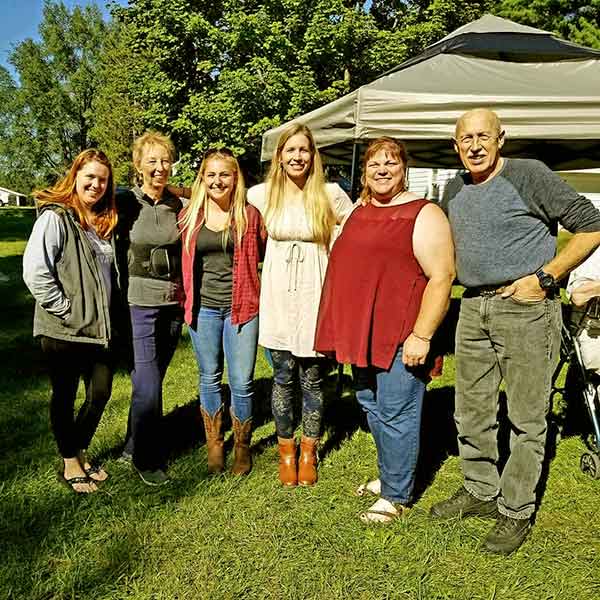
Image of Dr. Pol's cast, Dr. Michele Sharkey, Diane Pol, Nicole Arcy, Dr. Emily Thomas, Dr. Brenda, and Dr. Pol, from left to right
Image of Dr. Pol’s cast, Dr. Michele Sharkey, Diane Pol, Nicole Arcy, Dr. Emily Thomas, Dr. Brenda, and Dr. Pol, from left to right

After Michigan, Emily and her husband, Tony, chose Virginia very deliberately. As she puts it, they wanted mountains and coastline without “nine months of stifling heat like Georgia” or “nine months of dark depressing cold like Michigan.” She blanketed a handful of clinics with résumés, scheduled multiple interviews over a single family trip, and landed her next post by the end of that weekend.

By early 2020, the Thomases were settled in Front Royal, Virginia, where Emily appears on the roster for Warren County Veterinary Clinic — a small-animal practice formed from the merger of Warren County and Cedarville Veterinary Clinics. The clinic’s team page and social updates have featured her by name, and a family blog entry from the same period confirms the shift to small-animal-only medicine (and the fact that she misses the adrenaline of calvings and foalings)


Where is Dr. Emily Vet Moving?

Just a few weeks ago, Dr. Emily Thomas—the beloved veterinarian best known from The Incredible Dr. Pol—sparked excitement among her followers with a cryptic social-media post that hinted at another major life change. Sharing a photo of packed moving pods, she wrote, “Here we go again on our own… Well, along with the children. And six cats, two dogs, and an axolotl.” She ended the post with hashtags #moving, #pods, and #bittersweet, leaving fans speculating about what might be next for her family.


View this post on Instagram


A post shared by Emily K. Thomas (@drthomcat)

Now, the mystery has been solved — and Emily is finally giving fans a clearer look at what this new chapter really means. In a recent Instagram update, she revealed that she’s now working at Laurel Veterinary Clinic as an Associate Veterinarian, and she isn’t making the move alone. Emily shared that she’s taking on this role alongside her husband, Tony, marking a meaningful fresh start for the couple as they settle into their next phase.


View this post on Instagram


A post shared by Emily K. Thomas (@drthomcat)

After leaving the Virginia clinic where she practiced for several years, this new position appears to be more than just a change of scenery — it’s a career step forward, a family decision, and a chance to build something new together while continuing the work she loves most: caring for animals and staying connected with the community that’s been cheering her on.

The reason Dr. Pol was canceled has been revealed: people petitioned for its cancellation.

Dr. Jan Pol, a Dutch-American veterinarian practicing in rural Michigan, has garnered widespread recognition as the star of the reality television series “The Incredible Dr. Pol”. His decades-long career and the public exposure from his show have positioned him as a prominent figure in the veterinary field, known for his practical, often characterized as “old-school,” approach to animal care. While enjoying considerable popularity with a broad audience, Dr. Pol has also faced a spectrum of controversies and criticisms throughout his career. This report aims to provide a detailed examination of these issues, encompassing concerns raised by the veterinary community, legal actions taken against him, and public opposition to certain practices, notably cat declawing. The analysis will delve into the specifics of these controversies, their implications, and the multifaceted perspectives surrounding Dr. Pol’s professional conduct.   

Criticism from the Veterinary Community

A significant aspect of the discourse surrounding Dr. Pol involves criticism from within the veterinary community. Many professionals in the field contend that his methods, as portrayed on his reality show, frequently deviate from contemporary standards of veterinary practice. These concerns span several critical areas of veterinary medicine. One primary point of contention is Dr. Pol’s apparent laxity regarding aseptic techniques. Instances depicted on the show have revealed a lack of consistent use of proper surgical attire, including gloves, masks, and gowns, during surgical procedures.For example, state regulators investigated complaints originating from episodes where Dr. Pol was observed not wearing gloves or appropriate attire during surgery. This issue has been serious enough to warrant disciplinary action from the Michigan Board of Veterinary Medicine.   

Another area of concern involves the administration of anesthesia and pain relief. Fellow veterinarians have voiced apprehension over instances where procedures, particularly on large animals, appear to be performed with minimal or no anesthesia or pain medication. Critics point to examples such as neutering calves without apparent anesthesia and suturing without administering pain medication as evidence of practices falling short of current standards. Furthermore, questions have been raised about Dr. Pol’s adherence to established surgical protocols, including proper intubation and anesthesia monitoring during procedures. A specific case involving an ovariohysterectomy drew criticism from a viewer, highlighting concerns about the overall surgical technique employed.   

A broader criticism leveled against Dr. Pol and his show is the perception that they glorify outdated veterinary practices.Many veterinarians worry that the show misleads the general public into believing that the depicted methods are representative of acceptable veterinary care, potentially undermining the profession’s efforts to advance medical standards. This concern is underscored by comments from veterinarians who describe Dr. Pol’s approach as “atrocious,” “appalling,” and “embarrassing,” fearing that it negatively portrays the profession’s commitment to high standards. These criticisms led to at least one petition, initiated by a fellow veterinarian, calling for the cancellation of Dr. Pol’s show due to concerns about the promotion of what they considered substandard medicine.   

Image of Dr. Pol's cast, Dr. Michele Sharkey, Diane Pol, Nicole Arcy, Dr. Emily Thomas, Dr. Brenda, and Dr. Pol, from left to right
Image of Dr. Pol’s cast, Dr. Michele Sharkey, Diane Pol, Nicole Arcy, Dr. Emily Thomas, Dr. Brenda, and Dr. Pol, from left to right

Despite these criticisms, it is important to note that Dr. Pol has a significant base of support. Some argue that he provides essential and affordable veterinary care to a rural community where financial constraints are a reality for many animal owners. Many clients express satisfaction with his services, often citing his dedication to animals and his willingness to work within their financial means. This perspective suggests a potential divergence in what constitutes acceptable practice, possibly influenced by the unique challenges and economic realities of rural veterinary medicine.

Lawsuits and Disciplinary Actions Against Dr. Pol

Dr. Pol’s career has been marked by several legal and disciplinary actions, often stemming from complaints related to his veterinary practices as depicted on his television show. A significant incident occurred in April 2010, involving a case of stillborn puppies. The Michigan Board of Veterinary Medicine investigated allegations of misreading a canine ultrasound, providing inappropriate treatment, and failing to maintain adequate records. In 2012, the board placed Dr. Pol on probation and levied a fine. Dr. Pol maintained that these disciplinary actions were primarily due to minor record-keeping infractions.

Another prominent case involved an incident in May 2011, concerning the treatment of a Boston terrier named Mr. Pigglesworth, who had been struck by a car. A veterinarian from Kentucky, after viewing an episode of the show featuring this case, filed a complaint with the state of Michigan. The allegations included negligence and incompetence, specifically citing Dr. Pol’s failure to wear proper surgical attire and provide intravenous therapy, among other concerns. The Michigan Board of Veterinary Medicine initially disciplined Dr. Pol in response to this complaint. However, in 2016, the Michigan Court of Appeals overturned this disciplinary action, stating that the evidence presented did not establish a clear violation of the standard of care.

More recently, complaints were filed in relation to a 2013 ovariohysterectomy performed on a dog and the treatment of a wounded horse in 2015. These complaints again centered on allegations of negligence, including the failure to intubate the dog during surgery and the lack of proper surgical attire while treating the horse. In 2018, the Michigan Court of Appeals affirmed an order from the state Department of Licensing and Regulatory Affairs (LARA) placing Dr. Pol on probation for negligence in these instances.

These legal battles frequently involved scrutiny of Dr. Pol’s practices as they were broadcast on his reality television show. The fact that viewers, including fellow veterinarians, initiated complaints based on what they observed on air highlights the unique challenges and accountability that come with publicizing medical practices through reality television. In one instance, Dr. Pol accused a fellow veterinarian, who had started a petition against him, of libel, further illustrating the contentious environment surrounding his professional conduct.

The legal and disciplinary history of Dr. Pol reveals a pattern of conflict with regulatory bodies and segments of the veterinary community regarding his adherence to established standards of care. While some decisions were reversed upon appeal, others were upheld, indicating a lack of universal agreement on the appropriateness of his methods. The argument that Dr. Pol provides affordable care, particularly in a rural setting, often surfaces in his defense.

Controversy Regarding Cat Declawing

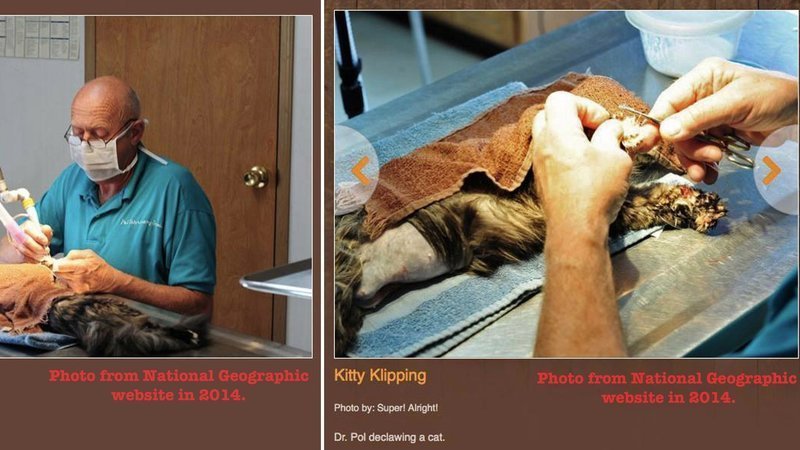
The practice of cat declawing has become a significant ethical debate within the veterinary profession, and Dr. Pol’s stance on this issue has drawn considerable criticism. Evidence suggests that Dr. Pol’s veterinary service continues to perform declawing procedures.

This is despite a growing consensus within the veterinary community and among animal welfare organizations against elective declawing. Opponents of declawing emphasize that it is not merely the removal of a cat’s nails but rather an amputation of the last bone in each toe.

This surgical procedure carries the potential for both short-term and long-term complications, including pain, nerve damage, and behavioral issues such as litter box aversion and increased aggression. Furthermore, declawing can negatively impact a cat’s natural behaviors, affecting their balance, ability to climb, and defense mechanisms. The ethical concerns surrounding declawing often center on the fact that it is typically performed for the convenience of the owner rather than for any medical benefit to the cat.

In response to Dr. Pol’s continued practice of declawing, numerous petitions and campaigns have been initiated to urge him to cease this practice. These efforts reflect the strong public sentiment against declawing and the desire to see veterinarians prioritize animal welfare.

Dr. Eden Myers’ petition on change.org, which also called for the cancellation of his show, specifically cited concerns about substandard medicine, which implicitly includes the controversial practice of declawing. It is important to note that humane alternatives to declawing exist, such as providing scratching posts, regular nail trimming, and the use of nail caps. The ongoing practice of declawing by Dr. Pol, in the face of mounting opposition and readily available alternatives, contributes significantly to the controversies surrounding his career.

Other Notable Controversies

Beyond the criticisms of his veterinary practices and the declawing debate, Dr. Pol has been involved in other notable controversies. One such instance involves the tragic “Dr. Pol Vet Kills Husband” incident. While details remain somewhat unclear, reports indicate a domestic dispute between Dr. Pol and his husband that resulted in a fatal confrontation. This deeply personal tragedy has raised ethical considerations within the veterinary community regarding professional conduct and the impact of personal life on public perception. The incident led to legal implications for Dr. Pol and sparked a range of public reactions, highlighting the complexities of separating a public figure’s professional persona from their private life.

Another controversy arose in 2013 when Dr. Pol testified before the Michigan House of Representatives in favor of a bill that aimed to prohibit authorities from investigating reports of misconduct or allegations based on information obtained from viewing a reality program. This action was viewed by some as an attempt to limit scrutiny of his practices, particularly those showcased on his television show. Critics argued that such a bill could hinder accountability within the veterinary profession and undermine efforts to ensure consistent standards of care.

Dr. Pol’s Ultimate Guide on how to Remove Dog Hair from Clothes and Cars Effectively: Easy DIY

The unwavering loyalty, playful antics, and unconditional affection of a dog enrich our lives in countless ways. As devoted pet parents, we gladly welcome them into our homes and hearts. However, this beautiful companionship often comes with a hairy truth: shedding. While a natural occurrence for our canine friends, the persistent presence of dog hair on our favorite clothes and embedded in our car upholstery can be a source of daily frustration. For owners of certain breeds, the sheer volume of hair can feel like a constant battle against a furry tide. This article aims to provide a comprehensive understanding of why dogs shed and, more importantly, offers effective, practical strategies to minimize shedding and tackle the inevitable hair that finds its way onto our clothes and into our vehicles. Whether you’re dealing with a light dusting or a veritable blizzard of fur, this guide will equip you with the knowledge and techniques to manage dog hair and maintain a cleaner, more comfortable environment. Let’s delve into the world of shedding and discover how to live harmoniously with our beloved, albeit furry, companions.

Why the Fluff? Understanding Dog Shedding

Shedding, also known as molting, is a normal and necessary physiological process that all dogs undergo. It serves several vital functions, including regulating body temperature, eliminating old or damaged hair, and promoting the growth of a new, healthier coat. This occurs as dogs lose dead or damaged fur to make space for new, healthy fur to grow. However, the amount and frequency of shedding can vary dramatically depending on a multitude of factors.   

One of the primary determinants of shedding is a dog’s breed. Some breeds, particularly those with longer or silky coats, tend to shed more than those with short or coarse fur. Certain breeds with double coats, such as Golden Retrievers, often experience year-round shedding due to the density of their fur. In contrast, single-coated breeds like Dachshunds, Poodles, and Border Terriers may appear to shed very little. It’s important to recognize that while long-haired breeds might produce more noticeable hair, the quantity shed isn’t always greater than that of some short-haired breeds.   

Seasonal changes also play a significant role in shedding patterns. Most dogs that shed seasonally will do so more heavily in the spring and fall as their coats adapt to temperature fluctuations. As the weather warms up in spring, dogs shed their heavier winter undercoats to make way for lighter summer coats, and the reverse occurs in the fall as they prepare for colder temperatures. Dogs with double coats typically have two major shedding periods during these transitional times. Outdoor dogs often follow a more pronounced seasonal shedding cycle, typically starting to shed their winter coat around March and finishing by June, then shedding their summer coat from September to November.

A dog’s health condition is another critical factor influencing shedding. Excessive shedding or a noticeable change in the coat’s appearance (such as becoming dull, dry, or brittle) can be indicative of an underlying medical issue that warrants veterinary attention. Various health problems can lead to increased hair loss, including parasite infestations like fleas, ticks, and mites , allergies to food or environmental triggers , hormonal imbalances, infections, and even more serious conditions.   

Diet has a profound impact on a dog’s coat health and shedding. An imbalanced or poor-quality diet that lacks essential nutrients, particularly fats and proteins including omega-3 fatty acids, can result in increased shedding and a lackluster coat. In fact, a poor diet is often cited as a primary reason for excessive shedding in dogs. Even dehydration can contribute to this issue.   

Stress can also trigger increased shedding in dogs. Changes in routine, the introduction of a new family member, or stressful events like visits to the veterinarian can all contribute to temporary increases in hair loss.   

The age of a dog can also affect shedding. While puppies typically begin to shed their soft puppy coat around four to six months of age , senior dogs may experience increased shedding as their skin and coat naturally weaken over time.   

Finally, the environment in which a dog lives can influence their shedding patterns. Indoor dogs, exposed to consistent artificial heating and cooling, may shed more evenly throughout the year compared to outdoor dogs who experience more distinct seasonal changes in coat thickness. Even the amount of daylight a dog is exposed to can play a role in their shedding cycle.

Understanding these various factors is the first step in effectively managing dog hair in our lives. Recognizing that shedding is a complex process influenced by multiple elements allows us to adopt a more informed and strategic approach to minimizing its impact.

Shed Less, Love More: Strategies to Minimize Dog Hair

While shedding is an inherent part of dog ownership, there are numerous effective strategies that pet owners can employ to minimize the amount of hair that ends up on their clothes and in their cars. A proactive approach, focusing on both the dog’s well-being and consistent routines, can make a significant difference.

Grooming is Key

Regular grooming is arguably the most impactful way to control dog shedding.   

Regular Brushing: Consistent brushing helps to loosen and remove dead hair from your dog’s coat before it has a chance to fall out onto your belongings. Aim to brush your dog several times a week, ideally for 5 to 10 minutes each session.During periods of heavy shedding, daily brushing may be necessary.   


Choosing the Right Brush: The type of brush you use should be tailored to your dog’s specific coat type. For short-haired dogs, a bristle brush, a rubber curry comb, or a grooming mitt can effectively remove loose fur and dirt. Rubber brushes, like the popular Kong ZoomGroom, are also excellent for massaging the skin and attracting loose hair in short-coated breeds. Long-haired dogs benefit from slicker brushes, pin brushes, and long-bristle brushes that can reach through their longer fur. For dogs with double coats, using an undercoat rake a few times a week is crucial for removing the dense underlayer that contributes significantly to shedding. Slicker brushes and bristle brushes can then be used to address the outer coat. For curly-haired dogs, wire-pin brushes and soft slicker brushes are often recommended to help detangle and remove loose hair without disrupting their curl pattern.   

Bathing Regularly: Bathing your dog helps to loosen and remove dead hair that might otherwise end up on your furniture and clothing. A general guideline is to bathe your dog every 4 to 6 weeks, but this can be adjusted based on their breed, activity level, and coat condition. When bathing, use a shampoo specifically formulated for dogs, and consider using a de-shedding shampoo and conditioner, which often contain ingredients like moisturizers and omega-3 fatty acids to hydrate the skin and further release dead hair. Remember to brush your dog after each bath, as this can help remove even more loose hair.   

Professional Grooming: Regular visits to a professional groomer can be incredibly beneficial, particularly during peak shedding seasons. Groomers possess specialized tools and expertise in techniques like de-shedding treatments, which can significantly reduce the amount of hair your dog leaves behind.   

Nutrition Matters

A healthy coat starts from the inside out, and your dog’s diet plays a crucial role in the health and shedding of their fur.   

Balanced Diet: Ensure you are feeding your dog a high-quality, balanced dog food that meets their specific nutritional requirements. A poor diet is a significant contributor to excessive shedding. Look for dog foods that list real meat as a primary ingredient and avoid those with excessive fillers.   

Omega-3 and Omega-6 Fatty Acids: These essential fatty acids are vital for maintaining healthy skin and a glossy coat, reducing inflammation, and ultimately minimizing shedding. Good sources of these beneficial fats include fish oil and flaxseed oil. Maintaining a proper balance between omega-6 and omega-3 fatty acids is also important.   

Protein: Since hair is primarily composed of protein, ensuring your dog’s diet is rich in high-quality protein is essential for a healthy coat and can help reduce shedding.   

Other Essential Nutrients: Various vitamins and minerals also contribute to coat health. Biotin, for example, is known to support healthy skin and coat , as are Vitamin E and Vitamin A. Minerals like Zinc and Copper also play vital roles in maintaining a healthy coat.   

Supplements: While a balanced diet should provide most necessary nutrients, supplements like omega-3 fatty acids and biotin can be beneficial for some dogs. However, it is always best to consult with your veterinarian before introducing any new supplements to your dog’s diet.  

Healthy Dog, Less Shed

A dog’s overall health and well-being significantly impact their shedding.

Managing Allergies: Both food and environmental allergies can manifest as skin irritation, leading to excessive scratching and subsequent hair loss. Consulting with your veterinarian is crucial for diagnosing the specific allergens and developing a management plan, which may include elimination diets for food allergies and strategies to reduce exposure to environmental allergens.   

Parasite Control: External parasites such as fleas, ticks, and mites can cause intense itching and irritation, leading to excessive scratching and hair loss. Maintaining a consistent regimen of flea and tick preventatives is essential for preventing infestations and the associated shedding. 

Reducing Stress: Stress and anxiety can also contribute to increased shedding in dogs. Providing a stable and predictable daily routine, ensuring adequate exercise and mental stimulation, and creating a calm and secure environment can help reduce stress levels and, consequently, shedding.  

Regular Veterinary Check-ups: Routine visits to your veterinarian are vital for maintaining your dog’s overall health and can help identify and address any underlying medical conditions that might be causing excessive shedding.  

By implementing these strategies, dog owners can significantly reduce the amount of hair their furry companions shed, leading to a cleaner home and a more enjoyable living environment for everyone.

Hair-Free Threads: Removing Dog Hair from Clothes – Multiple Methods

Despite our best efforts to minimize shedding, dog hair inevitably finds its way onto our clothes. Fortunately, there are numerous effective methods to remove this unwanted fur, ranging from quick fixes to more thorough cleaning techniques.

Dry Techniques

These methods are ideal for removing loose dog hair from clothing before washing or for quick touch-ups.

Using Lint Rollers: A classic and convenient tool, lint rollers with adhesive sheets are effective for picking up loose pet hair from clothing. Simply roll the sticky surface over the affected areas. For a more sustainable option, consider reusable lint rollers made of silicone that can be washed and reused. Keeping a lint roller by the door can be a great habit for a quick de-furring before leaving the house.

The Magic of Rubber Gloves: Damp or dry rubber gloves can work wonders for removing pet hair from clothes. Put on a pair of clean rubber gloves and run your hands over the fabric. The friction and static electricity will cause the hair to lift and cling to the gloves or gather into clumps that can be easily picked off. Sweeping your hands in one direction tends to be most effective.  

Specialized Pet Hair Removal Brushes for Clothing: Various brushes are specifically designed to attract and remove pet hair from fabrics. These often feature microfiber or velvet-like pads that effectively grab onto loose hair. When using these brushes, it’s important to brush in the direction indicated by the brush’s design for optimal hair removal.  

Reusable Lint Removers: For an eco-friendlier approach, consider investing in reusable pet hair removers. Silicone tools like the FurZapper can be used on clothing to gently lift hair. Another popular option is the ChomChom Roller, which uses a rolling mechanism to collect hair in a compartment that can be emptied. These reusable options eliminate the need for disposable adhesive sheets.  

Laundry Solutions

For clothes heavily covered in dog hair, incorporating specific techniques during the washing and drying process can be highly effective.

Tips for Washing Clothes with Dog Hair: Before loading your clothes into the washing machine, give them a good shake to dislodge any loose hair. A helpful trick is to pre-dry your clothes in the dryer on a no-heat or low-heat setting for 10 to 20 minutes before washing. This process helps to loosen the pet hair, which will then be caught by the dryer’s lint screen. It’s generally best to wash clothes covered in pet hair separately from other items. Adding about half a cup of white vinegar to the fabric softener compartment or directly into the rinse cycle can also help to relax the fabric fibers and release trapped hair. Avoid overloading your washing machine, as this can prevent the clothes from agitating properly and releasing the hair. For particularly stubborn pet hair, consider using a sanitize cycle on your washing machine if the fabric allows. 

The Role of Dryer Sheets and Dryer Balls: Dryer sheets play a significant role in reducing static cling in your laundry, which in turn helps prevent pet hair from sticking to clothes. As the clothes tumble in the dryer, the reduced static allows the loose hair to be more easily captured by the lint trap. Dryer balls, made of wool or silicone, offer a reusable alternative to dryer sheets. These balls help to agitate the clothes, further loosening hair and improving air circulation for faster drying. Regularly cleaning your dryer’s lint screen after each cycle is crucial for maintaining its effectiveness in trapping pet hair.  

In-Wash Hair Catchers: Several products are available that can be added directly to your washing machine to help catch pet hair during the wash cycle. These include items like FurZappers, which are silicone discs designed to attract and trap hair , and specialized lint balls with textured surfaces that grab onto loose fur. For these products to work effectively, avoid overfilling your washing machine and refrain from using fabric softeners, as they can reduce the effectiveness of these hair catchers.  

By utilizing a combination of these dry and laundry techniques, you can significantly reduce the amount of dog hair clinging to your clothes, keeping your wardrobe looking much cleaner.

Sparkling Clean Rides: Removing Dog Hair from Your Car – Step-by-Step

For many dog owners, their vehicles become another prime location for accumulating pet hair. Removing dog hair from car upholstery and carpets can be a more challenging task due to the embedded nature of the fur. However, with the right approach and tools, it is certainly achievable.

Initial Vacuuming and Preparation

Begin by removing any loose items, such as toys or blankets, from your car. Then, perform a thorough vacuuming of the entire interior, paying close attention to the seats, carpets, floor mats, and any crevices where hair tends to accumulate. If your home vacuum struggles with the task, consider using the more powerful vacuums available at most car washes.Using upholstery-specific attachments, such as brushes and crevice tools, will help to target tight spaces and lift stubborn hair.  

Effective Removal Techniques

After the initial vacuuming, employ these techniques to tackle the remaining dog hair:

Utilizing Rubber Gloves: Just as with clothing, slightly dampen a pair of rubber gloves and wipe them over the car’s upholstery and carpets. The rubber’s texture creates friction and static, causing the hair to gather into clumps that can then be easily picked up or vacuumed away. Remember to sweep your gloved hands in one direction for the best results.

The Power of Lint Rollers: Keep a lint roller in your car for quick touch-ups and to pick up any remaining loose hair after vacuuming. They are particularly useful for smaller areas and for removing surface-level hair.   

Specialized Car Pet Hair Removal Tools:

A variety of tools are specifically designed for removing pet hair from car interiors. Rubber brushes with thick bristles are excellent for loosening embedded hair from upholstery and carpets.Rubber squeegees can be used to gather hair into piles for easier removal. Pet hair removal stones, often made of pumice, can help to scrub away stubborn, deeply embedded hair from carpets, but use them cautiously on delicate fabrics as they can be abrasive. Tools like the Lilly Brush feature a specially designed blade that effectively lifts and gathers pet hair from various surfaces.   


Duct Tape and Other Sticky Solutions: For a budget-friendly option, try wrapping duct tape or packing tape around your hand with the sticky side facing out. Press your hand firmly onto the hair-covered surfaces and then lift it up to collect the fur. Replace the tape as it loses its stickiness.  


Fabric Softener and Water Spray: Mix a few teaspoons of fabric softener with water in a spray bottle. Lightly mist this solution onto your car’s upholstery and carpets, then wipe with a paper towel. The fabric softener helps to loosen the hair, making it easier to vacuum away.   

Cleaning Different Car Surfaces

Upholstery: For fabric car seats, use a combination of the techniques mentioned above. Start with vacuuming, followed by wiping with damp rubber gloves or using a specialized pet hair brush. For any remaining stubborn hair, try a lint roller, the fabric softener spray, or even duct tape.

Carpets and Floor Mats: Car carpets are notorious for trapping dog hair. After vacuuming, use a rubber brush, a squeegee, or a pet hair removal stone to vigorously scrub the carpet fibers and loosen embedded hair. Remove floor mats for easier access and more thorough cleaning.  

Hard Surfaces: Dog hair on hard surfaces like the dashboard, door panels, and center console is generally easier to remove. Simply wipe these areas down with cleaning wipes designed for car interiors.  

Preventing Future Fur Buildup in Your Car

Once you’ve achieved a hair-free car, taking preventative measures can significantly reduce future cleaning efforts.Investing in pet-specific seat covers and cargo liners made from durable, easy-to-clean materials like rubber or synthetic fabric can act as a barrier, protecting your car’s upholstery and making hair removal much simpler. If possible, train your dog to stay in one designated area of the car, such as the backseat or the cargo area, which can help contain the hair. Using a pet crate or restraint can also be a safe and effective way to limit the spread of fur. Make it a habit to thoroughly brush your dog before each car ride to remove loose hair before it even enters your vehicle. Consider using rubberized floor mats instead of carpeted ones, as they are much easier to wipe clean. Finally, some pet owners find that using an anti-static spray on their car’s upholstery can help to prevent dog hair from clinging to the fabric.  

Conclusion: Embracing a Hair-Managed Life with Your Canine Companion

While the presence of dog hair on our clothes and in our cars can sometimes feel like an inescapable aspect of pet ownership, it is indeed a manageable challenge. By understanding the reasons behind shedding and implementing a combination of preventative grooming practices and effective cleaning techniques, dog owners can significantly reduce the amount of hair they encounter. Experimenting with the various methods discussed for both clothing and car interiors will allow you to discover the solutions that best fit your lifestyle, your dog’s specific shedding habits, and your personal preferences. Ultimately, the joy and unconditional love that our canine companions bring into our lives far outweigh the effort required to manage their shedding. With a little consistent effort and the right tools, a hair-managed life alongside your beloved dog is absolutely achievable, allowing you to focus on the countless joys of your furry friendship.


Method Description of Technique Pros Cons
Lint Roller Adhesive sheets or reusable silicone roller. Quick, easy to use for small amounts of hair. Adhesive rollers require refills; silicone rollers may not be as effective on all fabrics.
Rubber Gloves Damp or dry rubber gloves swept over fabric. Inexpensive, readily available, reusable. May not work as well on all fabric types.
Pet Hair Removal Brush Specialized brush with microfiber or velvet pad. Effective at grabbing hair, reusable. May require specific brushing direction.
Reusable Lint Remover (Silicone/Roller) Washable and reusable tools to lift and collect hair. Eco-friendly, cost-effective long-term. May require specific techniques or maintenance.
Pre-Drying in Dryer (No Heat) Tumble dry clothes on no heat before washing. Loosens hair, which is caught in lint trap. Requires a dryer.
Washing with Vinegar Add 1/2 cup white vinegar to rinse cycle. Helps loosen fibers and release hair. May have a slight odor that dissipates.
Dryer Sheets Add to dryer to reduce static. Prevents hair from sticking, helps trap in lint screen. Single-use.
Dryer Balls (Wool/Silicone) Add to dryer to agitate clothes and reduce static. Reusable, can help loosen hair. Silicone balls can be noisy.
In-Wash Hair Catchers Add to washing machine to trap hair. Catches hair during the wash cycle. May not be effective for all types of hair or washing machines.
Method Description of Technique Pros Cons
Vacuuming Use upholstery attachments to vacuum all surfaces. Removes loose hair and debris. May not lift embedded hair effectively.
Rubber Gloves Slightly dampen and wipe over surfaces. Inexpensive, creates static to lift hair. Can be time-consuming for large areas.
Lint Roller Roll over upholstery and carpets. Quick for surface hair removal. Requires many sheets for large areas.
Rubber Brush Use firm strokes to loosen embedded hair. Effective for carpets and upholstery. May require some effort.
Squeegee Drag rubber blade over surfaces to gather hair. Good for collecting hair into piles. May not work well on heavily textured surfaces.
Pet Hair Removal Stone (Pumice) Gently rub over carpets to lift embedded hair. Effective for stubborn hair on carpets. Can damage delicate fabrics if used improperly.
Lilly Brush/Similar Tool Use the blade to scrape and lift hair. Very effective for embedded hair on various surfaces. Requires specific technique.
Duct Tape/Packing Tape Wrap sticky side out and dab at hair. Effective for lifting stubborn hair. Tape loses stickiness quickly.
Fabric Softener and Water Spray Mist lightly and wipe to loosen hair. Helps loosen hair and can leave a fresh scent. May leave residue if too much is used.

Dr. Pol Shares Heartbreaking News About Beloved Dog Killian

Fans of The Incredible Dr. Pol are mourning alongside the Pol family after the recent passing of their loyal Saint Bernard, Killian. Dr. Jan Pol announced the sad news on social media, writing:

“It’s with heavy hearts that we share the recent passing of Killian, our loyal St. Bernard. He lived a wonderful 11 years and was not only a beloved companion to our family, but also captured the hearts of so many who watched The Incredible Dr. Pol.”

Killian joined the Pol family in 2016 as a rescue, right in the middle of filming Season 6 of the popular Nat Geo Wild series. A touching photo shared by Dr. Pol shows Killian resting during a farm visit — a quiet moment that reflects the calm and loving nature fans came to adore.

Though he wasn’t always front and center, Killian became a comforting presence both on-screen and off. Viewers loved seeing glimpses of the gentle giant around the clinic and at home with Dr. Pol and his wife, Diane. His kind eyes and peaceful demeanor made him more than just a family pet — he was part of the show’s heart.

“Killian was truly one special dog,” Dr. Pol added. “And we’ll cherish the memories of him forever. Thank you for loving him along with us.”

Killian’s passing is a tough loss for the Pol family and for fans who felt like they knew him personally. He may be gone, but the joy he brought will always be remembered — through the show, through the photos, and in the hearts of everyone he touched.


View this post on Instagram


A post shared by Dr. Jan Pol (@thedrpol)

Dr. Pol Dog Food Review: What people thinks about Incredible Dr. Pol’s dog fod.

Dr. Pol offers a variety of dog food formulas under the names “Incredi-Pol Favorites” and “Healthy Balance/High Energy”. These lines include both grain-inclusive and grain-free options, featuring different primary protein sources such as beef, chicken, lamb, and salmon.

Dr. Pol Dog Food Key Features and Ingredients:

  • Real Meat First: A significant aspect of Dr. Pol’s dog food is that real meat (beef, chicken, lamb, or salmon) is typically the first ingredient, indicating a higher proportion of animal protein.
  • Limited Ingredient Diets: Some formulas, particularly in the “Healthy Balance” and “High Energy” lines, emphasize limited ingredients, which can be beneficial for dogs with sensitivities or allergies. These often feature a single animal protein source.
  • No Unnecessary Fillers: The foods are generally formulated without corn, wheat, or soy, and they often exclude meat by-products, meat meals, GMO ingredients, synthetic preservatives, and artificial colors.
  • Added Benefits: Many recipes include beneficial ingredients such as:
    • Brown Rice, Barley, Oatmeal, Sweet Potatoes, and Lentils: These provide carbohydrates and fiber for energy and digestion.
    • Vegetables (Pumpkin, Carrots, Spinach): These offer vitamins and minerals.
    • Flaxseed and Salmon Oil: Sources of Omega-3 and Omega-6 fatty acids for healthy skin and coat.
    • Prebiotics and Probiotics: To support healthy digestion.
    • Glucosamine and Chondroitin: To aid in joint health.
    • Taurine: An amino acid important for heart health.
  • Made in the USA: Dr. Pol’s dog food is manufactured in the United States.

Dr. Pol Dog Food review by Users.

User reviews for Dr. Pol’s dog food are generally positive, with many pet owners reporting the following:

  • Palatability: Dogs seem to enjoy the taste of the food. Several reviewers mention that even picky eaters consume it readily.
    • Review by @HappyPaws: “My usually finicky Beagle, Buster, absolutely loves the Incredi-Pol Beef Recipe! He gobbles it down at every meal. So glad I finally found a food he enjoys.”
  • Improved Health: Some owners have noted improvements in their dogs’ digestion, skin conditions, and overall energy levels after switching to Dr. Pol’s food. This is particularly mentioned in the context of limited ingredient formulas for dogs with sensitivities.
    • Review by @SensitivePupMom: “Our Golden Retriever, Daisy, has always had a sensitive stomach. The Healthy Balance Lamb formula has been a game-changer! Her digestion has improved significantly, and her coat looks so much healthier.”
  • Good Ingredient Quality: Many appreciate the focus on real meat as the primary ingredient and the absence of common fillers and artificial additives.
    • Review by @QualityFirst: “I’m very particular about what I feed my German Shepherd. I appreciate that real chicken is the first ingredient in this food and that it doesn’t have all the unnecessary junk that other brands do.”
  • Suitable for All Life Stages: Some formulas are designed to be appropriate for puppies through senior dogs.
  • Small Kibble Size: The small kibble size of some varieties is appreciated by owners of smaller breeds.
    • Review by @LittleDogLover: “The small kibble size of the Chicken and Brown Rice formula is perfect for my little Jack Russell Terrier. She can eat it easily without any issues.”

However, like any dog food, there are some negative reviews:

  • Digestive Issues: A few owners reported digestive upset, such as diarrhea, in their dogs after starting the food.
    • Review by @StomachTroubles: “Unfortunately, when I switched my Lab to the Salmon recipe, he experienced some diarrhea for a few days. It eventually subsided, but it was concerning.”
  • Picky Eaters: While many dogs enjoy it, some picky eaters were not impressed.
    • Review by @FussyFido: “My Yorkie is incredibly picky, and despite the positive reviews, he just wouldn’t touch the Dr. Pol food. Back to trying other brands!”
  • Inconsistent Preferences: Some dogs initially liked the food but later refused to eat it.
    • Review by @ChangedHisMind: “My dog loved the beef formula for the first bag, but now he turns his nose up at it. I’m not sure what changed.”

Dr. Pol Net Worth: Here’s how The Incredible Dr. Pol made his multi million fortune.

Dr. Jan-Harm Pol (born September 4, 1942) is a Dutch-American veterinarian who rose from humble farm beginnings to international fame as a reality TV star, author, and entrepreneur. Best known as the star of Nat Geo Wild’s The Incredible Dr. Pol, he has parlayed his decades of veterinary experience and charismatic personality into a multimedia brand. This article provides a comprehensive look at Dr. Pol’s early life and education, his veterinary career and path to television stardom, details of his TV shows, and a deep dive into his business ventures, earnings, and net worth as of 2025.

Early Life and Veterinary Career

Dr. Pol treating an animal

Jan-Harm “Jan” Pol was born and raised in the province of Drenthe in the Netherlands, the youngest of six children in a traditional dairy farm family. Growing up surrounded by cows, pigs, chickens, horses and other animals, he developed a passion for animal care at an early age. A defining moment came at age 12 when he helped deliver a litter of piglets on the family farm – an experience that convinced him his calling was to become a veterinarian​. As a teen, Pol spent a year in the United States on a high school exchange program, where he met Diane Dalrymple, the woman who would later become his wife​.

Returning to the Netherlands, Jan Pol pursued formal veterinary education. He earned his DVM degree from the prestigious Utrecht University in 1970​. Shortly after graduating, he married Diane and in 1971 the couple immigrated to the United States in search of opportunities​. Dr. Pol began his career working for another veterinarian in Harbor Beach, Michigan, gaining a decade of hands-on experience in American veterinary practice.

In 1981, Dr. Pol decided to strike out on his own. He and Diane moved to the small rural town of Weidman, Michigan and opened Pol Veterinary Services, initially operating out of their garage​. With a practical, no-nonsense approach to veterinary medicine, Dr. Pol built his practice from scratch. Over the next few decades, Pol Veterinary Services earned a trusted reputation across the region for treating all creatures great and small – from beloved pet dogs and cats to livestock and exotic farm animals. By his own account, the clinic grew to serve over 20,000 animal patients(and counting) with the help of his family and a dedicated staff of vet techs and veterinarians​. Dr. Pol’s wife Diane has been an integral part of the business as office manager and co-founder, and the Pols’ adopted son Charles often assisted his dad on farm calls even before the television cameras arrived.

Rise to Fame: The Incredible Dr. Pol

Dr. Pol spent decades as a hard-working country veterinarian before fame came calling. The idea for a reality television show centered on his life and practice originated with his son, Charles Pol. Charles, who had studied communications at University of Miami and worked in Hollywood, recognized the entertaining potential in his father’s daily adventures as a vet. In 2010–2011, Charles convinced his 69-year-old dad to let a film crew document a day in his clinic as a sample​. The National Geographic Channel (Nat Geo WILD) loved what they saw – Dr. Pol’s old-school expertise, tireless work ethic, and folksy personality made for compelling TV​.

Image of Dr Jan Pol and Horse

The Incredible Dr. Pol premiered on Nat Geo WILD in October 2011 and quickly became the network’s top-rated show​. Viewers were drawn to the docuseries’ blend of heartfelt moments and educational insight, as the unflappable “Doc” Pol tackled everything from calving cows in muddy fields to saving ailing housepets in the clinic. Thanks to its popularity, Nat Geo WILD began airing multiple seasons per year; the series delivered two or even three seasons annually for much of its run​. By 2023, The Incredible Dr. Pol had completed 24 seasons and over 240 episodes, a remarkable longevity for a cable reality show​. It aired in over 100 countries, making Dr. Pol a globally recognized veterinarian celebrity​.

As Dr. Pol’s fame grew, he remained focused on his work. However, he did face some controversy along the way. In 2014, he was disciplined by the Michigan veterinary board (fined $500 and given a probation) for not wearing proper surgical attire during a procedure shown on TV​. The penalty was later overturned on appeal, as a court found no negligence in the animal’s care and noted the pet owners were happy with the outcome​. Dr. Pol took such incidents in stride and continued doing what he does best – treating animals with a practical, caring approach. Far from diminishing his popularity, these events made some fans appreciate his “old-school” style even more. In a 2020 interview, Dr. Pol acknowledged that reality TV is “heavily edited” and only shows a small slice of his day, but he hoped it still captured the essence of veterinary life​.

Television Career and Spin-offs

Over the years, Dr. Pol’s on-screen success led to several spin-offs and related television projects that expanded his media footprint:

  • The Incredible Dr. Pol (2011–2024) – The flagship reality series on Nat Geo WILD that followed Dr. Pol, Diane, Charles, and the clinic staff on their veterinary calls. It ran for 24 seasons, consistently ranking as Nat Geo WILD’s #1 show​. The series finale aired in mid-2024 when Nat Geo announced the show’s end after an incredible 13-year run. (The network cited factors like the natural conclusion of the Pol family’s story and high production costs as reasons for cancellation​.) By its end, the show had solidified Dr. Pol’s status as America’s most famous veterinarian.

  • Calling Dr. Pol (2014–2017) – A secondary series that aired on the CW network, repackaging Dr. Pol’s veterinary adventures into a half-hour format. This show offered additional glimpses into cases and daily life at the clinic. Dr. Pol appeared alongside his staff, and Charles Pol served as co-executive producer​ Calling Dr. Pol ran for 3 seasons.

  • Nightcap with Dr. Pol (2018) – A short-form after-show or “webisode” series featuring Dr. Pol, Charles, and sometimes other family/staff in a more relaxed setting. These segments often included behind-the-scenes stories, fan Q&A, or extra footage of interesting cases. Nightcap gave fans a chance to wind down with Dr. Pol in a more conversational format.

  • In de Voetsporen van Dr. Pol (2019) – (Dutch for “In Dr. Pol’s Footsteps”) A reality competition series in Dr. Pol’s native country, the Netherlands​In this show, which aired on RTL4, a group of young Dutch veterinarians competed in various farm vet challenges for a chance to work alongside Dr. Pol. Bringing his American rural clinic to Dutch audiences, the series further cemented Dr. Pol’s international appeal.

  • The Incredible Pol Farm (2024–present) – A spin-off launched by Nat Geo WILD in January 2024 focusing on Dr. Pol’s son, Charles, and the next generation of the Pol family​. In this series, Dr. Pol, Charles, and Charles’ wife and kids team up to develop a 350-acre parcel of land into a working farm from scratch. Three generations of the Pol family are featured as they handle farm tasks and new animals. Dr. Pol takes on a mentoring role, applying his 50+ years of farming and veterinary knowledge to help guide the project​​. The Incredible Pol Farm allows viewers to see another side of Dr. Pol – not just as a vet, but as a farmer building something for his family’s future.

Throughout all these television ventures, Dr. Pol’s son Charles has been instrumental behind the scenes. Charles not only pitched the original show, but served as executive producer for The Incredible Dr. Pol and its spin-offs​. He also occasionally appeared on camera, often providing comic relief or assisting his dad, which became a charming element of the show’s dynamic​. In effect, Charles became Dr. Pol’s business partner in media, managing production details so that his father could simply be himself on camera.

Earnings from TV and Media Appearances

With reality TV success comes financial reward, and Dr. Pol has indeed benefited from his television career – albeit modestly compared to many Hollywood stars. According to multiple reports, Dr. Pol earned approximately $30,000 per episode of The Incredible Dr. Pol​. Over 24 seasons and 240+ episodes, this would amount to around $7.2 million gross from the show. However, this income was earned over more than a decade and much of it likely went toward taxes, production costs, and reinvestment in his clinic and ventures, which helps explain why his personal net worth is reported to be much lower (more on that in a later section).

Image of Dr Jan Pol
Dr. Jan-Harm Pol, star of “The Incredible Dr. Pol ,” at his Weidman, Michigan clinic. Photo by Kevin J. Miyazaki

Nat Geo WILD typically aired 8–12 episodes per season and about two seasons per year​, meaning Dr. Pol’s annual TV salary may have been on the order of $300–$720K in the peak years of the show. By reality TV standards, this per-episode pay is decent though not extravagant – reflecting Nat Geo’s cable budgets (for comparison, stars of some long-running reality shows on major networks can command much higher fees per episode). Dr. Pol has often stated that money isn’t his main motivation: “It’s clear that money isn’t Dr. Pol’s chief incentive. The Netherlands-born veterinarian has stated he is in his field for the love and fulfillment he finds in animals,” one profile noted​. In fact, doing a TV show was never his own goal – it was something encouraged by Charles, and Dr. Pol agreed mainly as an avenue for educating the public about veterinary medicine​.

Aside from the flagship show, Dr. Pol’s other on-screen projects likely provided additional (if smaller) paychecks. Spin-offs like Calling Dr. Pol and Nightcap with Dr. Pol were supplemental content and would have had separate, probably lower budgets. Dr. Pol’s appearances on talk shows or interviews (such as morning news programs, magazine features, etc.) are generally promotional in nature and not major income sources. However, they did raise his profile, which indirectly feeds into his ability to monetize his fame in other ways.

One significant media venture was authorship. In 2014, Dr. Pol released a best-selling memoir “Never Turn Your Back on an Angus Cow: My Life as a Country Vet”, co-written with David Fisher. The book recounts many humorous and poignant stories from his long career​. It resonated with fans of the show and animal lovers, likely selling well (exact figures unknown) and earning him royalties and speaking opportunities. In fact, Dr. Pol even took his storytelling on tour – he headlined sold-out stage shows in the Netherlands where he shared tales from his life to enthusiastic crowds​These live appearances overseas suggest he earned honorariums or fees as a public speaker in addition to book income.

Dr. Pol’s book

Today, even though the original Nat Geo WILD series has ended, Dr. Pol continues to appear on its reruns (now also streaming on Disney+ and Hulu) and on The Incredible Pol Farm. He likely draws a salary or profit share from the new show as well, though specifics aren’t public. Moreover, his enduring popularity means he is occasionally invited for guest spots on podcasts, veterinary conferences, or charity events – sometimes paid, sometimes for goodwill.

Business Ventures and Revenue Streams

Outside of treating animals on camera, Dr. Pol has proven to be a savvy entrepreneur, leveraging his fame into several business ventures. Together with his family (in particular, Charles as his manager/partner), he has built a Dr. Pol brand that includes retail products, digital content, and personal services. Here are the major components of Dr. Pol’s business empire and how they contribute to his income:

  • Pol Veterinary Services (Weidman, MI): First and foremost, Dr. Pol continues to operate the rural veterinary clinic that he founded in 1981​. This mixed-animal practice, now staffed by multiple veterinarians (including long-time colleagues like Dr. Brenda Grettenberger and newer vets featured on the show), serves a large client base of farmers and pet owners. With over 20,000 cases handled over the years​, the clinic generates steady revenue through consultation fees, farm call charges, and routine veterinary services. Dr. Pol has often said his practice is his primary occupation and source of income​. Even after becoming a TV star, he works full-time at the clinic, which also benefits from increased clientele due to his fame. While rural vet practices aren’t goldmines, Pol Veterinary Services likely provides a comfortable profit that feeds into his overall net worth (and could be a valuable asset itself if ever sold or passed down).

  • Merchandise and Branded Products: In recent years, Dr. Pol has launched an extensive merchandise line under his name. In late 2019 he introduced Dr. Pol-branded pet food for multiple species – including specially formulated feed for dogs, cats, horses, chickens, goats, and rabbits​. Sold under the label “Dr. Pol Healthy Balance”, these pet foods emphasize limited ingredients and quality nutrition, reflecting Dr. Pol’s philosophy on animal health. The product range has expanded to include not just feed but also pet treats and supplements. For example, Dr. Pol’s webshop and Amazon store feature items like multivitamin chews, Omega-3 oil, anti-itch shampoos, “Plaque Off” dental powder, ear cleaning wipes, and more​– catering to common pet wellness needs. There are even innovative products like Dr. Pol Health Monitoring Potty Pads, which change color to detect early signs of urinary infections in dogs​, showcasing how the brand is capitalizing on pet health trends.


  • In addition to pet care items, the Dr. Pol merchandise line includes apparel and collectibles for human fans. Through the official online store (thedrpol.com) and at events, one can buy Dr. Pol t-shirts, caps, coffee mugs, calendars, tote bags, and even autographed books and photos. The breadth of merchandise suggests a significant side business. For instance, an official Dr. Pol 2024 calendar was produced and sold​. These retail products generate income and also serve as marketing, keeping fans engaged with the brand. While exact sales figures are not public, the availability of Dr. Pol pet foods on major platforms like Amazon, Chewy, and even Walmart​ indicates a wide distribution. This venture could be adding a meaningful stream of revenue to Dr. Pol’s finances since 2020.

  • Digital Media (YouTube and Facebook): Dr. Pol maintains an active presence on social media which not only connects him with fans but also adds incremental income. On YouTube, he hosts a channel called “Dr. Pol Presents” with over 80,000 subscribers​. The channel features clips from the shows, behind-the-scenes vignettes, and original web series like “20 Questions with Dr. Pol.” With new content posted weekly and some videos garnering hundreds of thousands of views​the channel likely earns advertising revenue (albeit modest in scale relative to TV). More importantly, the YouTube content drives viewers to his other offerings – for example, promoting the Nat Geo Wild episodes or the merchandise site.

    Facebook is another cornerstone of Dr. Pol’s outreach. His official Facebook page boasts over 1.5 million followers as of 2025​, a testament to his global fan community. Dr. Pol (often with Charles’ help) uses Facebook to share veterinary tips, uplifting animal stories, and personal updates. Critically, they also use it to promote products and services. For instance, the team has posted announcements about new pet food releases, links to buy the official calendar​, and even special offers. Around holidays, Dr. Pol’s social pages encourage fans to book personalized greetings or buy merchandise as gifts. This social media marketing translates directly into sales. While Dr. Pol likely doesn’t earn money from Facebook itself, he generates revenue through Facebook by funneling his massive audience toward his brand’s commercial offerings.

  • Personalized Video Greetings (Cameo): Like many celebrities, Dr. Pol has joined the Cameo platform to send personalized video messages to fans for a fee. Fans can request a custom greeting for birthdays, anniversaries, or other occasions, and Dr. Pol (often joined by Diane) will record a short video. As of early 2025, a Dr. Pol Cameo video costs around $150 to book​. With hundreds of reviews on his Cameo profile and a near 5-star rating, it’s clear that he has fulfilled many such requests. This not only delights fans but also serves as a relatively easy income stream. For example, if Dr. Pol records even 10–15 Cameo videos per week, that could bring in roughly $1,500-$2,000 weekly. Charles has actively promoted Dr. Pol’s Cameo on social media – for instance, urging fans to surprise loved ones with a Dr. Pol greeting for Valentine’s Day. This suggests the Pol team sees Cameo as a meaningful part of their engagement and revenue strategy in the post-TV era.

  • Speaking Engagements and Live Appearances: Dr. Pol is also available for hire as a speaker at events ranging from veterinary conferences and farm expos to corporate functions. According to speaker bureaus, his going rate for a live keynote or appearance is in the $10,000–$20,000 range per event (and slightly less for virtual events)​. In recent years, he’s headlined lectures such as the Doornbos Lecture Series at Casper College in 2022​, and he often draws large crowds at meet-and-greet events. These engagements not only pay Dr. Pol a speaking fee but often boost sales of his book and merchandise at the event. Additionally, Dr. Pol has conducted live animal demonstration events and participated in charity fundraisers, which while not always paid, contribute to his brand visibility. His enduring popularity ensures that whenever he does tour for book signings or talks (especially in farming communities or in the Netherlands), the demand is high – sometimes leading to sold-out venues​.

  • Publishing and Royalties: As mentioned, Dr. Pol’s memoir Never Turn Your Back on an Angus Cow provided an advance and royalties. Should he publish another book (for example, a follow-up memoir or a pet care guide), that could add further to his income. He also occasionally writes columns or guest pieces for agricultural and pet magazines, likely on an honorarium basis. Furthermore, the ongoing reruns of The Incredible Dr. Pol on platforms like Disney+ might generate residual payments, though typically reality personalities are not paid large syndication royalties the way actors are.

  • Licensing and Partnerships: In the pet industry, Dr. Pol’s name carries weight, and he has formed partnerships for his product lines. For example, his Healthy Balance pet foods are produced and distributed in collaboration with pet food manufacturers and sold at retail chains​. Such partnerships might involve licensing deals where Dr. Pol earns a percentage of sales. In May 2025, he was a featured guest at Zoomark, a major pet industry trade show in Italy, to promote a “landmark collaboration for pet & animal care”​ – indicating that his brand is expanding through international partnerships. These deals not only generate direct income but also signal that Dr. Pol is leveraging his expertise to endorse quality pet products in the marketplace.

It’s worth noting that many of these ventures are a family affair. The Pol brand is managed under a company called “Docson Brands LLC” (a telling name combining “Doc” and “son”)​. This suggests that Dr. Pol and Charles co-own the enterprise that handles merchandising, licensing, and online services. Charles Pol’s role as business manager is crucial – he helps strategize product launches, oversees the website and social media, and ensures that Dr. Pol’s folksy charm translates into a consistent brand identity. In a 2024 Instagram post addressing rumors of retirement, Dr. Pol wrote, “I am not about to retire yet! Charles and I are continuing to develop new products and content for you… I am so thrilled about what the future holds.”​. This statement underscores how father and son work hand-in-hand on expanding the business, even beyond the TV show’s lifespan.

Social Media Presence and Brand Promotion

Dr. Pol’s current social media presence is both expansive and highly engaged, serving as the engine that drives his brand’s promotions and fan community. On Facebook, with over 1.5 million followers, his page is constantly abuzz with updates. The content mix includes heartwarming animal photos, veterinary advice snippets, throwbacks to memorable TV moments, and interactive posts (like trivia or Q&A sessions). Crucially, the page also acts as a marketing hub – announcing everything from new YouTube videos to product launches. For example, when Dr. Pol hit the milestone of one million Facebook followers, the family ran a giveaway contest to celebrate​. They have also used Facebook Live streams where Charles and Dr. Pol chat with fans, sometimes subtly mentioning merchandise or upcoming events. This kind of community-building translates into loyalty (fans who feel connected to “Doc” Pol are more likely to purchase his branded products or services).

On Instagram, Dr. Pol’s official account (@thedrpol) recently surpassed 100,000 followers​. There, the posts often highlight daily life on the farm and clinic, cute animal cases, and personal family moments – all in a visually engaging way. The Instagram feed doubles as an advertisement channel as well. For instance, one Instagram post showcased the Dr. Pol Health Monitoring Potty Pads with a call to action: “Check them out on @Amazon.”thedrpol.com, directly plugging one of his products. In another holiday-season post, the Pols reminded followers to order Cameo videos by a certain date for Christmas​. By weaving promotions into genuine content, Dr. Pol’s social media keeps fans informed without feeling overly commercial.

Twitter/X is a smaller part of Dr. Pol’s social strategy (his Twitter has a following in the tens of thousands, considerably less than Facebook). It is mostly used to cross-post announcements or live-tweet during show premieres. The Pol team also runs a “Dr. Pol Pets” Facebook group with tens of thousands of members​focused on pet care discussions and user-generated content, further extending the brand’s reach among pet enthusiasts.

Finally, Dr. Pol’s online presence includes a blog and a podcast. The official website hosts occasional blog posts and news (such as press releases about awards his products have won, like his cat food being named among “Best Wet Cat Foods of 2024”​). There was also an “Incredi-Pol” podcast launched, which presumably features Charles and possibly Dr. Pol discussing animal topics; while not massively publicized, it’s another avenue to maintain fan interest and could be sponsored for monetization.

In summary, Dr. Pol’s social media is a well-oiled machine for brand promotion. It keeps his large fan base engaged with entertaining and educational content, while subtly (and sometimes directly) steering them toward revenue-generating outlets: be it buying a bag of Dr. Pol’s Healthy Balance dog food, subscribing to the YouTube channel, booking a Cameo greeting, or attending a live event. This integration of content and commerce has allowed Dr. Pol to remain a relevant and influential figure in the veterinary and pet owner community even as traditional TV winds down.

Partnership with Charles Pol: Father and Son in Business

A key theme in Dr. Pol’s story is his partnership with his son, Charles Pol, who has been the catalyst and manager of much of Dr. Pol’s media success. Charles was adopted by Jan and Diane Pol as an infant and grew up as Dr. Pol’s “constant sidekick,” often assisting at the clinic and on farm calls from a young age​. However, Charles’s talents lay not in medicine but in media – he harbored dreams of working in television. After earning a communications degree and interning in Hollywood (including under legendary producer Sydney Pollack)​, Charles returned to Michigan with the vision that became The Incredible Dr. Pol. “The idea to create The Incredible Dr. Pol was actually Charles’,”one biography notes​. He became an executive producer on the show from day one, helping to shape its storylines and format.

Over the course of the series, Charles took on a dual on-camera role as well – he frequently appears alongside his dad, often injecting humor into tense situations or asking the questions a viewer might. Dr. Pol affectionately calls Charles the show’s “comic relief” and credits him for making the show enjoyable​. Behind the scenes, Charles has been the deal-maker: coordinating with Nat Geo WILD, working with producers and camera crews, and likely negotiating their contracts. As Dr. Pol’s media manager, Charles has guided the expansion into new ventures like the spin-offs and digital content. For instance, Charles co-hosted the Nightcap with Dr. Pol webisodes and took the lead in The Incredible Pol Farm, which is as much about Charles’ young family as it is about Dr. Pol.

Beyond television, Charles plays a pivotal role in the business operations. He helped his father establish Docson Brands LLC to handle merchandising and branding​. It’s Charles who often appears in marketing videos promoting new products or demonstrating their use (for example, videos on the Dr. Pol YouTube channel feature Charles talking about their farm or unboxing new merch). He also monitors social media trends – it’s likely on Charles’s initiative that Dr. Pol joined platforms like Cameo or started the official Facebook group for fans. Essentially, Charles acts as the bridge between Dr. Pol’s veterinary world and the broader media/business world. This has allowed Dr. Pol, who is now in his 80s, to focus on what he loves (treating animals and educating people) while Charles handles logistics and strategy.

The partnership has clearly been fruitful: Charles himself has amassed a net worth estimated around $2 million by 2024 through his producer salary and share of the business​. He stands to carry the Dr. Pol brand forward for years to come. Their close working relationship is built on family trust; as Dr. Pol puts it, he never imagined his everyday work would become a TV phenomenon, but Charles had the vision and “made it happen”. In turn, Charles often expresses admiration for his father’s work ethic and knowledge, which he’s helping to preserve and share with new generations. In essence, the story of Dr. Pol’s success is also the story of a father-son business team turning a simple idea – filming a day in a country vet’s life – into a multifaceted enterprise.

Dr. Pol’s Net Worth in 2025

Considering his multiple income streams, one might expect Dr. Jan Pol to be a multi-millionaire. In reality, his estimated net worth as of 2025 is a relatively modest figure – roughly in the low seven figures. Various sources estimate Dr. Pol’s net worth to be $15 million. Showbiz CheatSheet and Techie Gamers, for example, peg it at around $1 million, noting that his primary income still comes from his veterinary practice​. This might seem surprisingly low given his long-running TV career, but it aligns with the fact that he never earned Hollywood-level salaries and has kept his operations local and family-run.

To break down Dr. Pol’s net worth, we can consider the contributions of each segment:

  • Veterinary Practice: Pol Veterinary Services provides a steady base. The clinic’s value (equipment, client lists, etc.) and Dr. Pol’s earnings from 50+ years of practice form a significant portion of his wealth. This might include the property he owns (clinic and farm land in Michigan). Let’s say this could account for perhaps a third of his net worth.

  • Television Earnings: Over 13 years, Dr. Pol’s TV paychecks certainly accumulated to a few million before taxes. However, given living expenses, helping family (he and Diane have three children and several grandchildren), and reinvestment into new ventures, only part of that would be retained as wealth. It’s plausible that a portion went into expanding his product line (initial manufacturing runs, website development, etc.). Still, the TV income allowed the Pols financial security. It likely makes up another large chunk of his net worth – maybe another one-third (assuming he saved/invested a good portion of it).

  • Merchandise and Product Business: The Dr. Pol brand products have only been around for ~5 years, so they are still growing. Any profits from these sales would add to his net worth. If the pet food line and other items do well, their business equity could be quite valuable. As of 2025, this might represent a smaller share (say 10-20%) of his net worth, with potential to increase in the future. Notably, having his own pet food line means he could have inventory and receivables that count as assets as well.

  • Book and Royalties: The book likely brought in low six figures in income over time (advance + ongoing sales). That alone wouldn’t drastically boost net worth, but it’s a component. Royalties from TV reruns are minimal for reality stars, so not much there.

  • Appearances and Other Media: Income from Cameo, speaking fees, etc., tend to be supplemental. They might pay for vacations or hobbies (like Dr. Pol’s well-known love of classic cars – he’s an avid car collector with vehicles like a 1937 Rolls-Royce and a DeLorean​). Those hobbies in turn are assets of a sort (his car collection has value). But these are likely a small slice of his financial pie.

Considering all the above, Dr. Pol’s net worth being around $15 million suggests he is comfortable but not exceedingly rich. In fact, when asked about wealth, Dr. Pol often emphasizes that “helping animals and farmers, not money,” has been his driving force​. He has lived relatively modestly on his farm in rural Michigan, reinvesting in his community and philanthropic interests. For instance, he’s a big supporter of 4-H and Future Farmers of America, educating youth in animal care​. Such commitments reflect that any surplus income often goes back into causes he cares about rather than pure wealth accumulation.

That said, with Dr. Pol now in his early 80s and semi-retired from TV, the enterprises he and Charles have built will likely sustain the Pol family for the foreseeable future. Between the clinic (which could operate profitably under other vets), the ongoing product sales, and the Pol Farm venture (which might spawn new opportunities, perhaps agritourism or a Pol Family YouTube channel, etc.), the net worth of the Pol business could grow beyond the current estimates. Charles Pol’s own net worth of about $2 million as of 2024​.

In conclusion, Dr. Jan Pol’s journey from a farm in the Netherlands to becoming “America’s Favorite Vet” has been rewarded not just with fame and affection, but with a solid fortune of his own making. While not extravagant, his net worth in 2025 reflects a lifetime of hard work, the success of a hit TV show, and entrepreneurial ventures that keep paying off. More importantly, Dr. Pol’s riches are measured in impact: over half a century he has cared for tens of thousands of animals, educated millions of viewers, and inspired countless young people to consider veterinary medicine. As he often says, every day he gets to do what he loves – and that is worth more to him than any dollar figure

Dr. Jan Pol – Net Worth & Income Breakdown (2025)

Income Source Estimated Annual Income Description
???? Pol Veterinary Services $150,000 – $250,000 Revenue from his rural clinic in Weidman, MI; still active in animal care with large client base.
???? TV Salary – The Incredible Dr. Pol $300,000 – $700,000 (peak years) Estimated $30,000 per episode across 24 seasons. Show ended in 2024 after 13-year run.
???? Spin-off Shows & Appearances $20,000 – $50,000 Includes Calling Dr. Pol, Nightcap with Dr. Pol, and guest appearances.
????️ Merchandise & Pet Products $100,000 – $250,000 Revenue from branded products: apparel, mugs, calendars, and books.
???? Dr. Pol Healthy Balance Products $200,000 – $500,000+ Includes pet food, treats, supplements, and vet wellness items sold online and in stores.
???? YouTube Channel $10,000 – $20,000 Ad revenue from “Dr. Pol Presents” channel with 80K+ subscribers.
???? Facebook-Driven Sales Indirect – Tied to product promos Used to drive traffic to online store and increase product/Cameo sales.
???? Cameo Video Messages $20,000 – $40,000 Personalized greetings at $150 per video; hundreds delivered with high ratings.
???? Book Sales & Royalties $25,000 – $50,000 From Never Turn Your Back on an Angus Cow and other print publications.
???? Speaking Engagements $10,000 – $50,000 Paid appearances at conferences, colleges, and international expos like Zoomark 2025.
???? Other Assets (Cars, Property) N/A (Net worth component) Owns valuable classic cars (e.g., DeLorean, Rolls Royce) and farm property in Michigan.

Charles Pol Net Worth: What does Charles Pol do for a living?

Charles Pol is an American television producer and media executive best known as the co-creator and executive producer of the long-running Nat Geo WILD series The Incredible Dr. Pol. Born and raised in Michigan, Charles was adopted by Dr. Jan Pol and his wife Diane Pol, and he grew up surrounded by animals at his father’s rural veterinary clinic. While many assumed he would follow in his father’s medical footsteps, Charles instead pursued a career in television and entertainment.

Charles Pol with his father “The Incredible Dr Pol” star Jan Ham Pol

Charles Pol’s Work History.

After completing his education at the University of Miami with a degree in communications, Charles moved to Los Angeles to break into the media industry. His early career was built through a series of internships and assistant roles at major entertainment companies. He worked at Paramount Pictures, Parkway Productions, and Mirage Enterprises, where he gained experience as an intern and production assistant.

From 2005 to 2012, Charles built an impressive résumé in Hollywood. He worked as a Production Assistant and later Operations Coordinator at Nickelodeon, gaining insight into children’s entertainment and network operations. He also served as a Development Executive at Booya Studios and an Assistant at Sony Pictures Entertainment, where he worked closely with creative teams developing scripted content.

In 2011, Charles co-created The Incredible Dr. Pol, a reality series based on the life and veterinary practice of his father, Dr. Jan Pol. As Executive Producer, he played a vital role in shaping the series’ tone, storytelling, and success. The show premiered on Nat Geo WILD and quickly became one of the network’s top-performing series. Thanks to Charles’ vision and leadership, The Incredible Dr. Pol has aired for over a decade, making it a staple in the world of animal-focused television.

Charles also worked with Straight Shooters Entertainment as a Co-Creator and Executive Producer from 2012 to 2014, helping to expand the Pol brand and explore new TV concepts.

Beyond his professional life, Charles is a devoted family man. He married Beth Oakes in 2018, a childhood friend, and the couple has two children—Abigail, born in October 2019, and Silas, born in July 2021. The family lives in central Michigan, close to the Pol family clinic.

Despite his work behind the camera, Charles occasionally appears on The Incredible Dr. Pol, often providing comic relief and helping out at the clinic. His journey from intern in Hollywood to producer of one of TV’s most beloved veterinary shows is a testament to his creativity, determination, and deep-rooted love for his family.

Position Company Location Duration Timeframe
Executive Producer The Incredible Dr. Pol Mt. Pleasant, MI 14 years 2 months (and ongoing) Apr 2011 – Present
Co-Creator / Executive Producer Straight Shooters Entertainment Greater Los Angeles Area 1 year 11 months Mar 2012 – Jan 2014
Operations Coordinator Nickelodeon Greater Los Angeles Area 4 years 3 months Jan 2008 – Mar 2012
Development Executive Booya Studios Greater Los Angeles Area 11 months Mar 2007 – Jan 2008
Assistant Sony Pictures Entertainment Greater Los Angeles Area 1 year Jan 2006 – Dec 2006
Production Assistant Nickelodeon Greater Los Angeles Area 11 months Mar 2005 – Jan 2006
Intern / Production Assistant Mirage Enterprises Greater Los Angeles Area 11 months May 2004 – Mar 2005
Intern Parkway Productions Greater Los Angeles Area 4 months May 2004 – Aug 2004
Intern Paramount Pictures Greater Los Angeles Area 2 months May 2004 – Jun 2004


What Does Charles Pol Do for a living now?

Since the cancellation of The Incredible Dr. Pol, Charles Pol has taken on a more active role behind the scenes, working as the manager of Dr. Pol’s veterinary clinic and overall business operations. He plays a key role in promoting and expanding the Dr. Pol brand, including overseeing the clinic’s media presence, handling public relations, and managing day-to-day operations.

Charles is often seen actively promoting his father’s growing business ventures, such as Dr. Pol’s official merchandise line and the Dr. Pol Healthy Balance pet supplement business, which offers vitamins and wellness products for pets. Beyond business, he continues to leverage his media background by producing and publishing digital content, including behind-the-scenes clinic videos and promotional material for social media, helping to keep fans engaged even after the show’s conclusion.

His marketing efforts have helped maintain public interest in Dr. Pol’s clinic, drawing in new clients and keeping the brand relevant in the veterinary and pet care space. In many ways, Charles has transitioned from being the on-screen comic relief to the strategic mind ensuring the legacy of The Incredible Dr. Pol lives on through digital media, branding, and entrepreneurship.

Charles Pol Net Worth

As of 2025, Charles Pol has an estimated net worth of $2 million, primarily earned through his role as executive producer and co-creator of the hit Nat Geo WILD series The Incredible Dr. Pol. In addition to his television income, Charles is also believed to be the future heir to Dr. Jan Pol’s multimillion-dollar estate and business empire.

Dr. Pol has an estimated net worth of $10 million that he earns from multiple sources, built through decades of veterinary practice, book deals, speaking engagements, and the massive success of his long-running reality series. With Charles playing a major role in the show’s development and the continued expansion of the Pol brand, he stands to inherit not just wealth but also the legacy of one of television’s most beloved vets.