Dr. Oakley Yukon Vet Cancelled: What Happened to Dr. Michelle Oakley and Her Nat Geo Wild Show?

Dr. Michelle Oakley built her television career on a kind of veterinary work that was already dramatic before reality TV ever entered the picture. As the star of Dr. Oakley, Yukon Vet, she became known for treating animals across the Yukon, Alaska, and other remote northern regions where the job often required long travel, unpredictable weather, and difficult field conditions.

The show followed Oakley as she handled a wide range of cases, from household pets and farm animals to wildlife and conservation-related medical work. That variety gave the series a different identity from many traditional clinic-based veterinary shows. It was not only about animal treatment. It was also about location, survival, family, fieldwork, and the demands of being an all-species veterinarian in a harsh environment.

But after more than a decade on television, the evidence now points strongly in one direction: Dr. Oakley, Yukon Vet appears to be cancelled, or at the very least, quietly ended after Season 12.

Dr. Oakley, Yukon Vet Became One of Nat Geo Wild’s Signature Vet Shows

Dr. Oakley, Yukon Vet premiered in 2014 and quickly became one of Nat Geo Wild’s most recognizable animal-focused programs. The series stood out because it combined veterinary medicine with the remote beauty and difficulty of northern life.
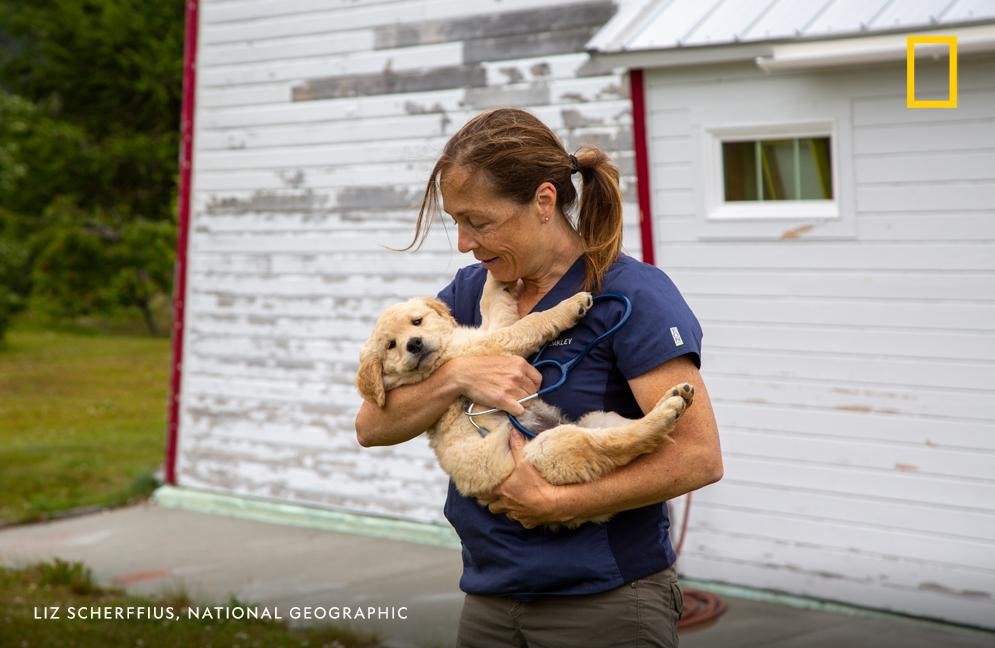
Dr. Oakley was not presented as a celebrity first. She was shown as a working veterinarian whose job happened to be unusually demanding. Her cases involved dogs, cats, horses, reindeer, bison, bears, birds, and other animals that required very different medical approaches.

That broad range of work helped the show build a strong identity. It was educational, emotional, and often unpredictable. Unlike scripted reality formats, the drama came naturally from the setting and the cases themselves.

For years, the show gave Nat Geo Wild a dependable veterinary series with a recognizable lead, a unique location, and a clear connection to wildlife medicine. That made its quiet disappearance after 2023 even more noticeable.

When Did Dr. Oakley, Yukon Vet Last Air?

Dr. Oakley, Yukon Vet last aired new episodes in 2023. Season 12 was the most recent confirmed season, and there has not been a verified new season since then.

The show is now widely listed as a 2014 to 2023 series with 12 seasons. That is one of the strongest public indicators that the active run has ended. If the show were still moving forward, there would usually be some sign of a renewal, a production update, a release window, or promotion from the network or streaming side.
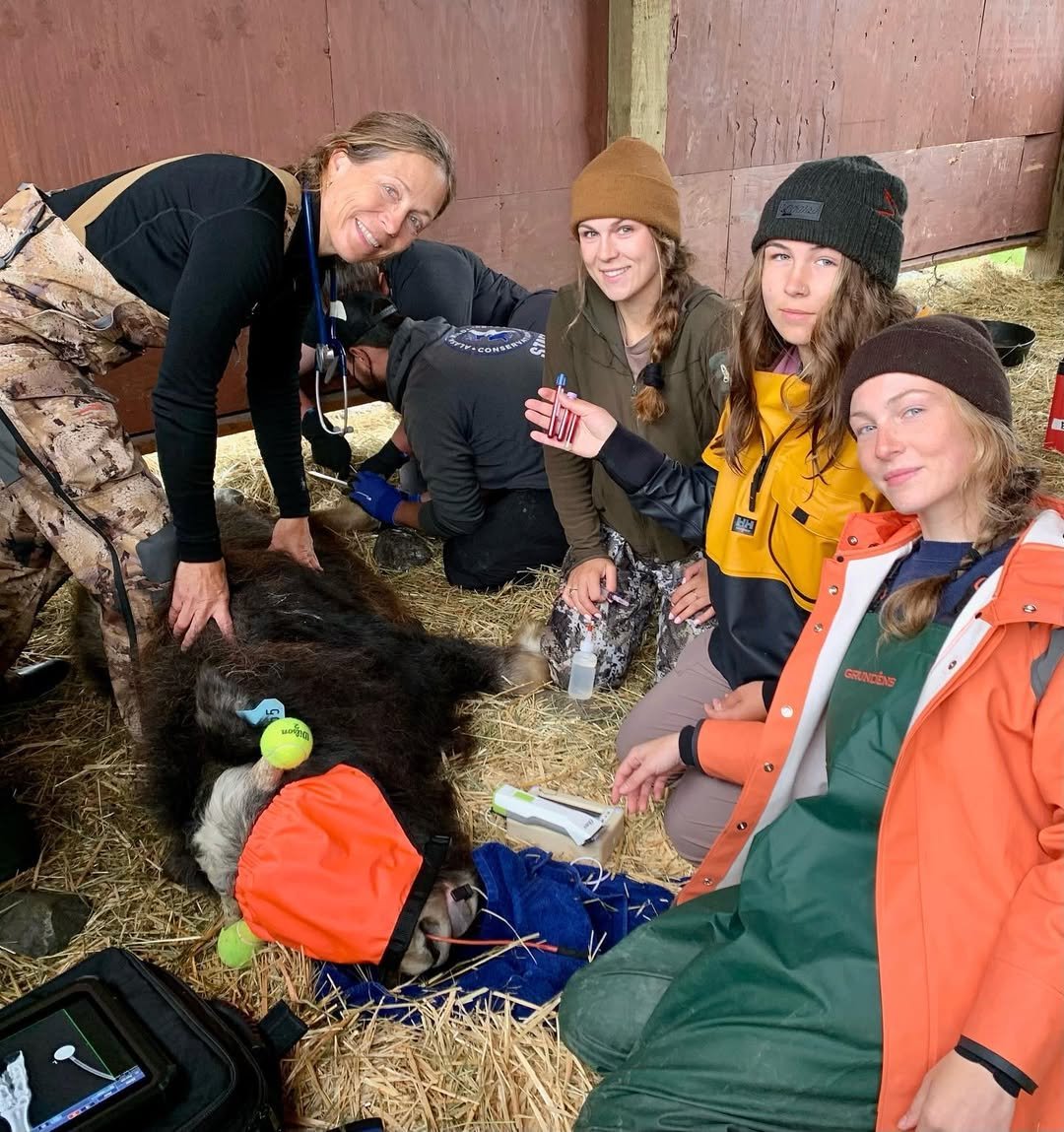
Instead, the public record shows a completed run. Season 12 appears to be the final season available, and there has been no clear movement toward Season 13.

That does not look like a temporary break. Based on the timeline, the lack of renewal activity, and the way the show is now listed, the most reasonable conclusion is that Dr. Oakley, Yukon Vet has been quietly cancelled or permanently shelved.

What Is Dr. Michelle Oakley Doing These Days?

Dr. Michelle Oakley has not disappeared from public life or veterinary work. The end of regular television episodes does not mean she has stepped away from animal medicine.

Recent public information shows that Oakley remains active in wildlife care, conservation, and animal-health education. Her work is still connected to Alaska and the Yukon, and she continues to be associated with conservation-focused veterinary projects.

One of the clearest recent updates is her continued public role with the Alaska Wildlife Conservation Center. She has been connected to wildlife care and education there, including involvement in public conservation events. In 2026, she appeared at the opening of the Matson Ocean Education Center in Alaska, where her role was tied to wildlife education and protection.

That points to a career shift in visibility rather than a career slowdown. Instead of appearing every week on Nat Geo Wild, Oakley now appears to be focused more on direct veterinary work, conservation outreach, public education, and animal-health projects.

So the current update is clear: Dr. Oakley’s show appears to be over, but Dr. Oakley herself is still active in the field that made her famous.

Why is Dr. Oakley Yukon Vet Being Cancelled

The strongest evidence is the timeline. Dr. Oakley, Yukon Vet has not returned with a new season since 2023. A long-running unscripted series can take breaks, but when a show goes multiple years without new episodes and is listed with an end year, that usually signals that the network has moved on.

The second major clue is the absence of a public renewal push. There has been no confirmed Season 13 announcement, no visible marketing campaign, and no clear indication that production is continuing.

The third clue is the larger change in the veterinary reality TV space. Dr. Oakley, Yukon Vet was part of a once-popular wave of animal-doctor shows that performed well on cable networks. But that genre has clearly slowed down. Several major veterinary shows have ended, disappeared, or stopped producing new seasons.

That broader industry pattern makes the Dr. Oakley situation easier to understand. The show does not appear to have ended because Dr. Oakley stopped doing important work. It appears to have ended because Nat Geo Wild and similar networks have moved away from the older cable-era vet-show model.

Dr. Jeff: Rocky Mountain Vet Was Also Cancelled

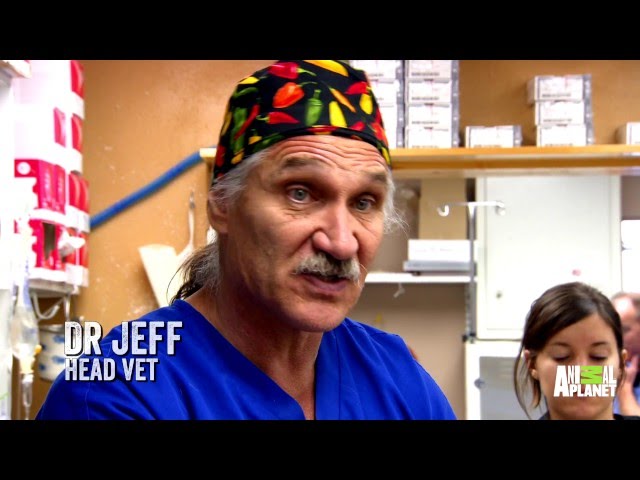
Dr. Oakley, Yukon Vet is not the only major veterinary reality series that appears to have reached the end of its run. Dr. Jeff: Rocky Mountain Vet, another famous animal-medical show, also stopped producing new seasons after years on television.

Dr. Jeff Young’s series had a strong identity of its own. It focused on real veterinary cases, high-pressure medical work, and the operations of Planned Pethood Plus in Colorado. Like Dr. Oakley, Dr. Jeff became a recognizable TV veterinarian with a loyal audience and a clear brand.

But Dr. Jeff: Rocky Mountain Vet last aired its most recent season in 2022 and has not returned with a confirmed new season since. That places it in the same category as Dr. Oakley, Yukon Vet: a once-prominent veterinary reality show that appears to have been cancelled or permanently shelved without the kind of loud public farewell that some scripted shows receive.

This matters because it shows a pattern. Dr. Oakley’s show did not vanish in isolation. It disappeared during a period when several well-known vet shows either ended or stopped moving forward.

The End of Dr. Pol Also Shows the Shift in Vet Shows

The Incredible Dr. Pol was one of the biggest veterinary shows connected to Nat Geo Wild, and even that series eventually came to an end. Its conclusion made the shift even clearer.

For years, Dr. Pol represented the peak of the veterinary reality genre. It was long-running, highly recognizable, and deeply connected to Nat Geo Wild’s animal-programming identity. When a show that big ends, it suggests more than one programming decision. It suggests a changing network strategy.

That is why the likely cancellation of Dr. Oakley, Yukon Vet fits into a larger picture. Nat Geo Wild and similar networks appear to be moving away from the long-running vet-show era that once included Dr. Oakley, Dr. Pol, Dr. Jeff, Dr. K’s Exotic Animal ER, and other animal-doctor programs.

The genre may still have an audience, but the business of cable and streaming has changed. Networks now make different decisions about production cost, streaming value, library content, and whether older reality formats still fit their future plans.

Was Dr. Oakley, Yukon Vet Officially Cancelled?

There does not appear to be a major public announcement from Nat Geo stating that Dr. Oakley, Yukon Vet was officially cancelled.

However, an official press release is not the only way a show ends. Many reality shows are quietly discontinued. They simply stop producing new seasons, remain available on streaming platforms, and are eventually listed as completed series.

That appears to be what happened here.

The show has not aired new episodes since 2023. It is listed as a 2014 to 2023 series. There is no confirmed Season 13. There is no active renewal campaign. Other major veterinary shows from the same era have also ended.

Based on that evidence, the most accurate conclusion is this: Dr. Oakley, Yukon Vet was most likely quietly cancelled after Season 12.

Dr. Oakley’s Career Continued After the Show

The cancellation of Dr. Oakley, Yukon Vet should not be confused with the end of Dr. Michelle Oakley’s career. Her public work still points toward veterinary medicine, wildlife conservation, and education.

In many ways, that makes sense. Oakley’s television career was built around work she was already doing. She did not need the show to create her identity as a veterinarian. The show simply gave a wider audience access to the unusual world she worked in.

Now that the series appears to be over, Oakley seems to have returned to a lower-profile but still meaningful public role. Her current work appears centered on real-life animal care, wildlife projects, conservation education, and professional veterinary service.

That makes her different from many reality TV personalities. The show may be cancelled, but the work behind the show continues.

Final Conclusion on Dr. Oakley Yukon Vet Cancelled

Based on the available evidence, Dr. Oakley, Yukon Vet appears to be cancelled or quietly ended after Season 12. The show last aired new episodes in 2023, has not returned with a confirmed Season 13, and is now listed as a 2014 to 2023 series.

The cancellation also fits a larger industry pattern. Other famous veterinary shows, including Dr. Jeff: Rocky Mountain Vet and The Incredible Dr. Pol, have also ended or stopped producing new seasons. That suggests the issue is not just one show, but a broader shift away from the once-dominant vet-show era on cable television.

Dr. Michelle Oakley, however, remains active. Her current work appears focused on wildlife medicine, conservation, animal-health education, and public outreach in Alaska and the Yukon.

So the clearest conclusion is simple: Dr. Oakley, Yukon Vet is most likely cancelled, but Dr. Michelle Oakley’s real veterinary mission is still continuing.

Dr. Brenda Grettenberger’s Legal Drama Just Ended — The Court’s Decision Is Finally In

Dr. Brenda Grettenberger, D.V.M., is one of the most familiar and respected faces connected to The Incredible Dr. Pol. Longtime viewers know her as the calm, steady veterinarian who can handle everything from intense farm emergencies to routine clinic care without turning it into a show. While Dr. Jan Pol may be the headline name, Dr. Brenda became a big part of what made the series feel real—because she never came across like someone performing for the camera. She came across like a vet doing the job.

Dr. Brenda was born and raised in Michigan, and her love for animals started early. Growing up around farm life helped shape the path she’d eventually choose, especially when it came to working with large animals and rural clients who depend on practical, no-nonsense care. After finishing school, she pursued veterinary medicine and earned her D.V.M. from Michigan State University, one of the most well-known veterinary programs in the country.

Not long after graduating, Dr. Brenda joined Pol Veterinary Services and built a reputation for being reliable, capable, and fiercely dedicated to her patients. When the TV cameras later arrived, she didn’t feel like a “new addition” for entertainment value—she already belonged there. Her early appearances quickly made her a fan favorite. Viewers appreciated her steady energy, her confidence with difficult cases, and the way she handled tense situations without drama.

Over time, though, fans began noticing something: Dr. Brenda wasn’t showing up as often. Episodes would pass without her being featured, and that gap led to the same question popping up again and again—had she left the clinic? Online chatter grew, and rumors started spreading, especially among casual viewers who assumed fewer scenes meant she was gone.

But according to Dr. Pol, the truth was much simpler. Dr. Brenda hadn’t left at all. She was still doing the work—just choosing to appear less on camera. The reason wasn’t conflict or a sudden exit, but a personal preference. She wanted to focus on caring for animals without the constant presence of filming, and reducing her on-screen time allowed her to do that.

In other words, Dr. Brenda didn’t disappear from the clinic—she just stepped back from the spotlight. And for many fans, that choice only reinforced what they liked about her in the first place: she’s always been about the animals first, not the attention.

Dr. Brenda’s Lawsuit that kept her on probation since 2024.

Dr. Brenda Grettenberger — the calm, steady “Dr. Brenda” that The Incredible Dr. Pol fans have watched handling everything from farm calls to clinic emergencies — found herself at the center of a professional licensing case that’s been widely misunderstood online. The short version: a routine dental cleaning for a dog ended in tragedy, regulators alleged she failed to properly supervise the procedure, and the case ultimately swung on one key legal issue — whether the state had the right kind of expert evidence to prove she violated Michigan’s professional standards. Justia Law

The incident that started it all (March 13, 2017)

According to the court record, on March 13, 2017, a dog named Macy was brought to Pol Veterinary Services for a teeth cleaning. Dr. Grettenberger examined Macy beforehand, didn’t find a reason to cancel the procedure, and told a licensed veterinary technician, Andrea Mata, to proceed. Shortly after, Dr. Grettenberger left the clinic for a scheduled “herd health” farm call.

Mata performed the dental cleaning while another veterinarian was still at the clinic. Afterward, Macy initially recovered from anesthesia without issue — but once alert, Macy developed breathing trouble. Another veterinarian at the clinic treated Macy for several hours, but Macy ultimately stopped breathing and died. The cause of death was listed as unknown in the court’s summary of events.

What regulators alleged

After Macy’s death, Michigan’s Bureau of Professional Licensing filed an administrative complaint. The complaint alleged Dr. Grettenberger:

  • failed to adequately examine Macy,

  • did not properly chart Macy’s medical information, and

  • failed to properly supervise the teeth cleaning after delegating it to the technician.

The matter went to a five-day hearing, with both sides presenting expert testimony about the veterinary standard of care.

The ALJ’s key finding: “handoff” supervision

The administrative law judge (ALJ) did not find enough evidence to conclude Dr. Grettenberger’s exam or charting was inadequate. Instead, the ALJ focused on supervision: the idea that once Dr. Grettenberger delegated the cleaning, she left without first “handing off” supervision to another veterinarian through communication and agreement.

The ALJ described handoff as something intentional — not automatic — and reasoned that Dr. Grettenberger didn’t speak to the other veterinarians or obtain a promise that one of them would monitor the procedure before she left.

A procedural twist followed: Dr. Grettenberger moved to disqualify the Bureau’s expert; the disciplinary subcommittee ultimately granted that disqualification — but in the same order, it also adopted the ALJ’s proposal for decision and the finding that she violated the Public Health Code.

The discipline and probation: when it took effect

State disciplinary reports list Dr. Grettenberger (license 6901007301) under Veterinary Medicine with an effective date of May 16, 2024, showing the action as Probation, with the stated basis including incompetence/negligence/technical violation of Michigan’s Public Health Code. Michigan.gov

Important limitation: the disciplinary action report confirms probation and its effective date, but it does not publicly spell out the probation’s detailed terms or a specific “completion” date in the report itself. Michigan.gov

The appeal outcome: the case gets reversed (December 16, 2025)

Dr. Grettenberger appealed — and on December 16, 2025, the Michigan Court of Appeals reversed the violation finding.

The court’s reasoning was blunt: this wasn’t something an ordinary person could decide using “common sense” alone. To discipline a veterinarian for a supervision standard like this, the state needed admissible expert testimony establishing the standard of care and showing it was breached — and the court found that competent evidence wasn’t there.

So the court reversed the portion of the order finding her responsible for violating the Public Health Code and remanded the case for entry of dismissal of the complaint.

Brenda

When was the probation “lifted”?

Here’s the cleanest, evidence-based way to frame it from the official record:

  • Probation took effect: May 16, 2024 (listed effective date). Michigan.gov

  • The discipline underpinning it was overturned: December 16, 2025, when the Court of Appeals reversed the violation finding and ordered the complaint dismissed on remand.

    Brenda

    Brenda

Public-facing reports don’t clearly show the administrative “update date” when probation was formally removed from the license profile (that typically requires the underlying dismissal/order paperwork to be posted in the licensing system). But legally, the December 16, 2025 decision is the turning point that sets the violation finding aside and directs dismissal, which is what ends the basis for the probation in this case.

Brenda

If you want, paste the exact paragraph you used in your earlier draft about “probation lifted on X date,” and I’ll tighten it so it’s 100% wording-safe and matches what the record supports—without weakening the drama/People-style flow.

Dr. Emily Heart Broken: Reveal the loss of her Saint Bernard: What happened?

Many recognize Dr. Emily Thomas from her work with Dr. Jan Pol on “The Incredible Dr. Pol.” She bravely opened up about a particularly challenging and ultimately heartwarming journey involving her own Saint Bernard, a tale she shares below:

I never imagined myself owning a Saint Bernard. They simply weren’t on my radar, much like the idea of living in Michigan.

Then, one day, while working my first job in South Carolina, a local dairy farmer brought in a newborn puppy. She ran a dairy and had a small Saint Bernard breeding operation on the side. Her female dog had just given birth, but had tragically end3d all but two of the puppies, and one of the survivors had a severely injured back leg. Initially, it looked like a simple puncture wound on the outside of the hind leg. We cleaned it and sent the puppy home with antibiotics.


The next day, the farmer returned with the puppy. The leg wound had worsened, was draining pus, and the foot was cold and stiff. We gave the puppy a grim prognosis; infection had set in, and a newborn, fragile baby with a dead leg was unlikely to survive. The farmer, with all her responsibilities managing a dairy, didn’t have the time to dedicate to such a sickly puppy. She decided that euthanasia would be the most humane option since he wasn’t improving.

Looking at this beautiful puppy, perfect in every way except for his mangled rear leg, I couldn’t bring myself to inject his tiny heart and then place him in the freezer where we stored deceased animals. At this point, I was just finishing my first trimester of my very first pregnancy (with India). We had only moved to this town five months prior, were renting, and already had two dogs, two cats, and two horses. It was absolutely not the right time to consider taking on another dog, especially one that would require five weeks of intensive care and eventually grow to over 100 pounds. I discussed it with my best friend and coworker, Kim, who encouraged me to take on this (currently) one-pound challenge.

I spoke to the farmer about surrendering him so we could attempt to amputate the leg and save him. She was in tears. She was a tough woman, running a dairy farm, but she had a truly wonderful heart. She was devastated at the thought of putting him to sleep, but grateful that we would at least give him a chance. I had him signed over and was now the owner of a very sick infant Saint Bernard. What had I gotten myself into? What would Tony say when I got home? I knew he would understand—he knows who he married—but he’d probably shake his head a bit.

The next day was scheduled for surgery. I had to meet my boss at a dairy first to continue learning how to efficiently palpate cattle for pregnancy. The upcoming surgery replayed in my mind. Finally, we finished with the cows, and I drove to the clinic to operate on this three-day-old puppy. We anesthetized him with just valium and then masked him with gas. Three of us gathered around this one-pound patient: Kim, our assistant; the other doctor at the clinic monitoring the anesthesia; and me, operating on what felt like a KFC chicken wing. I dissected down to the femur, at some point severing the femoral artery, which was so tiny it didn’t bleed. I used heavy Mayo scissors to score a shallow cut around the bone, like a glass cutter, and the bone easily broke in half.

I then filed the end of the bone to ensure it wouldn’t be rough on the muscles, closed the muscles around the bone tip, and finally, stitched the skin over the muscle. Whew! We were done! We took him off gas, put him on oxygen only, and waited for him to wake up. And we waited. And waited. He wasn’t waking up. That’s it, I thought, I knew this was stupid, but at least we tried, right? Then, the assisting doctor got some injectable dextrose and put just a couple of drops in his mouth. He woke up! Thankfully, she remained calm and remembered that neonatal patients can become hypoglycemic under anesthesia.

We took the puppy home, now named “Doomed puppy” due to my blend of pessimism and superstition. We had to bottle-feed him. The tiny nipple that came with the formula bottle was far too small for his mouth. We ended up having to use a soda bottle with the smallest goat nipple we could find. We also had to stimulate him to pee and poop until he reached a certain age. For the first few days of his life, he slept in a cardboard box on a heating pad in our bathroom and came to work with me every day. We had to set alarms to wake up every few hours to feed him.

One weekend, we traveled back to Georgia to announce my pregnancy to our families. We always took our dogs with us when we traveled, and the two large dogs were in the backseat along with the box containing the puppy. He was about two pounds at this point. Along the way, we stopped at Subway for dinner but didn’t want to leave the puppy alone in the car with the two dog-aggressive dogs. So, I picked him up, placed him in an inside pocket of my coat, and carried him inside. The workers there never realized I had a Saint Bernard in my coat pocket.

After that, I smoothed the end of the bone so it wouldn’t irritate the muscles, then wrapped the muscles around the bone tip, and finally, stitched the skin closed over the muscle. Done! We took him off the gas, put him on oxygen, and waited for him to wake up. We waited and waited. He wasn’t stirring. I thought, “This was a mistake, but at least we tried, right?” Then, the assisting doctor grabbed some injectable dextrose and put a couple of drops in his mouth. He woke up! Thankfully, she stayed calm and remembered that newborns can become hypoglycemic under anesthesia.

We took the puppy home, now dubbed “Doomed puppy” due to my blend of pessimism and superstition. We had to bottle-feed him. The small nipple that came with the formula bottle was too tiny for his mouth, so we ended up using a soda bottle with the smallest goat nipple we could find. We also had to stimulate him to pee and poop until he reached a certain age. For his first few days, he slept in a cardboard box on a heating pad in our bathroom and came to work with me every day. We had to set alarms to feed him every few hours.

One weekend, we drove to Georgia to announce my pregnancy to our families. We always brought our dogs when we traveled, so the two larger dogs were in the backseat along with the puppy’s box. He was about two pounds at this point. On the way, we stopped at Subway for dinner, but I didn’t want to leave the puppy alone in the car with the two dog-aggressive dogs. So, I picked him up, tucked him into an inside pocket of my coat, and carried him inside. The Subway workers never realized I had a Saint Bernard in my coat pocket.

Eventually, we settled on the name “Merlin.” He continued to live in our bathroom, and he particularly loved the bathtub. Every night at bedtime, he would just shuffle into the bathroom and flop himself into the bathtub to sleep. Having only had three legs his whole life, we assumed he would have no trouble learning to walk with three legs. Just like four-legged dogs who undergo amputation later in life seem to manage fine and “don’t miss a step,” we thought he’d have even less difficulty adapting. We were wrong.

Having basically been born with just the three legs and having never learned to walk properly, he would just scramble. He would pull his body along with his front legs and kind of paddle with his one hind leg. Thanks to the advice from my friend, Kim, we sought a Veterinary specialist in rehabilitation in Columbia, SC. She was able to make some chiropractic adjustments, and fit him for a cart for us to borrow. He hated that cart. We would harness him up and he would freak out and run around the room, getting caught on furniture and knocking over everything. We were finally able to harness him up and take him on walks in the neighborhood. It took a lot of practice, and he grew quickly and eventually had to return the cart, but by then, he had learned better how to get up on that back leg.

He eventually got along on that back leg like it was nothing. We couldn’t take him on long hikes and I could only take him on a 1 mile “warm up walk” before my run so that he got to feel like he was part of the pack too, but he also loved to play tug-of-war – which is typically not recommended for pets because it can make them think everything is a game when you’re trying to take things from them – but this was his main method of exercising, and I could just tell him to drop it and it was over.

He loved vegetables, fruit, tissues, and baby socks. He would wait in the kitchen while I cooked, waiting eagerly for kale stems, carrot ends, strawberry leaves; would follow the kids around or sit next to me while strings of drool hung at his lips if we dared to eat an apple around him. He EXPECTED the core. He would run outside and help the horses eat watermelon rinds or try to find the scattered sweet potato skins I had just thrown out for the deer. If you left a paper towel or tissue within reach, he would stalk it because he knew he would get into trouble for eating it and the moment we weren’t paying attention, he would suck that thing down like it was a piece of cotton candy. Even when the kids were babies and we were in a complete state of chaos, if we forgot to close the baby wipes when we were done, you would catch him sucking each one down as it pulled up the next – like his own tissue Pez dispenser. His love of baby/kids socks got him in trouble too. We would constantly have to go out and buy more to make up for his dietary needs. Our kids were so trained not to leave their socks on the floor downstairs that if we went and visited another person’s house, our kids would come up to us and ask us where they could safely put their socks. Between the tissue diet and socks he consumed, once spring rolled around and we mowed the lawn for the first time the mower would spray our yard with confetti of tissue pieces and colorful sock remnants.

As Merlin got older, he would go through phases where he couldn’t walk as well anymore. Most of the time, he responded to pain medication, time, or a chiropractor adjustment. I took an x-ray of his hips to see the horror that I was afraid of. His only hind leg he had was suffering from horrible hip dysplasia. I knew, even though we were very diligent about keeping his weight down, at 120lb, it was still only a matter of time before he completely tore his cruciate ligaments in his only knee and then it would be done.

He was definitely MY dog. Tony would tell me that if I wasn’t home, Merlin would just lay in the corner of the dining room all day, not moving even to go outside. He did NOT appreciate the kids and as he got older, he only became more cranky with them, especially when they got crazy silly.

This past fall, he started having trouble walking again. We knew, at almost 9 years old, anytime could be his last. He was no longer getting up on his back leg anymore and would just scramble along the wooden floors. We would assist him outside and, at first, he would get up on the leg to go to the bathroom. We had him on three different pain medications, joint supplements he had been on his whole life plus a few more, got him some fancy Dr. Buzby’s toe grips, a Help ’em up harness, but still he dragged that stump around. Eventually, he stopped eating as much and the stump became raw and bloody. We had smears of bloody trails across our floors where he had needed to be with me. I altered his harness to pad the stump, but it wouldn’t stay where it needed to. I brought home an “After surgery wear” from work and altered that to pad his stump. That seemed to work better.

I had been avoiding it. I was in denial. When he would use every last bit of energy in his painful body to get to where ever I was in the house, I just knew he depended on me, how could I let him down? But finally, I stayed outside to watch him go to the bathroom, because now he was soaking his after-surgery wear every time he peed.

To my horror, and with tears running down my face, I saw him drag himself to a spot and just sit and pee all over himself. Then, he dragged himself to another spot and pooped while sitting, only swinging his rear away to keep the poop from sticking to him. I knew it was time.

The final day, he was so excited to get to go in the car with us, as that was a rare occurrence for him. We were feeding him Milkbones like he was starving and he just thought that was the best. My mother even met us at the clinic and brought him a porkchop wrapped in a paper towel. He chomped that down too, paper towel and all. He was just having the best day! Of course, it took me and Tony to get him out of the car and into the clinic to our euthanasia room. He required a sling to hold his hind end up. But he just dragged us in, found the few people working after-hours, his tail just flagging like the happiest pup.

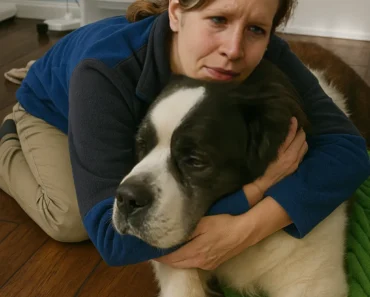
We finally got him to the euth room and he stumbled and collapsed on the floor. Tired, from all his happiness. I gave him the sedation, then cuddled his giant bear head in my lap as the final injection was given. He was only 3 days old when I decided it wasn’t his time to go to the freezer and even though I had given him 3,200 more days of pure love, it still felt like I had abandoned him as we gently lowered his body, finally, into the freezer.

BYE BUDDY.

I don’t know what I would have done without him, and the house feels so empty now. Even though he’s no longer by my side, every memory of his clumsy, loving presence is etched into my heart. Goodbye, my sweet boy. You will always be in my heart.

Dr. Pol’s Ultimate Guide on how to Remove Dog Hair from Clothes and Cars Effectively: Easy DIY

The unwavering loyalty, playful antics, and unconditional affection of a dog enrich our lives in countless ways. As devoted pet parents, we gladly welcome them into our homes and hearts. However, this beautiful companionship often comes with a hairy truth: shedding. While a natural occurrence for our canine friends, the persistent presence of dog hair on our favorite clothes and embedded in our car upholstery can be a source of daily frustration. For owners of certain breeds, the sheer volume of hair can feel like a constant battle against a furry tide. This article aims to provide a comprehensive understanding of why dogs shed and, more importantly, offers effective, practical strategies to minimize shedding and tackle the inevitable hair that finds its way onto our clothes and into our vehicles. Whether you’re dealing with a light dusting or a veritable blizzard of fur, this guide will equip you with the knowledge and techniques to manage dog hair and maintain a cleaner, more comfortable environment. Let’s delve into the world of shedding and discover how to live harmoniously with our beloved, albeit furry, companions.

Why the Fluff? Understanding Dog Shedding

Shedding, also known as molting, is a normal and necessary physiological process that all dogs undergo. It serves several vital functions, including regulating body temperature, eliminating old or damaged hair, and promoting the growth of a new, healthier coat. This occurs as dogs lose dead or damaged fur to make space for new, healthy fur to grow. However, the amount and frequency of shedding can vary dramatically depending on a multitude of factors.   

One of the primary determinants of shedding is a dog’s breed. Some breeds, particularly those with longer or silky coats, tend to shed more than those with short or coarse fur. Certain breeds with double coats, such as Golden Retrievers, often experience year-round shedding due to the density of their fur. In contrast, single-coated breeds like Dachshunds, Poodles, and Border Terriers may appear to shed very little. It’s important to recognize that while long-haired breeds might produce more noticeable hair, the quantity shed isn’t always greater than that of some short-haired breeds.   

Seasonal changes also play a significant role in shedding patterns. Most dogs that shed seasonally will do so more heavily in the spring and fall as their coats adapt to temperature fluctuations. As the weather warms up in spring, dogs shed their heavier winter undercoats to make way for lighter summer coats, and the reverse occurs in the fall as they prepare for colder temperatures. Dogs with double coats typically have two major shedding periods during these transitional times. Outdoor dogs often follow a more pronounced seasonal shedding cycle, typically starting to shed their winter coat around March and finishing by June, then shedding their summer coat from September to November.

A dog’s health condition is another critical factor influencing shedding. Excessive shedding or a noticeable change in the coat’s appearance (such as becoming dull, dry, or brittle) can be indicative of an underlying medical issue that warrants veterinary attention. Various health problems can lead to increased hair loss, including parasite infestations like fleas, ticks, and mites , allergies to food or environmental triggers , hormonal imbalances, infections, and even more serious conditions.   

Diet has a profound impact on a dog’s coat health and shedding. An imbalanced or poor-quality diet that lacks essential nutrients, particularly fats and proteins including omega-3 fatty acids, can result in increased shedding and a lackluster coat. In fact, a poor diet is often cited as a primary reason for excessive shedding in dogs. Even dehydration can contribute to this issue.   

Stress can also trigger increased shedding in dogs. Changes in routine, the introduction of a new family member, or stressful events like visits to the veterinarian can all contribute to temporary increases in hair loss.   

The age of a dog can also affect shedding. While puppies typically begin to shed their soft puppy coat around four to six months of age , senior dogs may experience increased shedding as their skin and coat naturally weaken over time.   

Finally, the environment in which a dog lives can influence their shedding patterns. Indoor dogs, exposed to consistent artificial heating and cooling, may shed more evenly throughout the year compared to outdoor dogs who experience more distinct seasonal changes in coat thickness. Even the amount of daylight a dog is exposed to can play a role in their shedding cycle.

Understanding these various factors is the first step in effectively managing dog hair in our lives. Recognizing that shedding is a complex process influenced by multiple elements allows us to adopt a more informed and strategic approach to minimizing its impact.

Shed Less, Love More: Strategies to Minimize Dog Hair

While shedding is an inherent part of dog ownership, there are numerous effective strategies that pet owners can employ to minimize the amount of hair that ends up on their clothes and in their cars. A proactive approach, focusing on both the dog’s well-being and consistent routines, can make a significant difference.

Grooming is Key

Regular grooming is arguably the most impactful way to control dog shedding.   

Regular Brushing: Consistent brushing helps to loosen and remove dead hair from your dog’s coat before it has a chance to fall out onto your belongings. Aim to brush your dog several times a week, ideally for 5 to 10 minutes each session.During periods of heavy shedding, daily brushing may be necessary.   


Choosing the Right Brush: The type of brush you use should be tailored to your dog’s specific coat type. For short-haired dogs, a bristle brush, a rubber curry comb, or a grooming mitt can effectively remove loose fur and dirt. Rubber brushes, like the popular Kong ZoomGroom, are also excellent for massaging the skin and attracting loose hair in short-coated breeds. Long-haired dogs benefit from slicker brushes, pin brushes, and long-bristle brushes that can reach through their longer fur. For dogs with double coats, using an undercoat rake a few times a week is crucial for removing the dense underlayer that contributes significantly to shedding. Slicker brushes and bristle brushes can then be used to address the outer coat. For curly-haired dogs, wire-pin brushes and soft slicker brushes are often recommended to help detangle and remove loose hair without disrupting their curl pattern.   

Bathing Regularly: Bathing your dog helps to loosen and remove dead hair that might otherwise end up on your furniture and clothing. A general guideline is to bathe your dog every 4 to 6 weeks, but this can be adjusted based on their breed, activity level, and coat condition. When bathing, use a shampoo specifically formulated for dogs, and consider using a de-shedding shampoo and conditioner, which often contain ingredients like moisturizers and omega-3 fatty acids to hydrate the skin and further release dead hair. Remember to brush your dog after each bath, as this can help remove even more loose hair.   

Professional Grooming: Regular visits to a professional groomer can be incredibly beneficial, particularly during peak shedding seasons. Groomers possess specialized tools and expertise in techniques like de-shedding treatments, which can significantly reduce the amount of hair your dog leaves behind.   

Nutrition Matters

A healthy coat starts from the inside out, and your dog’s diet plays a crucial role in the health and shedding of their fur.   

Balanced Diet: Ensure you are feeding your dog a high-quality, balanced dog food that meets their specific nutritional requirements. A poor diet is a significant contributor to excessive shedding. Look for dog foods that list real meat as a primary ingredient and avoid those with excessive fillers.   

Omega-3 and Omega-6 Fatty Acids: These essential fatty acids are vital for maintaining healthy skin and a glossy coat, reducing inflammation, and ultimately minimizing shedding. Good sources of these beneficial fats include fish oil and flaxseed oil. Maintaining a proper balance between omega-6 and omega-3 fatty acids is also important.   

Protein: Since hair is primarily composed of protein, ensuring your dog’s diet is rich in high-quality protein is essential for a healthy coat and can help reduce shedding.   

Other Essential Nutrients: Various vitamins and minerals also contribute to coat health. Biotin, for example, is known to support healthy skin and coat , as are Vitamin E and Vitamin A. Minerals like Zinc and Copper also play vital roles in maintaining a healthy coat.   

Supplements: While a balanced diet should provide most necessary nutrients, supplements like omega-3 fatty acids and biotin can be beneficial for some dogs. However, it is always best to consult with your veterinarian before introducing any new supplements to your dog’s diet.  

Healthy Dog, Less Shed

A dog’s overall health and well-being significantly impact their shedding.

Managing Allergies: Both food and environmental allergies can manifest as skin irritation, leading to excessive scratching and subsequent hair loss. Consulting with your veterinarian is crucial for diagnosing the specific allergens and developing a management plan, which may include elimination diets for food allergies and strategies to reduce exposure to environmental allergens.   

Parasite Control: External parasites such as fleas, ticks, and mites can cause intense itching and irritation, leading to excessive scratching and hair loss. Maintaining a consistent regimen of flea and tick preventatives is essential for preventing infestations and the associated shedding. 

Reducing Stress: Stress and anxiety can also contribute to increased shedding in dogs. Providing a stable and predictable daily routine, ensuring adequate exercise and mental stimulation, and creating a calm and secure environment can help reduce stress levels and, consequently, shedding.  

Regular Veterinary Check-ups: Routine visits to your veterinarian are vital for maintaining your dog’s overall health and can help identify and address any underlying medical conditions that might be causing excessive shedding.  

By implementing these strategies, dog owners can significantly reduce the amount of hair their furry companions shed, leading to a cleaner home and a more enjoyable living environment for everyone.

Hair-Free Threads: Removing Dog Hair from Clothes – Multiple Methods

Despite our best efforts to minimize shedding, dog hair inevitably finds its way onto our clothes. Fortunately, there are numerous effective methods to remove this unwanted fur, ranging from quick fixes to more thorough cleaning techniques.

Dry Techniques

These methods are ideal for removing loose dog hair from clothing before washing or for quick touch-ups.

Using Lint Rollers: A classic and convenient tool, lint rollers with adhesive sheets are effective for picking up loose pet hair from clothing. Simply roll the sticky surface over the affected areas. For a more sustainable option, consider reusable lint rollers made of silicone that can be washed and reused. Keeping a lint roller by the door can be a great habit for a quick de-furring before leaving the house.

The Magic of Rubber Gloves: Damp or dry rubber gloves can work wonders for removing pet hair from clothes. Put on a pair of clean rubber gloves and run your hands over the fabric. The friction and static electricity will cause the hair to lift and cling to the gloves or gather into clumps that can be easily picked off. Sweeping your hands in one direction tends to be most effective.  

Specialized Pet Hair Removal Brushes for Clothing: Various brushes are specifically designed to attract and remove pet hair from fabrics. These often feature microfiber or velvet-like pads that effectively grab onto loose hair. When using these brushes, it’s important to brush in the direction indicated by the brush’s design for optimal hair removal.  

Reusable Lint Removers: For an eco-friendlier approach, consider investing in reusable pet hair removers. Silicone tools like the FurZapper can be used on clothing to gently lift hair. Another popular option is the ChomChom Roller, which uses a rolling mechanism to collect hair in a compartment that can be emptied. These reusable options eliminate the need for disposable adhesive sheets.  

Laundry Solutions

For clothes heavily covered in dog hair, incorporating specific techniques during the washing and drying process can be highly effective.

Tips for Washing Clothes with Dog Hair: Before loading your clothes into the washing machine, give them a good shake to dislodge any loose hair. A helpful trick is to pre-dry your clothes in the dryer on a no-heat or low-heat setting for 10 to 20 minutes before washing. This process helps to loosen the pet hair, which will then be caught by the dryer’s lint screen. It’s generally best to wash clothes covered in pet hair separately from other items. Adding about half a cup of white vinegar to the fabric softener compartment or directly into the rinse cycle can also help to relax the fabric fibers and release trapped hair. Avoid overloading your washing machine, as this can prevent the clothes from agitating properly and releasing the hair. For particularly stubborn pet hair, consider using a sanitize cycle on your washing machine if the fabric allows. 

The Role of Dryer Sheets and Dryer Balls: Dryer sheets play a significant role in reducing static cling in your laundry, which in turn helps prevent pet hair from sticking to clothes. As the clothes tumble in the dryer, the reduced static allows the loose hair to be more easily captured by the lint trap. Dryer balls, made of wool or silicone, offer a reusable alternative to dryer sheets. These balls help to agitate the clothes, further loosening hair and improving air circulation for faster drying. Regularly cleaning your dryer’s lint screen after each cycle is crucial for maintaining its effectiveness in trapping pet hair.  

In-Wash Hair Catchers: Several products are available that can be added directly to your washing machine to help catch pet hair during the wash cycle. These include items like FurZappers, which are silicone discs designed to attract and trap hair , and specialized lint balls with textured surfaces that grab onto loose fur. For these products to work effectively, avoid overfilling your washing machine and refrain from using fabric softeners, as they can reduce the effectiveness of these hair catchers.  

By utilizing a combination of these dry and laundry techniques, you can significantly reduce the amount of dog hair clinging to your clothes, keeping your wardrobe looking much cleaner.

Sparkling Clean Rides: Removing Dog Hair from Your Car – Step-by-Step

For many dog owners, their vehicles become another prime location for accumulating pet hair. Removing dog hair from car upholstery and carpets can be a more challenging task due to the embedded nature of the fur. However, with the right approach and tools, it is certainly achievable.

Initial Vacuuming and Preparation

Begin by removing any loose items, such as toys or blankets, from your car. Then, perform a thorough vacuuming of the entire interior, paying close attention to the seats, carpets, floor mats, and any crevices where hair tends to accumulate. If your home vacuum struggles with the task, consider using the more powerful vacuums available at most car washes.Using upholstery-specific attachments, such as brushes and crevice tools, will help to target tight spaces and lift stubborn hair.  

Effective Removal Techniques

After the initial vacuuming, employ these techniques to tackle the remaining dog hair:

Utilizing Rubber Gloves: Just as with clothing, slightly dampen a pair of rubber gloves and wipe them over the car’s upholstery and carpets. The rubber’s texture creates friction and static, causing the hair to gather into clumps that can then be easily picked up or vacuumed away. Remember to sweep your gloved hands in one direction for the best results.

The Power of Lint Rollers: Keep a lint roller in your car for quick touch-ups and to pick up any remaining loose hair after vacuuming. They are particularly useful for smaller areas and for removing surface-level hair.   

Specialized Car Pet Hair Removal Tools:

A variety of tools are specifically designed for removing pet hair from car interiors. Rubber brushes with thick bristles are excellent for loosening embedded hair from upholstery and carpets.Rubber squeegees can be used to gather hair into piles for easier removal. Pet hair removal stones, often made of pumice, can help to scrub away stubborn, deeply embedded hair from carpets, but use them cautiously on delicate fabrics as they can be abrasive. Tools like the Lilly Brush feature a specially designed blade that effectively lifts and gathers pet hair from various surfaces.   


Duct Tape and Other Sticky Solutions: For a budget-friendly option, try wrapping duct tape or packing tape around your hand with the sticky side facing out. Press your hand firmly onto the hair-covered surfaces and then lift it up to collect the fur. Replace the tape as it loses its stickiness.  


Fabric Softener and Water Spray: Mix a few teaspoons of fabric softener with water in a spray bottle. Lightly mist this solution onto your car’s upholstery and carpets, then wipe with a paper towel. The fabric softener helps to loosen the hair, making it easier to vacuum away.   

Cleaning Different Car Surfaces

Upholstery: For fabric car seats, use a combination of the techniques mentioned above. Start with vacuuming, followed by wiping with damp rubber gloves or using a specialized pet hair brush. For any remaining stubborn hair, try a lint roller, the fabric softener spray, or even duct tape.

Carpets and Floor Mats: Car carpets are notorious for trapping dog hair. After vacuuming, use a rubber brush, a squeegee, or a pet hair removal stone to vigorously scrub the carpet fibers and loosen embedded hair. Remove floor mats for easier access and more thorough cleaning.  

Hard Surfaces: Dog hair on hard surfaces like the dashboard, door panels, and center console is generally easier to remove. Simply wipe these areas down with cleaning wipes designed for car interiors.  

Preventing Future Fur Buildup in Your Car

Once you’ve achieved a hair-free car, taking preventative measures can significantly reduce future cleaning efforts.Investing in pet-specific seat covers and cargo liners made from durable, easy-to-clean materials like rubber or synthetic fabric can act as a barrier, protecting your car’s upholstery and making hair removal much simpler. If possible, train your dog to stay in one designated area of the car, such as the backseat or the cargo area, which can help contain the hair. Using a pet crate or restraint can also be a safe and effective way to limit the spread of fur. Make it a habit to thoroughly brush your dog before each car ride to remove loose hair before it even enters your vehicle. Consider using rubberized floor mats instead of carpeted ones, as they are much easier to wipe clean. Finally, some pet owners find that using an anti-static spray on their car’s upholstery can help to prevent dog hair from clinging to the fabric.  

Conclusion: Embracing a Hair-Managed Life with Your Canine Companion

While the presence of dog hair on our clothes and in our cars can sometimes feel like an inescapable aspect of pet ownership, it is indeed a manageable challenge. By understanding the reasons behind shedding and implementing a combination of preventative grooming practices and effective cleaning techniques, dog owners can significantly reduce the amount of hair they encounter. Experimenting with the various methods discussed for both clothing and car interiors will allow you to discover the solutions that best fit your lifestyle, your dog’s specific shedding habits, and your personal preferences. Ultimately, the joy and unconditional love that our canine companions bring into our lives far outweigh the effort required to manage their shedding. With a little consistent effort and the right tools, a hair-managed life alongside your beloved dog is absolutely achievable, allowing you to focus on the countless joys of your furry friendship.


Method Description of Technique Pros Cons
Lint Roller Adhesive sheets or reusable silicone roller. Quick, easy to use for small amounts of hair. Adhesive rollers require refills; silicone rollers may not be as effective on all fabrics.
Rubber Gloves Damp or dry rubber gloves swept over fabric. Inexpensive, readily available, reusable. May not work as well on all fabric types.
Pet Hair Removal Brush Specialized brush with microfiber or velvet pad. Effective at grabbing hair, reusable. May require specific brushing direction.
Reusable Lint Remover (Silicone/Roller) Washable and reusable tools to lift and collect hair. Eco-friendly, cost-effective long-term. May require specific techniques or maintenance.
Pre-Drying in Dryer (No Heat) Tumble dry clothes on no heat before washing. Loosens hair, which is caught in lint trap. Requires a dryer.
Washing with Vinegar Add 1/2 cup white vinegar to rinse cycle. Helps loosen fibers and release hair. May have a slight odor that dissipates.
Dryer Sheets Add to dryer to reduce static. Prevents hair from sticking, helps trap in lint screen. Single-use.
Dryer Balls (Wool/Silicone) Add to dryer to agitate clothes and reduce static. Reusable, can help loosen hair. Silicone balls can be noisy.
In-Wash Hair Catchers Add to washing machine to trap hair. Catches hair during the wash cycle. May not be effective for all types of hair or washing machines.
Method Description of Technique Pros Cons
Vacuuming Use upholstery attachments to vacuum all surfaces. Removes loose hair and debris. May not lift embedded hair effectively.
Rubber Gloves Slightly dampen and wipe over surfaces. Inexpensive, creates static to lift hair. Can be time-consuming for large areas.
Lint Roller Roll over upholstery and carpets. Quick for surface hair removal. Requires many sheets for large areas.
Rubber Brush Use firm strokes to loosen embedded hair. Effective for carpets and upholstery. May require some effort.
Squeegee Drag rubber blade over surfaces to gather hair. Good for collecting hair into piles. May not work well on heavily textured surfaces.
Pet Hair Removal Stone (Pumice) Gently rub over carpets to lift embedded hair. Effective for stubborn hair on carpets. Can damage delicate fabrics if used improperly.
Lilly Brush/Similar Tool Use the blade to scrape and lift hair. Very effective for embedded hair on various surfaces. Requires specific technique.
Duct Tape/Packing Tape Wrap sticky side out and dab at hair. Effective for lifting stubborn hair. Tape loses stickiness quickly.
Fabric Softener and Water Spray Mist lightly and wipe to loosen hair. Helps loosen hair and can leave a fresh scent. May leave residue if too much is used.

Inside Dr. Pol’s Brand: Pet Health Care, Foods, Other Products & Supplements.

Dr. Jan Pol, the globally recognized veterinarian from the hit television series “The Incredible Dr. Pol,” has extended his passion for animal well-being into a thriving brand of pet and farm products. Rooted in decades of hands-on experience, the Dr. Pol brand reflects his practical, no-nonsense approach to animal care, emphasizing quality and affordability for pet owners and farmers alike.

From Piglets to Products: The Genesis of a Brand

The story of the Dr. Pol brand began long before its product lines ever materialized. It traces back to 1954 in the Netherlands, where a young Jan Pol, at the age of 12, assisted in the delivery of piglets on his family’s dairy farm. This pivotal moment ignited a lifelong dedication to caring for animals [Interview]. After earning his veterinary degree, Dr. Pol immigrated to the United States and dedicated his life to serving the animals of his rural Michigan community, tending to pets, livestock, and everything in between.

This extensive experience forms the bedrock of the Dr. Pol brand. His philosophy, honed over more than 50 years of veterinary practice, centers on the principle of balancing high-quality care with affordability [Interview]. This practical yet compassionate approach has naturally evolved into a family of products designed to make responsible pet ownership and animal husbandry accessible to everyone [Interview].

A Philosophy of Simplicity and Trust


Dr. Pol’s Wide Range of Offerings: Catering to Diverse Animal Needs

The Dr. Pol brand boasts an extensive portfolio of products designed to cater to a wide array of animals, from household pets to farm livestock. These include:   


  • Foods and Feeds: Formulated to provide essential nutrition for dogs, cats, horses, chickens, and other farm animals.  
  • Litters and Bedding: Options designed for comfort, hygiene, and ease of use.
  • Wellness and First-Aid Products: Including supplements and essential items for maintaining animal health and addressing minor injuries.
  • Grooming Products: Tools and solutions to help keep pets clean and healthy.   
  • Toys and Pet Accessories: Items designed for enrichment and practical pet care  

Popular Choices: Quality and Value Resonate with Consumers

Several products within the Dr. Pol brand have garnered significant popularity among pet owners. According to Don Rothwell, a partner at All American Licensing (AAL), which collaborates with the Dr. Pol brand, the brand’s unique appeal lies in Dr. Pol’s international recognition and his experience with a diverse range of animals, allowing the brand to extend across numerous product categories and species.

Among the standout products are:

  • Dr. Pol Limited Ingredient Grain-Free Salmon Recipe: This dog and cat food is favored for its simple formulation, containing just six wholesome ingredients. Dr. Pol emphasizes that this recipe provides essential nutrition without unnecessary additives that can cause sensitivities in pets.   
  • Incredi-Pol Dog and Cat Foods and Treats: This line focuses on striking a balance between affordability and quality. CEO Charles Pol highlights the refined ingredient panel while maintaining a commitment to nutritional value. The positive reviews from customers and even the Pol family’s own pets underscore the success of this line. Dr. Pol himself attests to his dogs’ enthusiasm for the Incredi-Pol beef and chicken blends.


  • Dr. Pol Farm Offerings (Poultry Pearls): Addressing a common frustration among poultry owners, the Dr. Pol Farm line includes specialized feeds for horses, chickens, mixed flocks, goats, and rabbits. The Poultry Pearls, an extruded kibble designed to prevent selective eating and nutrient waste in birds, have become particularly popular. This product stems from Charles Pol’s personal experience with the challenges of poultry feed .. The extruded horse and goat feeds are also top sellers in this category.  
  • Dr. Pol Pine Pellets Cat Litter: This natural, environmentally friendly litter has quickly become a consumer favorite. COO Beth Pol notes its USDA certification as biodegradable and compostable, highlighting its appeal to cat owners seeking healthy and sustainable options.  

Dr. Pol’s New Products for Comprehensive Care

The Dr. Pol brand continues to innovate and expand its product offerings. At the Global Pet Expo 2024, several new additions were unveiled, further demonstrating the brand’s commitment to comprehensive animal care:   

  • New Canned Dog and Cat Foods: Expanding the Limited Ingredient and Incredi-Pol Favorites lines, these wet food options complement the existing dry food range, maintaining Dr. Pol’s dedication to affordable, high-quality nutrition [Interview]. This expansion is in partnership with Consumer Supply Distributing [Interview].
  • Incredi-Pol Wound Care Products: Addressing essential first-aid needs, this new line includes wound spray, wound gel, ear solution, and eye drops for all types of pets and animals. Dr. Pol expressed his satisfaction in bringing these effective products to market through a partnership with Innovacyn .
  • Pet and Animal Grooming Tools: Recognizing the importance of grooming for pet health, Dr. Pol has partnered with Andis to introduce a new line of grooming tools, including clippers, nail grinders, and other accessories, empowering pet owners to maintain their animals’ well-being.
  • Additional Pet Care Products: Collaborating with LabClean, the brand has launched a range of products to help keep pets clean and owners happy, including pet shampoos, waterless shampoo and pet refresher, stain and odor remover, and body mist [Interview].
  • Plush Characters and Farm Animals: Expanding beyond pet care essentials, Dr. Pol will be introducing a line of plush toys for the whole family to enjoy, expected in late 2024.

The Power of Recognition: Dr. Pol as the Face of Trust

A significant advantage for the Dr. Pol brand is the immense recognition and trust associated with Dr. Jan Pol himself [Interview]. With over a decade and 24 seasons of “The Incredible Dr. Pol” being the top-rated show on Nat Geo WILD, airing in over 150 countries on Disney+, a #1 New York Times best-selling book, and a substantial social media following, Dr. Pol has established himself as a beloved and trusted figure worldwide.

Charles Pol emphasizes that the brand’s success goes beyond mere celebrity endorsement. It’s rooted in Dr. Pol’s genuine passion for helping animals and their owners [Interview]. Whether interacting with clients in his clinic or engaging with fans, Dr. Pol’s authentic care and willingness to connect with people about their animals resonate deeply with consumers [Interview]. This shared love for animals is what truly sets the brand apart.

Supporting Retail Partners: Leveraging Brand Awareness

The Dr. Pol team understands the importance of supporting pet stores and retailers in bringing their products to consumers. The extensive catalog of “The Incredible Dr. Pol” television series, featured on Nat Geo WILD and Disney+, provides a strong foundation of brand awareness that retailers can leverage.

Furthermore, Dr. Pol’s significant social media presence, with over 2.6 million followers, offers additional avenues for consumer engagement. Dr. Pol and his family actively support their product lines through ongoing engagement with retailers and distributors.

Recognizing that pet stores are key to educating consumers about animal care, Dr. Pol brand partners collaborate with thousands of retailers through various in-store promotions, signage, and advertising efforts, tailoring their support to meet the specific needs and goals of each retailer [Interview].

The Future of the Brand: Growth and Accessibility

Looking ahead, the Dr. Pol brand is focused on a strategy of “capture and hold.” While Dr. Pol’s celebrity status may initially attract consumers, the brand’s commitment to excellence at an affordable price is what fosters customer loyalty and repeat purchases [Interview]. Charles and Beth Pol express their excitement about the continued growth and increasing accessibility of the brand.

The Dr. Pol brand is dedicated to expanding its existing product lines and venturing into new categories, always with the goal of providing high-quality products that promote affordable health and wellness for animals across the country and the world [Interview]. A key focus is on rapidly increasing the brand’s presence in retail locations throughout the US, both in traditional brick-and-mortar stores and online [Interview]. In an increasingly crowded marketplace, the Dr. Pol brand aims to cut through the confusion by offering product lines that pet owners and animal lovers can trust, backed by Dr. Pol’s unwavering commitment to animal well-being.

Charles Pol Net Worth: What does Charles Pol do for a living?

Charles Pol is an American television producer and media executive best known as the co-creator and executive producer of the long-running Nat Geo WILD series The Incredible Dr. Pol. Born and raised in Michigan, Charles was adopted by Dr. Jan Pol and his wife Diane Pol, and he grew up surrounded by animals at his father’s rural veterinary clinic. While many assumed he would follow in his father’s medical footsteps, Charles instead pursued a career in television and entertainment.

Charles Pol with his father “The Incredible Dr Pol” star Jan Ham Pol

Charles Pol’s Work History.

After completing his education at the University of Miami with a degree in communications, Charles moved to Los Angeles to break into the media industry. His early career was built through a series of internships and assistant roles at major entertainment companies. He worked at Paramount Pictures, Parkway Productions, and Mirage Enterprises, where he gained experience as an intern and production assistant.

From 2005 to 2012, Charles built an impressive résumé in Hollywood. He worked as a Production Assistant and later Operations Coordinator at Nickelodeon, gaining insight into children’s entertainment and network operations. He also served as a Development Executive at Booya Studios and an Assistant at Sony Pictures Entertainment, where he worked closely with creative teams developing scripted content.

In 2011, Charles co-created The Incredible Dr. Pol, a reality series based on the life and veterinary practice of his father, Dr. Jan Pol. As Executive Producer, he played a vital role in shaping the series’ tone, storytelling, and success. The show premiered on Nat Geo WILD and quickly became one of the network’s top-performing series. Thanks to Charles’ vision and leadership, The Incredible Dr. Pol has aired for over a decade, making it a staple in the world of animal-focused television.

Charles also worked with Straight Shooters Entertainment as a Co-Creator and Executive Producer from 2012 to 2014, helping to expand the Pol brand and explore new TV concepts.

Beyond his professional life, Charles is a devoted family man. He married Beth Oakes in 2018, a childhood friend, and the couple has two children—Abigail, born in October 2019, and Silas, born in July 2021. The family lives in central Michigan, close to the Pol family clinic.

Despite his work behind the camera, Charles occasionally appears on The Incredible Dr. Pol, often providing comic relief and helping out at the clinic. His journey from intern in Hollywood to producer of one of TV’s most beloved veterinary shows is a testament to his creativity, determination, and deep-rooted love for his family.

Position Company Location Duration Timeframe
Executive Producer The Incredible Dr. Pol Mt. Pleasant, MI 14 years 2 months (and ongoing) Apr 2011 – Present
Co-Creator / Executive Producer Straight Shooters Entertainment Greater Los Angeles Area 1 year 11 months Mar 2012 – Jan 2014
Operations Coordinator Nickelodeon Greater Los Angeles Area 4 years 3 months Jan 2008 – Mar 2012
Development Executive Booya Studios Greater Los Angeles Area 11 months Mar 2007 – Jan 2008
Assistant Sony Pictures Entertainment Greater Los Angeles Area 1 year Jan 2006 – Dec 2006
Production Assistant Nickelodeon Greater Los Angeles Area 11 months Mar 2005 – Jan 2006
Intern / Production Assistant Mirage Enterprises Greater Los Angeles Area 11 months May 2004 – Mar 2005
Intern Parkway Productions Greater Los Angeles Area 4 months May 2004 – Aug 2004
Intern Paramount Pictures Greater Los Angeles Area 2 months May 2004 – Jun 2004


What Does Charles Pol Do for a living now?

Since the cancellation of The Incredible Dr. Pol, Charles Pol has taken on a more active role behind the scenes, working as the manager of Dr. Pol’s veterinary clinic and overall business operations. He plays a key role in promoting and expanding the Dr. Pol brand, including overseeing the clinic’s media presence, handling public relations, and managing day-to-day operations.

Charles is often seen actively promoting his father’s growing business ventures, such as Dr. Pol’s official merchandise line and the Dr. Pol Healthy Balance pet supplement business, which offers vitamins and wellness products for pets. Beyond business, he continues to leverage his media background by producing and publishing digital content, including behind-the-scenes clinic videos and promotional material for social media, helping to keep fans engaged even after the show’s conclusion.

His marketing efforts have helped maintain public interest in Dr. Pol’s clinic, drawing in new clients and keeping the brand relevant in the veterinary and pet care space. In many ways, Charles has transitioned from being the on-screen comic relief to the strategic mind ensuring the legacy of The Incredible Dr. Pol lives on through digital media, branding, and entrepreneurship.

Charles Pol Net Worth

As of 2025, Charles Pol has an estimated net worth of $2 million, primarily earned through his role as executive producer and co-creator of the hit Nat Geo WILD series The Incredible Dr. Pol. In addition to his television income, Charles is also believed to be the future heir to Dr. Jan Pol’s multimillion-dollar estate and business empire.

Dr. Pol has an estimated net worth of $10 million that he earns from multiple sources, built through decades of veterinary practice, book deals, speaking engagements, and the massive success of his long-running reality series. With Charles playing a major role in the show’s development and the continued expansion of the Pol brand, he stands to inherit not just wealth but also the legacy of one of television’s most beloved vets.

Dr. Jeff is Back with is New Show “Dr. Jeff & Petra: Unleashed!” Here’s how you can watch.

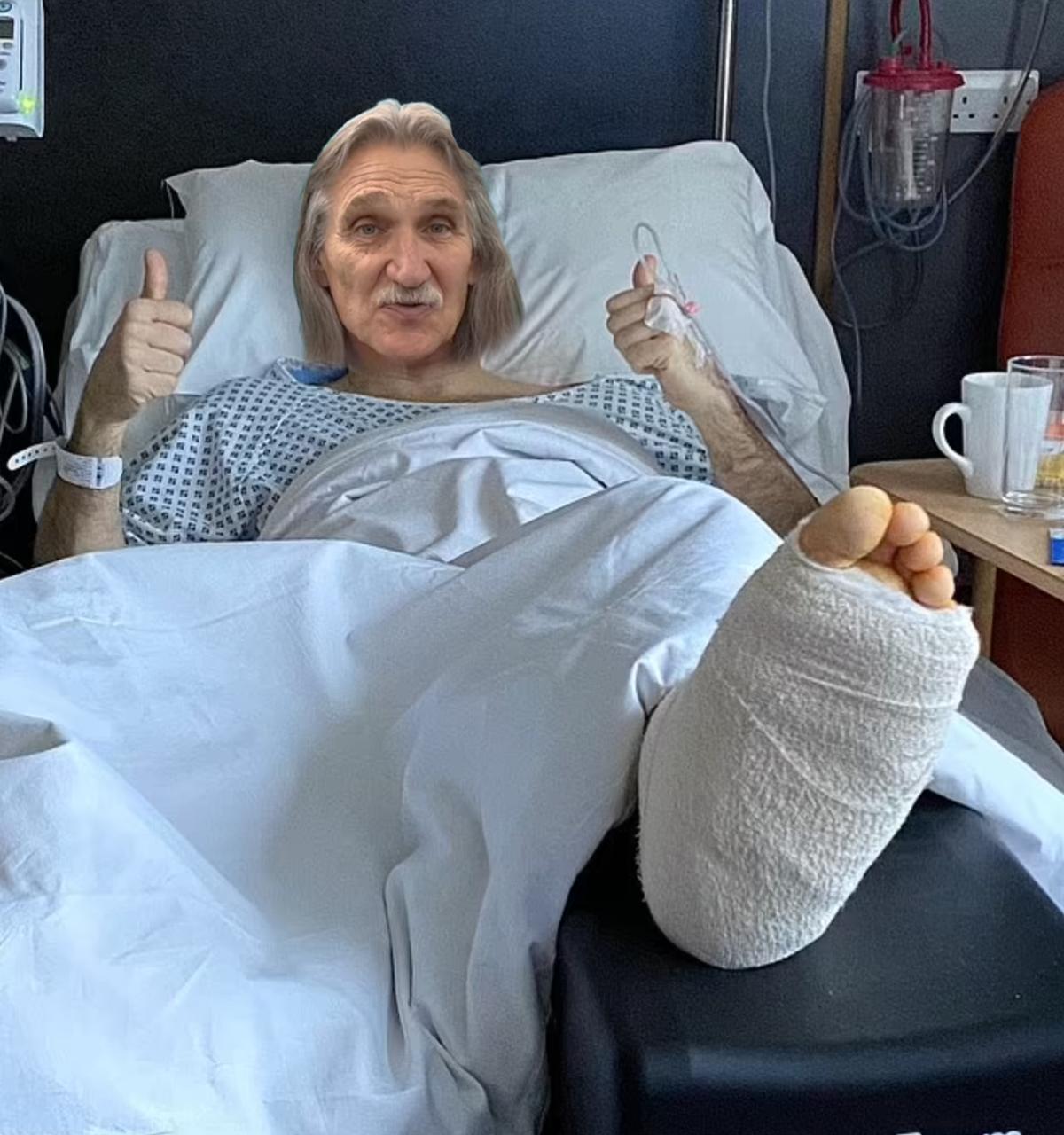
Dr. Jeff Young, widely recognized from the Animal Planet series Dr. Jeff: Rocky Mountain Vet, has made a significant return with a new web series titled “Dr. Jeff & Dr. Petra: Unleashed!”

This digital venture, co-hosted with his wife and fellow veterinarian Dr. Petra Mickova, marks a fresh chapter in their mission to provide affordable, compassionate animal care.

About Dr. Jeff’s new Show (Webseries)

Dr. Jeff: Rocky Mountain Vet captivated audiences with its heartfelt stories of animal rescue and treatment, showcasing the dedication of Dr. Jeff and his team at Planned Pethood Plus in Wheat Ridge, Colorado. Despite its success, the show concluded, leaving fans eager for more. Responding to this demand, Dr. Jeff announced the launch of a new web series, aiming to continue sharing real-life veterinary experiences directly with the audience.

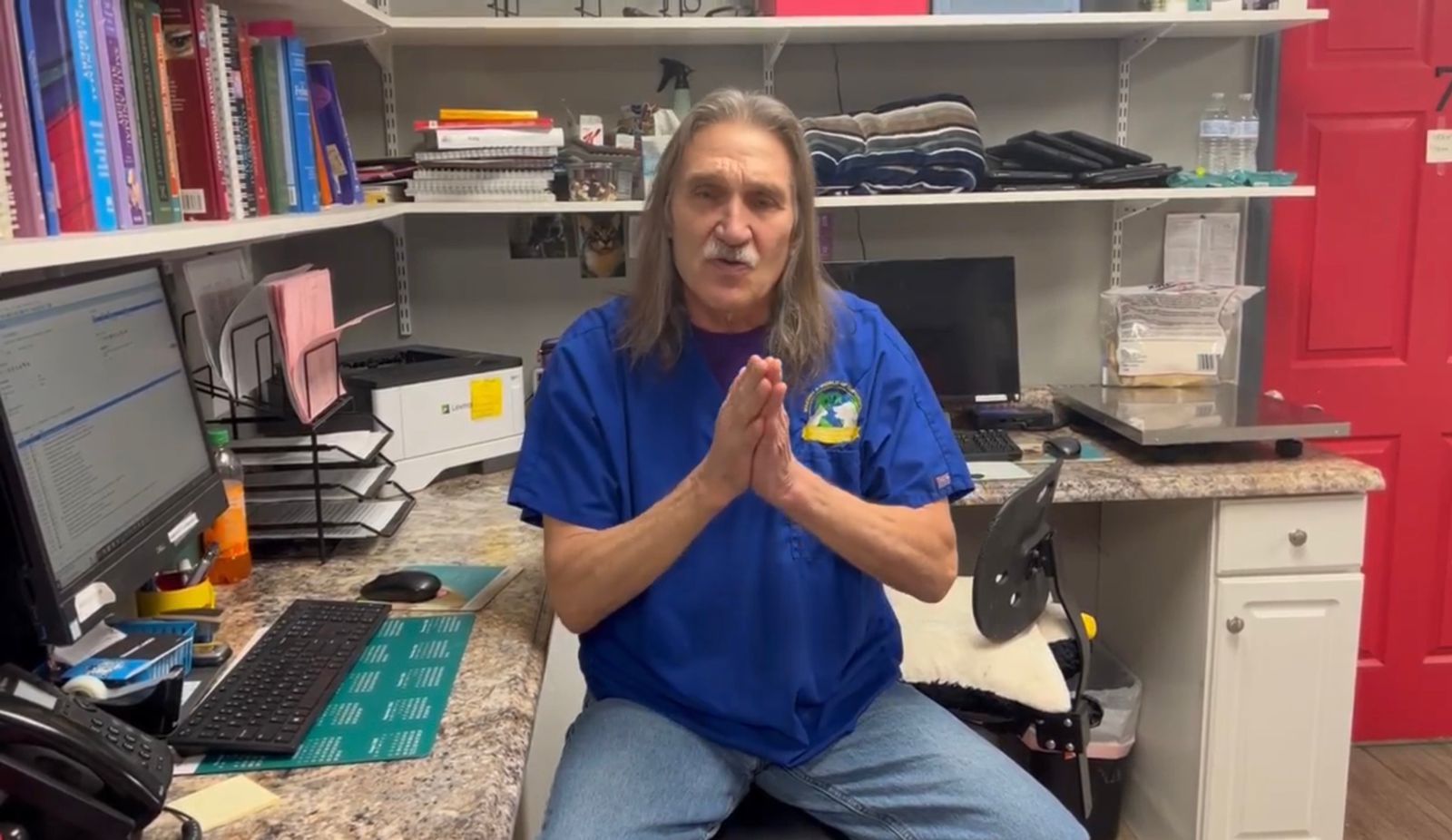
In a recent video message, Dr. Jeff expressed uncertainty about returning to traditional television but emphasized the importance of continuing to share their work:

“I don’t know when I’m going to be back on TV. It could happen, or it couldn’t happen. No one knows the future. But we have decided to post our work—real animals, real situations—on our social media platforms across Facebook, Instagram, and TikTok.”

The web series is available for free on platforms like YouTube, TikTok, and Instagram, allowing fans to stay connected with their work and mission.

In 2023, Dr. Jeff relocated his practice to Conifer, Colorado, establishing the Planned Pethood International Veterinary Clinic & Training Center. This state-of-the-art facility not only offers comprehensive veterinary services but also serves as a training center for veterinary students worldwide. The clinic continues Dr. Jeff’s commitment to affordable care, with policies ensuring that no single surgical procedure exceeds $2,500 (excluding post-operative visits)

Additionally, Dr. Jeff is spearheading the development of a new shelter in collaboration with Intermountain Humane Society. This facility aims to provide a safe haven for neglected, abandoned, and abused animals, featuring climate-controlled housing, on-site veterinary care, and dedicated adoption areas .​

In a recent revelation video, Dr. Jeff posted an update about his colleague Hector and revealed what he is doing these days. According to Dr. Jeff, Hector has decided to change his career plans and now been working on home remodeling business.

And Dr. Jeff hired Hector to remodel his new clinic, so technically Dr. Jeff and Hector are still working together but in different capacity than what we were used to while on tv show.

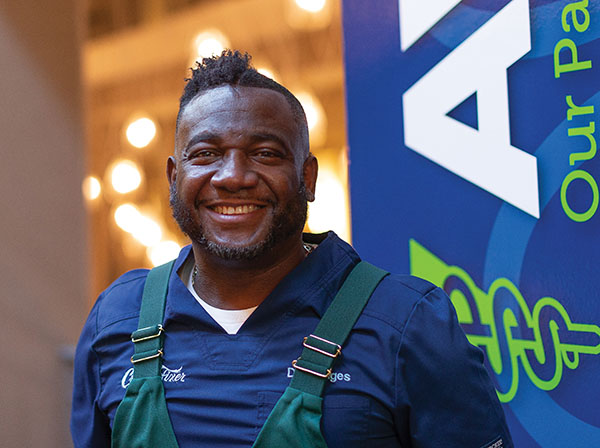
Critter Fixer: Country Vet Cancelled? Dr. Vernard Hodges reveals why the show’s future is uncertain.

Critter Fixers: Country Vets is a reality television series that provides an inside look at the lives of two dedicated veterinarians, Dr. Vernard Hodges and Dr. Terrence Ferguson, as they run their bustling veterinary practice in Bonaire, Georgia.

The show, which premiered in March 2020 on Nat Geo WILD, has captivated audiences with its mix of humor, emotional stories, and insight into the veterinary world. With its unique focus on the challenges of rural veterinary medicine, Critter Fixers has gained a dedicated fan base and has been a refreshing addition to reality television.

Located about 100 miles south of Atlanta, the Critter Fixer Veterinary Hospital is a lifeline for pet owners and farmers in the region. Whether it’s a dog needing surgery, a cow giving birth, or an alligator with an infection, Dr. Hodges and Dr. Ferguson tackle every case with expertise, passion, and a touch of humor. Their friendly banter and deep friendship add a layer of warmth to the show, making it not just educational but highly entertaining.

The Men Behind the Vet Hospital

Dr. Vernard Hodges and Dr. Terrence Ferguson are more than just skilled veterinarians; they are pioneers in a field where Black professionals make up only about 2% of the workforce. Their journey to success was not easy, but their determination and love for animals helped them build one of the most respected veterinary practices in Georgia.

Dr. Vernard Hodges: The Entrepreneurial Vet

Born and raised in Fort Valley, Georgia, Dr. Vernard Hodges developed an early fascination with animals. Though he initially wanted to become a marine biologist, his path changed after an internship at a veterinary clinic. He pursued his undergraduate studies at Fort Valley State University before earning his Doctor of Veterinary Medicine degree from Tuskegee University College of Veterinary Medicine in 1997.


Dr. Terrence Ferguson: The Compassionate Caregiver

Dr. Terrence Ferguson, a proud native of Talbotton, Georgia, discovered his love for animals early on while growing up in rural West Georgia. His passion was sparked by rescuing stray animals in his neighborhood, which eventually led him to pursue a career in veterinary medicine.

With the unwavering support of his family, Dr. Ferguson spent his summers volunteering at local veterinary clinics, laying the foundation for his future. After graduating from Central High Schoolin Talbotton, he enrolled at Fort Valley State University in 1987, where he earned a Bachelor of Science in Veterinary Technology.

While at FVSU, he gained invaluable experience interning with the U.S. Fish and Wildlife Service, working at both the Patuxent Wildlife Refuge in Maryland and the Alaska Wildlife Refuge on the Kenai Peninsula.

In 1994, he was accepted into the Tuskegee School of Veterinary Medicine, one of the nation’s most respected institutions, graduating with his Doctor of Veterinary Medicine (DVM) degree in 1998. Outside of his profession, Dr. Ferguson is a dedicated mentor and community leader.

He volunteers, coaches, and serves as Treasurer for the Peach County Youth Organization, and is also a trustee at Beulahland Bible Church in Warner Robins and Macon. He currently lives in Byron, Georgia, with his wife Kimberly, their two children Terrence II and Nicole, and their beloved dog Caesar.

Quick Facts: Dr. Terrence Ferguson

Category Details
Full Name Dr. Terrence Ferguson
Hometown Talbotton, Georgia
Current Residence Byron, Georgia
Education (Undergraduate) Fort Valley State University – B.S. in Veterinary Technology
Veterinary School Tuskegee School of Veterinary Medicine – DVM (1998)
Early Internships Patuxent Wildlife Refuge (MD), Alaska Wildlife Refuge (Kenai Peninsula)
Career Start Volunteered at local clinics during high school and college
TV Show Critter Fixers: Country Vets on Nat Geo WILD
Community Roles Treasurer – Peach County Youth Organization; Trustee – Beulahland Bible Church
Family Wife: Kimberly; Children: Terrence II and Nicole; Dog: Caesar
Passions Coaching, mentoring, wildlife conservation

The Critter Fixer Veterinary Hospital: A Hub of Animal Care

Established in 1999, Critter Fixer Veterinary Hospital began as a small, 1,000-square-foot facility. Over time, thanks to the hard work and dedication of its founders, it expanded into a state-of-the-art, 7,000-square-foot clinic. Today, the hospital serves over 20,000 patients annually, making it one of the busiest veterinary clinics in rural Georgia.

Critter Fixer Veterinary Hospital is a full-service veterinary practice located in Bonaire, Georgia, co-owned by Dr. Terrence Ferguson and Dr. Vernard Hodges—the dynamic duo featured on the Nat Geo WILD reality series Critter Fixers: Country Vets.

Services Offered:

Critter Fixer Veterinary Hospital provides a wide range of services, including:

  • Routine wellness exams and vaccinations

  • Surgery and dental care

  • Emergency treatment

  • Diagnostic testing and lab work

  • Exotic animal care

  • Large animal and livestock treatment

They treat all kinds of animals—from cats and dogs to goats, birds, snakes, and even wild animals. Their ability to handle such a diverse patient roster has made the hospital unique in the veterinary field.

The Popularity of the Show and Why Fans Love It

One of the key reasons Critter Fixers: Country Vets has resonated with audiences is its heartwarming portrayal of veterinary medicine. The show offers a behind-the-scenes look at the joys and challenges of animal care while also highlighting the strong bond between the doctors and their patients.

Each episode features a mix of dramatic, funny, and emotional moments. From performing life-saving surgeries to dealing with unusual medical cases, the veterinarians are constantly on their toes. One memorable case involved a police dog that had cactus thorns embedded around its eye, requiring delicate removal. Another involved a pet chicken suffering from a rare respiratory disease. These real-life cases keep viewers engaged while educating them about animal health.

Beyond the medical aspect, fans appreciate the friendship between Dr. Hodges and Dr. Ferguson. Their lighthearted teasing, combined with their deep respect for one another, makes the show feel genuine and relatable. The duo also brings awareness to the lack of diversity in veterinary medicine and actively works to inspire future veterinarians through mentorship programs.

Mentorship and Community Impact

One of the most impactful aspects of Critter Fixers is the Vet for a Day program founded by Dr. Hodges and Dr. Ferguson. This initiative allows students, particularly those from minority backgrounds, to shadow them at the clinic and learn about veterinary medicine firsthand. The goal is to encourage more diversity in the field by exposing young people to career opportunities they may not have considered before.

Both doctors frequently speak at schools and community events, sharing their experiences and encouraging young Black students to pursue STEM careers. Their dedication to mentorship has been widely recognized, and their efforts have made a lasting impact on aspiring veterinarians across the country.

Awards and Recognition

The success of Critter Fixers: Country Vets has not gone unnoticed. In 2024, the show was nominated for an NAACP Image Award in the category of Outstanding Reality Program, Reality Competition, or Game Show. This nomination highlighted the cultural and educational value of the show, as well as its role in promoting diversity in veterinary medicine.

Dr. Hodges and Dr. Ferguson have also been featured on mainstream media outlets such as The Kelly Clarkson Showand Good Morning America, where they have discussed their work and the importance of representation in their field.

Is Critter Fixers: Country Vets Cancelled?

While Critter Fixers: Country Vets has been a beloved series, there is uncertainty about its future. After Season 5, which aired in 2023, fans began wondering whether the show would continue. A fan recently asked Dr. Hodges on social media about the possibility of another season.

In response, Dr. Hodges explained that their original contract with Nat Geo WILD was for five seasons, and after that, they began working on a year-by-year basis.

Season 6 aired in 2024 under this short-term contract, but as of now, the network has not yet renewed the show for Season 7. While the doctors remain hopeful, there is a chance that the network might decide to end the series. If this happens, it would be a significant loss for fans who have come to love the dynamic duo and the valuable insights they provide into the world of veterinary medicine.

For now, fans can continue watching previous seasons on Disney+, Hulu, and Nat Geo WILD while waiting for an official announcement about the show’s fate. Whether or not Critter Fixers: Country Vets returns for another season, one thing is certain—Dr. Hodges and Dr. Ferguson have already made a lasting impact on the veterinary world and continue to inspire future generations of veterinarians.

FAQs

1. What is Critter Fixers: Country Vets about?

Critter Fixers: Country Vets is a heartwarming reality series on Nat Geo WILD that follows Dr. Terrence Ferguson and Dr. Vernard Hodges as they care for animals at their busy rural practice in Bonaire, Georgia. The show offers a real-life look at veterinary medicine, featuring everything from surgeries to surprise emergencies, and showcases the duo’s deep friendship and commitment to community service.

2. Where is Critter Fixer Veterinary Hospital located, and how big is it?

The hospital is located in Bonaire, Georgia, about 100 miles south of Atlanta. Originally a 1,000-square-foot clinic, it has expanded into a 7,000-square-foot full-service facility that now treats over 20,000 animals a year, making it one of the busiest rural clinics in the region.

3. What makes Dr. Ferguson and Dr. Hodges unique in the veterinary world?

Dr. Ferguson and Dr. Hodges are two of the very few Black veterinarians in the U.S.—a profession where only about 2%of practitioners are African American. Beyond their medical expertise, they’re also passionate mentors who created a “Vet for a Day” program to inspire youth—especially students of color—to consider careers in veterinary medicine.

4. What animals and services does Critter Fixer Veterinary Hospital handle?

The clinic offers a wide range of services including wellness exams, surgeries, emergency care, diagnostics, dental care, and exotic and livestock treatment. Patients range from dogs and cats to snakes, birds, goats, cows, and even alligators, making it a uniquely diverse practice.

5. Is Critter Fixers: Country Vets returning for Season 7?

As of now, the future of the show is uncertain. Their original five-season contract with Nat Geo WILD has ended, and Season 6 aired under a year-by-year agreement. There has been no official confirmation of a Season 7, though both doctors have expressed hope that the show will continue.

Dr. Jeff from ‘Rocky Mountain Vet’ Delivers Emotional Plea Amid Florida’s Hurricane Crisis

Dr. Jeff Young, star of *Dr. Jeff: Rocky Mountain Vet*, has always been an advocate for helping others, especially in times of crisis. As Hurricane Milton ravages parts of Florida, Georgia, North, and South Carolina, Dr. Jeff took to social media to deliver a heartfelt plea to his followers.

In his message, he urged Americans to come together to assist those affected by the hurricane’s devastation.

The ongoing situation in Florida is severe. After making landfall as a Category 3 hurricane, Milton caused widespread destruction, including heavy flooding, powerful winds, and several tornadoes.

The storm has left millions without power, while damaged infrastructure has blocked roads and shut down airports and ports. Rescue and recovery efforts are in full swing, but the destruction left in its wake is extensive, with many families displaced and communities facing a long recovery.

In light of this disaster, Dr. Jeff emphasized the importance of Americans doing what they do best: helping one another.

He praised the resilience of people who support not only their own communities but also those around the world in times of need.

Specifically, he highlighted the incredible work being done by the Bissell Pet Foundation, which is providing critical aid to animals and pet owners affected by the storm. Dr. Jeff encouraged anyone who can to donate through the foundation’s website, BissellPetFoundation.org.

In his post, Dr. Jeff acknowledged that not everyone can volunteer their time or send supplies such as food and blankets, but he stressed that even a small monetary donation can make a significant impact.

The Bissell Pet Foundation, he noted, is using these funds to provide much-needed assistance to pets and their families in affected areas. Dr. Jeff expressed his full support for the foundation’s efforts, encouraging his followers to contribute in any way they can to support this vital cause.

Dr. Jeff’s message is a reminder that in times of tragedy, the spirit of giving and community can make a difference.

His call to action reflects his long-standing commitment to helping both animals and people, even beyond his work as a veterinarian.

As the Southeast faces the long road to recovery after Hurricane Milton, his heartfelt plea resonates with many who want to lend a hand to those in need.

Dr. Jeff Young hospitalized with leg Injury. What happened?

Dr. Jeff Young, the beloved veterinarian and star of Animal Planet’s Dr. Jeff: Rocky Mountain Vet, has been a beacon of hope and compassion for animals and their owners for over three decades. Known for his unyielding dedication to providing affordable veterinary care and his tireless work in animal welfare, Dr. Jeff has earned a loyal following worldwide. His clinic, Planned Pethood Plus in Denver, Colorado, has become synonymous with quality and accessible care, treating thousands of animals each year.

The reality show Dr. Jeff: Rocky Mountain Vet provided a glimpse into the daily challenges and triumphs of Dr. Jeff and his team. It showcased their commitment to saving animals in need, from complex surgeries to routine treatments. The show resonated deeply with audiences, highlighting not just the medical aspect of veterinary care but also the emotional bonds between people and their pets. However, the show came to an end after several successful seasons, leaving fans heartbroken but grateful for the insight it provided into Dr. Jeff’s extraordinary work.

Dr. Jeff’s Cancer was back in early 2024

Dr. Jeff rocky mountain vet

In 2016, Dr. Jeff was diagnosed with a rare form of cancer known as B-cell lymphoma, a revelation that shocked his fans and the veterinary community. Despite the grim diagnosis, he faced his illness with the same determination he brought to his work, undergoing aggressive treatment while continuing to run his clinic and film the show.

By 2024, Dr. Jeff had successfully managed to keep the cancer at bay, allowing him to focus on his passion for animal care. Unfortunately, earlier this year, the cancer returned, posing a new challenge. Undeterred, Dr. Jeff underwent another round of treatment and, once again, emerged victorious. His remarkable resilience inspired many, solidifying his reputation as not just a healer of animals but a fighter in his own right.

A Recent Accident Adds to the Challenges

Just as he was recovering from his cancer battle, Dr. Jeff faced another unfortunate event. According to a report from TVStarBio.com, the renowned veterinarian suffered a serious accident during a routine ranch visit outside Denver. While examining a horse with a hoof problem, a sudden loud noise startled the animal, causing it to rear up unexpectedly. Dr. Jeff tried to step back to avoid being struck but lost his footing on a loose patch of gravel.

The fall resulted in a severe ankle fracture, forcing Dr. Jeff to be rushed to the hospital. Doctors determined that his injury required immediate attention and placed his leg in a plaster cast. Due to the complexity of the fracture, Dr. Jeff was kept in the hospital for two days for observation to ensure no further complications arose. He was eventually discharged with instructions to use crutches and avoid any strenuous activities for several weeks.

Despite this setback, Dr. Jeff’s indomitable spirit remains unbroken. His clinic, Planned Pethood Plus, released a statement expressing gratitude for the outpouring of support and assuring clients that services would continue as usual. “Dr. Jeff is in good spirits and committed to his recovery. He appreciates the overwhelming messages of love and encouragement from fans around the world,” the statement read.