Can Dogs Eat Scallops?

Scallops are a type of Shellfish that are highly sought after. They belong to the Pectinidae family, which encompasses other fish like oysters and clams. Though there are several types of Scallops, experts have found that the most common is the tiny bay scallops.

We also found that the term ‘Scallops’ is used about a plethora of marine bivalve mollusks. These Shellfish are present in all the oceans across the world.

Their popularity is huge due to their unique and delicate flavor. Moreover, the scallops’ texture is also quite popular. When prepared well, scallops tend to be delicious and tender, so much so that you don’t need to add anything other flavors. But can dogs eat scallops? Well, that’s what we are here to find out.

Are Scallops good for dogs?

Yes, in theory, dogs can eat Scallops, especially its foremost edible parts. We are of course, referring to the fish’s meaty abductor muscle. Generally, Scallops are classified as non-toxic, meaning that they will not have any adverse effects on your dog.

Some experts argue that their high protein and mineral content make them an excellent choice for your dog. However, like most foods, Scallops should also be consumed in moderation. Too many of them can cause your pet a few problems.

Additionally, Scallops should be prepared carefully before your dog can consume them. They need to be well-cooked, and you should avoid frying in general or the use of oils. Most dogs will be able to enjoy Scallops as a rare treat, or in some cases, as an ingredient in their dog biscuits.

Benefits of dogs eating Scallops.

To begin with, Scallops are usually considered to be an adequate source of protein. Having said that though, they shouldn’t serve as your dog’s primary source of protein.

At most, they should be an occasional treat, which, will give your dog the energy they need during playtime. Besides being a decent source of energy, the protein in the scallops will also give your pup stronger muscles, and better bone & body mass. If that’s not enough, a great quantity of protein will rapidly speed up healing in case of injury.

Image of Scallops
Scallops

Other than that, Scallops are also full of nutrients like phosphorus, which play a key role in the formation of teeth and bones. Additionally, these types of Shellfish contain magnesium and potassium. The former supports a healthy immune system while the latter plays a crucial role in the prevention of kidney stones.

Additional nutritional facts (100 grams of Scallops)

Protein

24 grams

Calories

137

Sugars

0 grams

Fat

1 gram

Carbs

6.3 grams

Fiber

0 grams

Sodium

660 mg

Health risks involved with dogs consuming Scallops

Though they are not considered dangerous for dogs to consume, scallops can have a few negative effects on your pet’s health. If your dog eats too many scallops, they are likely to suffer from digestive upsets. This is because their digestive systems aren’t built like ours.

The aforementioned ingredients are of-course fundamental when it comes to preparing Scallops. While we can easily handle butter, oils, seasoning, and salts, the same cannot be said for dogs. If your dog consumes fried scallops, then both of you are in for a rough night as it will work as a very strong laxative in this case.

They will experience several bouts of diarrhea, necessitating an immediate trip to the vet. In mild cases of stomach upsets, it will still be advisable to monitor them overnight while providing an adequate supply of water.

Another possible health risk is food poisoning. This is most common with scallops that swim around in polluted sections of the ocean. These fish will filter this dirty water, and in the process, pick up a variety of hazardous toxins that can lead to shellfish poisoning.

Moreover, scallops, if consumed raw, can also fill your pet with dangerous parasites and bacteria. The list of parasites is endless, ranging from salmonella, tape & roundworms, to listeria. Some common symptoms to watch out for when it comes to parasites include fevers, bloody mucus discharge, diarrhea, lethargy, and a diminished appetite.

How to prepare Scallops for your dog?

The first thing you need to remember is moderation. Dogs cannot consume an excessive number of scallops, as it will cause a lot of issues. It is best to reserve them as rare treats. So, how would you cook scallops for your dog?

Well, there are three things to consider. The first would be to avoid seasoning or the use of additional flavors completely. As we have already mentioned, dogs’ stomachs can’t handle the same things ours can, so avoid the use of salt, peppers, and other products. Secondly, you need to ensure that the scallops are completely cooked to kill bacteria and parasites.

Having said that, you shouldn’t overdo it, as too much heat will cause scallops to become too rubbery. These will cause digestive problems if not properly dealt with. Lastly, you should also choose the appropriate method of cooking.

Use a pan that you don’t normally use for your own food, as it may still have some oil residue. Other than that, you can also opt to steam or boil scallops while avoiding frying entirely.

Final Thoughts

To recap, dogs can consume scallops, but you must be careful when it comes to the quantity. Moderation is key, as it will be the difference between an upset stomach and a happy, healthy dog. These sShellfishhave been proven to be a good source of protein, while also containing some other vital nutrients.

You also must remember that raw or undercooked scallops can be dangerous, as they provide a platform for all parasites to thrive. One additionally thought we should add is that puppies should entirely avoid scallops. Their digestive systems are more sensitive than adult dogs. As such, don’t let younger dogs consume scallops.
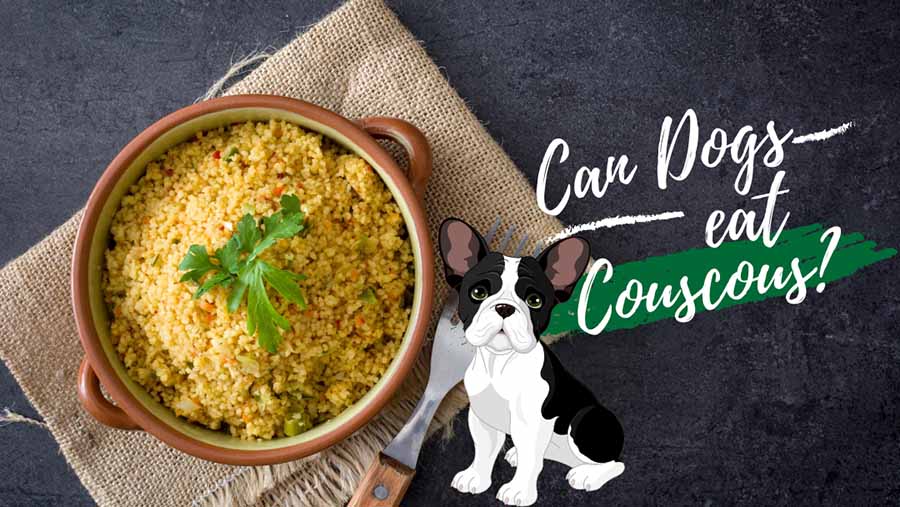
Can Dogs Eat Couscous? Everything You Need to Know

Couscous is a North African delicacy that is made from small balls of semolina flour. Interestingly, most people often mistake it for cooked grain, though through no fault of their own as it has a similar constitution. Couscous is, in fact, a type of pasta.

In addition to its unique taste, it is also straightforward to prepare, with the added caveat that it can be served with various stews and sauces. Despite originating from Africa, it is a dish widely enjoyed across the globe.

Since most people love it so much, it is only natural for them to wonder if their dogs can eat couscous as well. Here’s what we know.

Is Couscous good for dogs?

YES, your dog can munch on couscous a few times a week. It is a whole grain that is derived from wheat, or barley, thus providing your dog with numerous nutrients and minerals.

Off the top of the list are selenium and fiber, the latter of which will improve your dog’s digestive tract. Like everything else, however, dogs should not consume too much couscous. Experts say that it does not provide them with all the nutrients they’ll need to thrive.

Most pet owners will opt for lean meat alongside couscous, as it will help balance out their dog’s diet. Some people will even throw in a bit of Greek yogurt along with the couscous to make it more appealing to their furry friends.

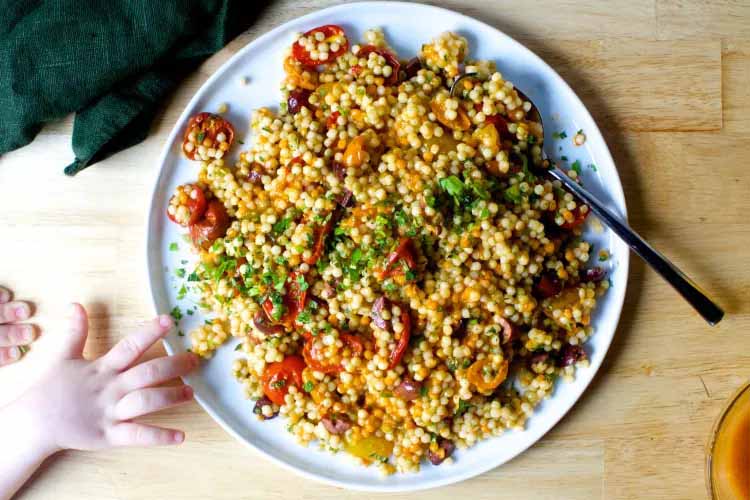
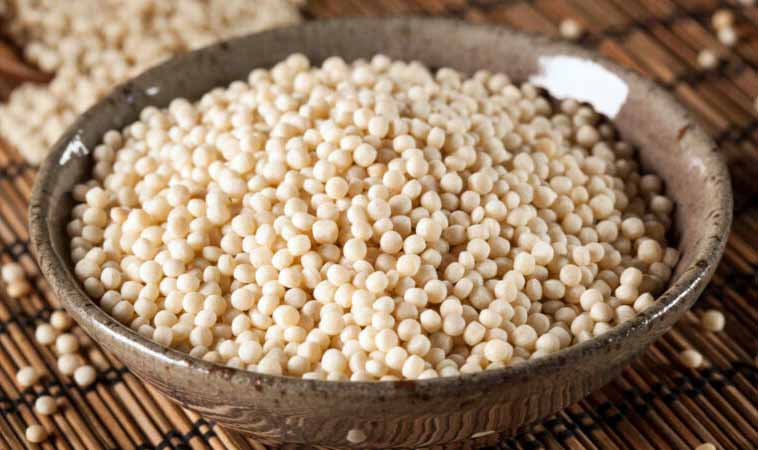
Image of Couscous
Couscous is good for dogs.

100 grams of Couscous contains:

Calories 112
Proteins 3.8 grams
Sodium 5 mg
Total Fat 0.2 grams
Sugar 0.1 grams
Potassium 58 mg
Total Carbs 23 grams
Iron 2%
Vitamin B6 5%
Magnesium 2%

How much Couscous Can your dog eat?

Most experts recommend starting off small, especially if your dog has never tried couscous before. The amount of couscous you let your dog eat will vary, depending on whether it’s just going to be an occasional treat or part of its regular diet.

On average, it’s advisable to offer a tablespoon of couscous for every 9 pounds of food you give your dog. Any more than this would be considered too much for them to handle.

Benefits of Couscous for your Dog.

As you can see from the detailed table above, Couscous contains a variety of minerals and vitamins. Selenium, which is one of the aforementioned minerals, plays a vital role in keeping your dog’s cells healthy and ensuring that they are fully functional. In addition to this, some studies even show that they can help prevent some forms of cancer.

Other than that, couscous is also a healthy treat for your dog. Because it is classified as wheat, it is additionally gluten-free. This means that it will not have any added ingredients that may prove toxic to pets. Moreover, it is a great source of plant-based protein, which will aid in your dog’s development.

A little bit of couscous will help keep your dog energized and active throughout the day. Lastly, because of all the vitamins prevalent in couscous, it often acts as an immune booster for your dog if given in moderation.

Risks related to feeding couscous to your dog

As with most meals, there are certain risks to navigate when offering couscous to your pet. To begin with, if consumed in large amounts, then your dog will get too much selenium into his system. Experts say this is a potential health hazard that will need to be addressed immediately. Another thing to be on the lookout for is allergies.

Some dogs are allergic to carbohydrates, especially ones with diabetes. If a diabetic dog gets his paws on some couscous, then they may experience symptoms like vomiting or even diarrhea.

Lastly, most people tend to prepare couscous with different spices and seasonings like salt, garlic, and onions. All three are considered hazardous to your dog’s health. They can not only cause serious stomach upsets, kidney problems, frequent urination, or even dehydration.

Image of prepared Couscous.
An unbalanced diet of Couscous can be dangerous for some dogs.

How to prepare couscous for your dog?

First off, you need to make sure that you use plain ingredients while avoiding spices in their entirety. Most people will opt to boil it for a couple of minutes before mixing it with either meat or vegetables.

Hope this article answers your curiosity about whether a dog can eat Couscous eat or not.

Can Dogs Have Teriyaki Chicken? Find Out

Teriyaki Sauce originates from Japan and is a loved recipe worldwide. People love this dish and often wonder if they can feed their dogs the same. So, is it okay for your paw friends to have Teriyaki Chicken? What about any other recipes, including the Teriyaki Sauce?

We have elaborated on the facts if dogs can have Teriyaki Chicken or not, so keep reading.

Can Dogs Have Teriyaki Chicken?

Let’s start with NO. Chicken is tasty and full of protein. They are also one of the dogs’ favorite foods. However, the compound becomes toxic and dangerous for dogs when Teriyaki is added. Let’s discuss why.

This dish has sodium in high amounts. It is not only unhealthy for dogs but is also toxic if taken in large quantities. The second ingredient in the Teriyaki Chicken is sugar. Problems like tooth decay, obesity, and diabetes can surface in your dogs if you expose them to sugar frequently.

Some Teriyaki uses Xylitol as a sweetening factor instead of sugar to make the product sugar-free. And you might think your pup can consume it then. However, Xylitol is extremely dangerous for dogs. It can result in liver failure and other severe symptoms like extreme diarrhea and vomiting in the worst cases.

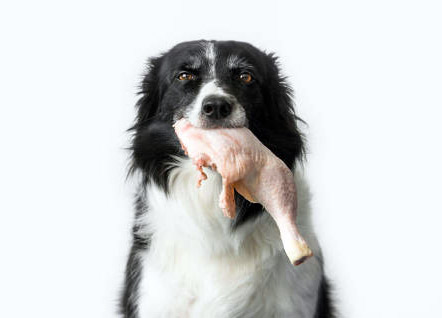
Image of dog holding raw chicken in the mouth

The westerners are famous for adding Garlic to their Teriyaki Chicken recipe. Garlic is also another toxic ingredient for dogs, although not as much as Xylitol. Garlic can result in oxidative damage, which affects the RBC of your pups. It can cause hemolytic anemia within a short time if taken in large amounts.

If your pup accidentally consumed Teriyaki Chicken in a moderate amount, you might notice vomiting and diarrhea for a few hours. This is normal, and you should be careful to keep the Teriyaki Chicken out of its reach in the future. However, if the consumed quantity is high, diarrhea and vomiting can be severe and will last up to 24 hours.

The best way to deal with this is to seek the help of a professional vet. Activated charcoal and a lot of fluids can relieve the symptoms of your pup and make it healthy again.

Image of Teriyaki Chicken
Teriyaki Chicken with vegetables

What About Feeding Your Dogs Recipes Involving Teriyaki Sauce?

First, let’s talk about how Teriyaki Sauce is made. It is a mixture of soy sauce, sake (or wine), and sugar (honey and Xylitol are some alternatives). Furthermore, in western areas, they also add garlic for extra flavor. These ingredients are boiled until the required thickness is attained. After that, the sauce is added to the meat which is then grilled or boiled.

Soy is renowned for inducing allergies in dogs. So, if your dog is allergic to foods, you should avoid any soy ingredients. If humans consume soy sauce in large amounts, it can lead to many health complications. Thus, the results can be even more severe to your fur friends. One of the ingredients in soy sauce is sodium. It is only safe in minimal quantities and thus not recommended.

Soy Sauce also contains too much salt, which can lead to salt poisoning in your dog. In addition, there is this chemical named ‘histamine’ which can be harmful. Another troubling ingredient in the Teriyaki Sauce is sugar. There are many cases of diabetic dogs due to the regular use of sugar. Not only this, but it can also result in periodontal disease.

Xylitol is a sugar alternative in the Teriyaki Sauce. You might think this will prevent your dog from diabetes, but this chemical is even more harmful. Even the smallest portion of Xylitol can be life-threatening for pups.

It causes a rapid and massive drop in blood sugar. In worst cases, your dog can experience seizures and liver failure. Some also use honey as a sugar alternative. It is relatively safer for dogs.

Finally, there is garlic. It is known to cause oxidative harm to your pet. The bottom line is that Teriyaki Sauce should be avoided at all costs.

Teriyaki Pork

Pork is amazing for the growth and nutrition supply to your pup. It is tasty and full of protein that helps maintain healthy fur, skin, and nails. However, when marinated in Teriyaki Sauce, pork also becomes an unhealthy diet for your dog.

Due to the harmful ingredients in the Teriyaki Sauce, it is better to serve your pup with natural pork rather than embellishing it with the sauce.

Teriyaki Beef Jerky

Anything that has Teriyaki on it should never be fed to your dog. In addition, beef jerky can also have some nasty compounds depending on the ingredients.

If the beef jerky is homemade and you haven’t added anything that could affect your dog, it can be safe. However, artificially produced beef jerky should be avoided.

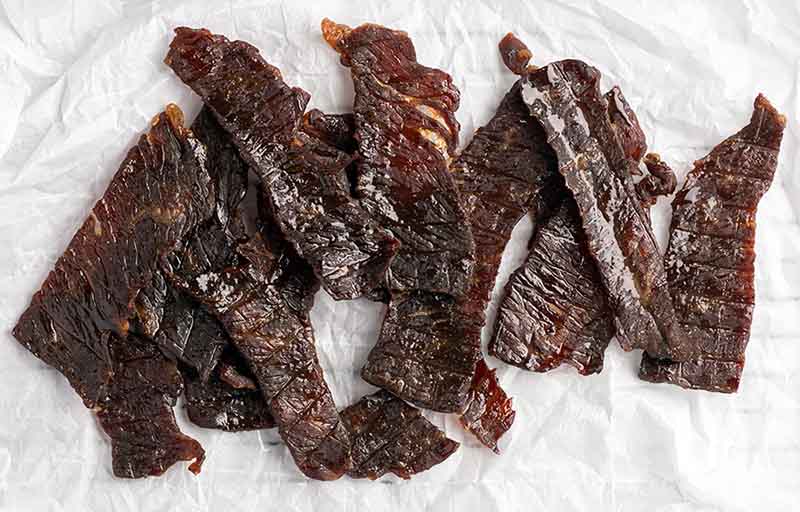
Image of teriyaki beef jerky
Teriyaki Beef Jerky

Conclusion

Even though meat is a crucial part of a dog’s diet, you should never use it with Teriyaki sauce. When consumed in small amounts, the dog may show signs of vomiting and diarrhea. This subsides in a few hours and does not require expert help. However, if your dog eats the teriyaki ingredients in large amounts, you should rush it to the emergency ward.

Summary Table

Items Remarks
Teriyaki Sauce Not safe to feed your dog.
Teriyaki Chicken Not safe.
Soy Sauce May induce allergies. Not safe as it contains Sodium, Histamine, and a lot of salt.
Sugar It May cause diabetes and periodontal disease.
Xylitol Extremely dangerous.
Garlic Oxidative damage.
Honey Relatively safe but only in moderation.
Teriyaki Pork Not safe.
Teriyaki Beef Not safe.
Beef Jerky It depends on the ingredients used while making jerky.

We assume you got enough insights on whether dogs can have Teriyaki Chicken or not from this article in order to keep your dog safe.

Can Dogs Have Condensed Milk? Know Before you Feed.

As dog owners, it is crucial for you to know what you can or cannot feed your dog. Thanks to the biological differences, not everything edible to humans can be eaten by dogs and vice versa.

Dog owners ask if their dogs can have condensed milk all the time. In addition, we have seen queries regarding other milk and dairy products. As a rule of thumb, if your dog is lactose intolerant, any form of milk should be strictly avoided. In other cases, you can feed most of the milk variants.

Thus, this article summarizes well-researched information on the types of milk dogs can and cannot eat. Let’s dive in.

Can Dogs Have Condensed Milk?

The short answer is ‘yes.’ However, condensed milk is sweetened. They are also full of nutrients and calories. Thus, if you regularly feed condensed milk to your dog, it might encounter some health problems.

Firstly, there is the risk of tooth decay due to the sweetness. And then there is the risk of obesity due to too many calories. If you have a lazy dog who does not run and exercise often, it is better to keep it away from heavy calories and a nutritious diet. So, if it is on rare occasions, you can definitely treat your pup with some condensed milk.

A dog owner made a query in justanswer.com. Her problem was that her pup drank an entire can of condensed milk. In reply to the query, Dr. Elaine mentioned that eating a can of condensed milk isn’t necessarily a health hazard. However, due to the sweetness factor of the whole can, the dog might experience diarrhea.

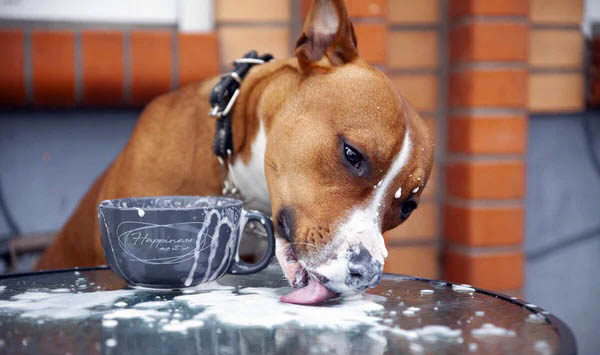
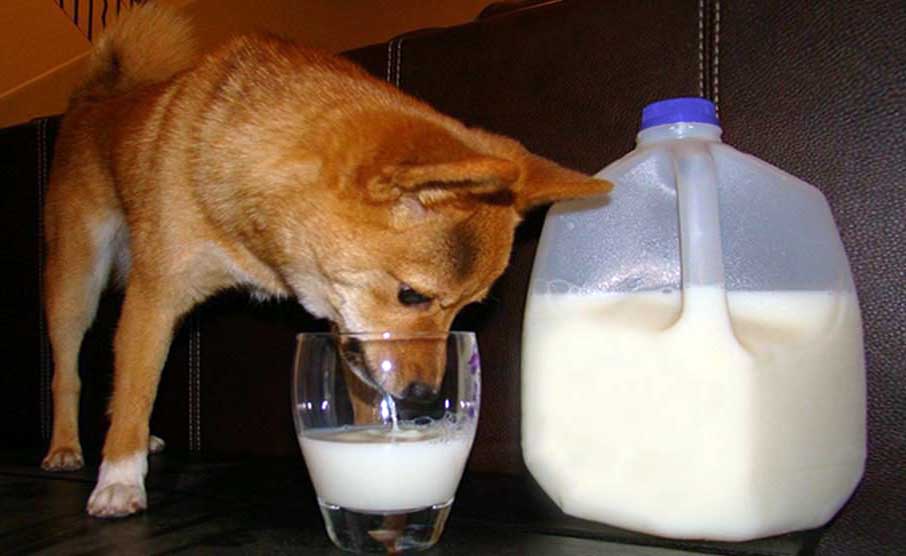
Image of dog drinking milk

As a result, Dr. Elaine suggests that you should give some bland food to your dog if it consumes excess condensed milk. Refraining from solid food and giving it only water overnight is also a good option. If severe diarrhea develops, it is best to consult a professional.

What About Coconut Milk?

Coconut milk is edible for dogs and beneficial when eaten in moderation. The main advantage of eating coconut milk is that it makes the dog’s fur soft. In addition, dogs love the product.

Can You Feed Your Dog Soy Milk?

We take a neutral ground in this one. Soy is irritating to many dogs as it is among the primary food allergens. Thus, if your dog is allergic to any food, chances are it will hate soy milk.

Furthermore, this milk is high in calories. The artificial and industrially produced soy milk also has added sugars. Thus, feeding them frequently can result in tooth decay. The bottom line is that if your pup loves soy milk, you can feed it occasionally in moderation.

Almond Milk Can Be Risky!

Almonds are nutritious nuts/seeds. They are also one of the top plant-based milk. And if the milk is natural and homemade, it wouldn’t hurt to treat your dog with some of its goodness.

However, artificial and industrially produced almond milk can be extremely dangerous for your dog. Many doctors think that it can be life-threatening. In artificial almond milk, a compound name ‘Xylitol’ is found.

And this compound is toxic to dogs in general, which can cause several health problems or go beyond. Thus, artificial almond milk should be avoided at all costs if you care for your pup.

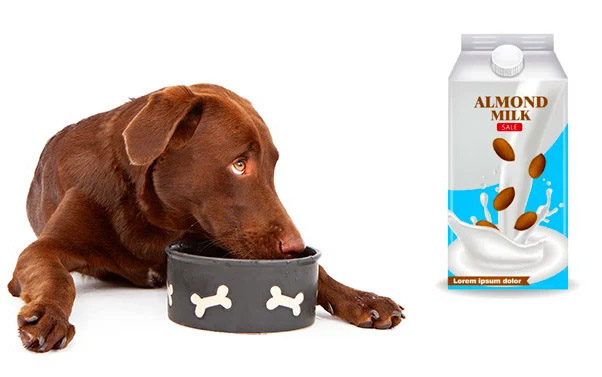
Image of dog with almond milk
Almond milk is harmful to dogs.

What About Cow and Goat Milk?

According to Healthline, Cow milk has the highest fat of all. We all know what this means. The high-fat content can bring out some problems in your dog, like obesity and pancreatitis. It also has a natural sweetness factor and is not easily digestible.

However, dogs love cow’s milk the same way humans do. And it is perfectly fine to treat them occasionally without establishing a habit. Furthermore, if your dog looks like it needs some fat and nutrients, you can definitely feed it more often.

Goat milk is similar to cow’s milk except for the fact that it has less fat. Furthermore, it is also easily digestible. Thus, we prefer feeding pet dogs with goat milk rather than cow milk.

Milk Compatibility Table for Dogs

Condensed Milk Edible in moderation. It can cause diarrhea if given in excess.
Coconut Milk Healthy for dogs.
Soy Milk Causes allergic reactions in many dogs.
Almond Milk Safe if homemade.
Artificial Almond Milk It contains ‘Xylitol.’ Dangerous!
Cow Milk High-Fat Content. It May cause obesity.
Goat Milk Better than Cow milk for dogs.

Hope this article answers your question about whether or not dogs can have condensed milk.