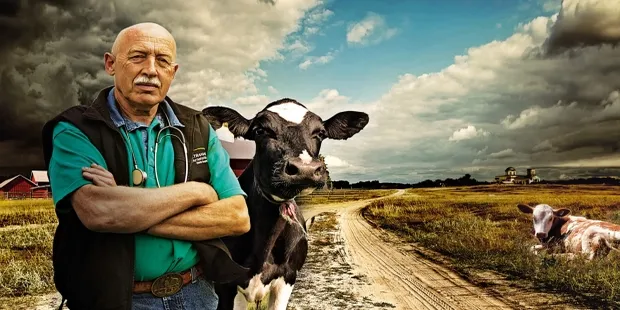
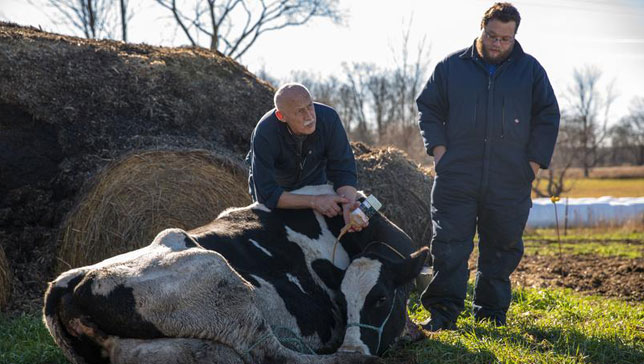
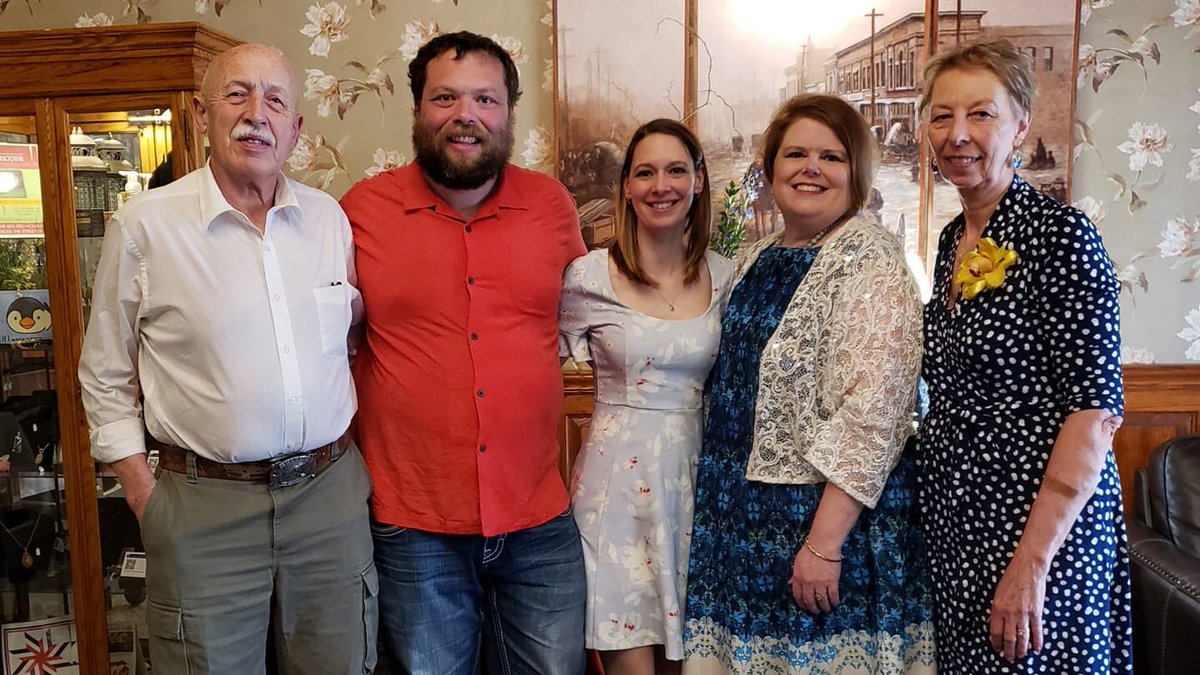
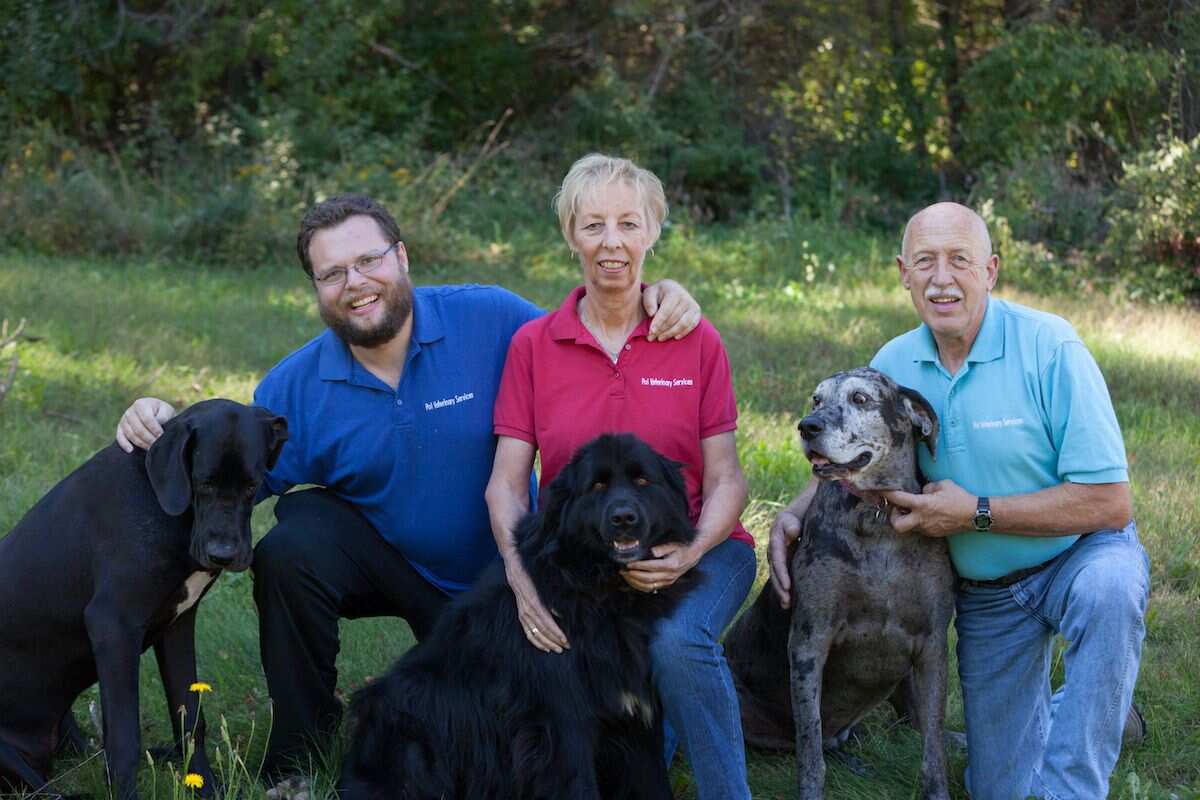
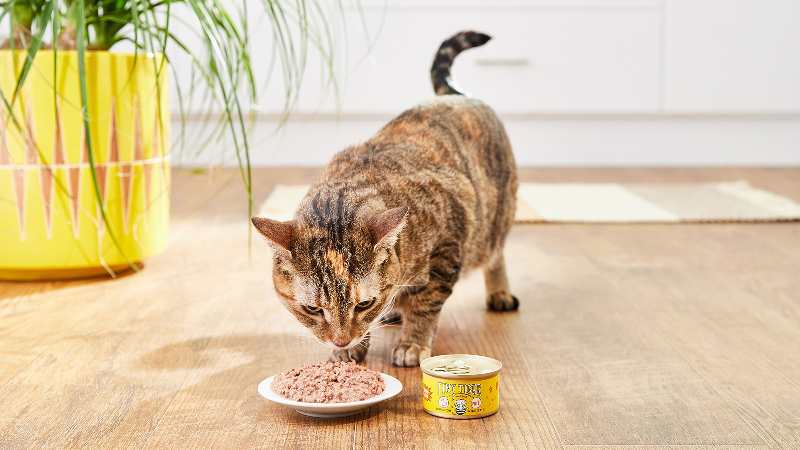
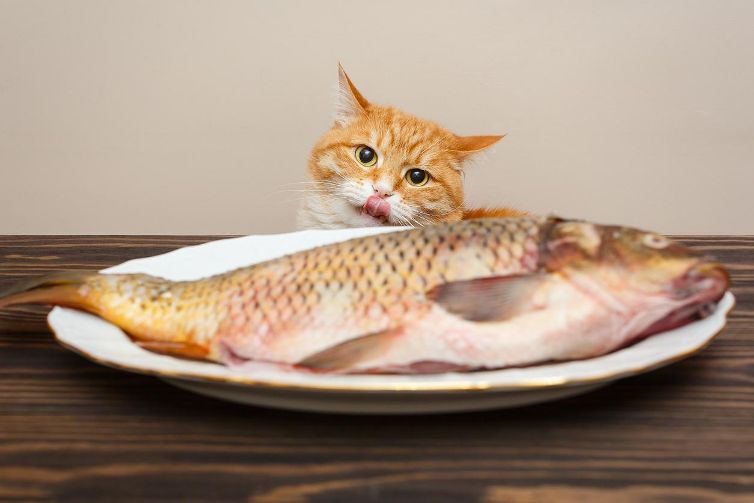
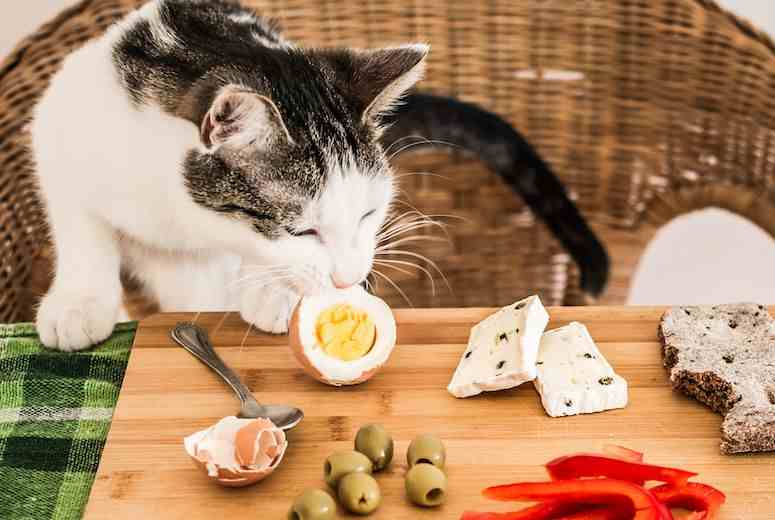
Charles and Dr. Pol Has a New Announcements to make.

Dr. Pol, a leading figure in veterinary medicine, continues to innovate in the realm of pet care with his latest offerings under the comprehensive category of “Wound Care.” This collection includes a range of essential products designed to address various aspects of wound management and healing.

From soothing eye drops formulated to alleviate irritation and cleanse the delicate ocular area, to an advanced ear solution crafted to maintain optimal ear health, Dr. Pol’s commitment to pet well-being shines through.

Additionally, the lineup features a wound spray and gel, each tailored to provide targeted relief and promote healing for a variety of wounds. With these meticulously developed solutions, Dr. Pol empowers pet owners to proactively care for their furry companions, ensuring they receive the highest standard of care for any wound-related concerns.

Dr. Pol’s Wound Spray

At first glance, one might wonder what sets Dr. Pol’s Wound Spray apart from conventional treatments. The answer lies in its unique formulation. Unlike traditional disinfectants, this spray harnesses the power of hypochlorite active ingredients, boasting a 1% concentration coupled with a pH of seven.

This equilibrium renders the solution neutral—a crucial aspect that prevents damage to the wound’s surfaces. Dr. Pol’s emphasis on neutrality ensures that the healing process remains undisturbed, allowing for optimal recovery.

Moreover, the Wound Spray’s multifaceted benefits extend beyond mere disinfection. By promoting blood flow and facilitating healing, it accelerates the recuperative process, offering relief to pets in distress.

What’s truly remarkable is its safety profile. Dr. Pol assures pet owners that even if their beloved companions inadvertently ingest or lick the spray, there’s no cause for concern. This unparalleled level of safety underscores Dr. Pol’s commitment to crafting products that prioritize both efficacy and pet well-being.

A notable feature of Dr. Pol’s Wound Spray is its versatility. Available in liquid form, it caters to a wide range of wound types and conditions. Whether addressing fresh wounds or tending to older injuries, this product proves indispensable. Additionally, Dr. Pol offers a gel variant, providing pet owners with options tailored to their pets’ specific needs.

For instance, the gel is ideal for older wounds or human application, while the water gel variant is better suited to fresher injuries. Regardless of the choice, both variants function with the same level of efficacy, ensuring consistent results across the board.

In essence, Dr. Pol’s Wound Spray transcends the boundaries of conventional pet care. It represents a paradigm shift—a testament to Dr. Pol’s unwavering dedication to innovation and excellence.

With its potent formulation, unparalleled safety, and versatility, this spray stands as a beacon of hope for pet owners worldwide. By entrusting their pets’ well-being to Dr. Pol’s expertise, they embark on a journey toward healthier, happier companionship—one spray at a time.

Eye Drop

At the core of Incredi-Pol Eye Drops lies an advanced cleaning and flushing formula. Specifically designed to gently cleanse and flush away irritants and debris, these drops provide unparalleled relief from discomfort caused by foreign particles. Whether it’s dust, pollen, or minor irritations, these drops work swiftly to soothe your pet’s eyes, offering much-needed respite from itching and irritation.

What sets Dr. Pol’s Incredi-Pol Eye Drops apart is their user-friendly design. Housed in a convenient dropper bottle, these drops allow for precise application directly to your pet’s eyes, eliminating the hassle often associated with administering eye care products.

Alternatively, they can be applied to a cotton pad for gentle wiping, effectively removing tear stains and gunk from around the eyes—a testament to Dr. Pol’s commitment to ease of use and efficacy.

Safety is paramount when it comes to our pets, and Dr. Pol understands this implicitly. That’s why Incredi-Pol Eye Drops are formulated with gentle, non-irritating ingredients, ensuring a comfortable experience for pets of all sizes and breeds. Say goodbye to stinging and discomfort—Dr. Pol’s eye drops prioritize your pet’s well-being above all else.

Beyond mere eye care, Dr. Pol’s Incredi-Pol Eye Drops are a testament to his unwavering dedication to the health and happiness of animals. Manufactured with the finest ingredients, these drops support your pet’s overall health and well-being, ensuring they lead happy, fulfilling lives. With Dr. Pol’s Incredi-Pol Eye Drops, your pet’s eyes are in safe, caring hands—empowering you to provide them with the best care possible, one drop at a time.

Is Dr. Pol Suffering Herniated Disc? Fact Check

In the serene landscapes of the Netherlands, young Jan Pol found himself amidst a menagerie of farm animals. As the youngest of six children, his childhood was marked by the daily presence of dairy cows, sheep, pigs, chickens, geese, turkeys, rabbits, loyal dogs, and majestic Friesian horses. This immersive experience in animal care ignited a lifelong passion within him. It was at the tender age of 12, when he lent a hand in the delivery of a litter of piglets on his family’s dairy farm, that Jan Pol knew he was destined to become a veterinarian. Little did he know that this simple yet profound moment would shape the course of his life and lead him to become one of the most beloved figures in the world of veterinary medicine.

A significant turning point in Jan Pol’s life occurred during a year-long study abroad program in high school when he set foot on American soil in Mayville, Michigan. It was there that he not only discovered the vast opportunities awaiting him but also encountered a young woman named Diane, who would later evolve from a friend to a beloved partner. Their friendship blossomed into love, and in the journey of life, Diane became his steadfast companion. The love story between Jan and Diane has withstood the test of time, as the couple now proudly celebrates over 50 years of marriage.

With dreams of becoming a veterinarian, Jan Pol embarked on an academic journey that would shape his career. In 1970, he graduated from the prestigious Utrecht University Veterinary program, earning the credentials that would one day make him a renowned figure in the field.

The next year, in 1971, he took a bold step by immigrating to the United States. The land of opportunity beckoned, and Dr. Pol answered the call with unwavering determination and a commitment to making a difference in the world of veterinary medicine.

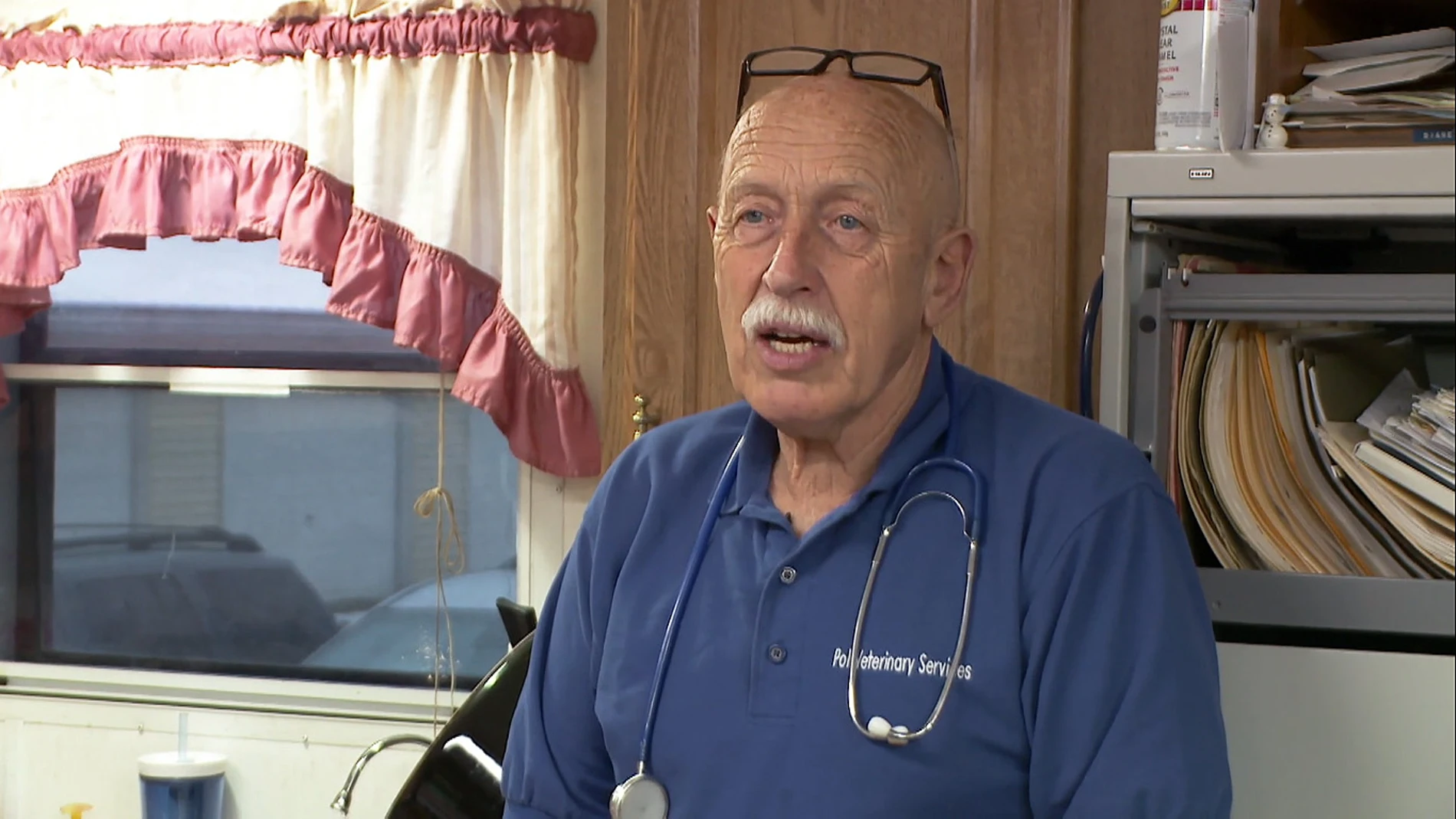
Ten years into his career in the United States, working alongside a local veterinarian, Dr. Pol’s ambitions began to take root. Eager to carve his path in the world of animal care, he and his wife Diane made a momentous decision. In 1981, they relocated to Weidman, Michigan, a picturesque rural setting that would become the backdrop for their dreams. It was here that Dr. Pol founded Pol Veterinary Services, starting his practice in the most humble of settings: his own garage. With a practical, down-to-earth approach to veterinary medicine and a deep love for animals, Dr. Pol’s clinic began to thrive.

Over the years, his dedication to his craft and the well-being of animals garnered attention, and his practice grew exponentially. Today, Dr. Pol and his dedicated clinic staff proudly serve a clientele of over 25,000 individuals. Their enduring commitment to providing top-notch veterinary care to rural Michigan communities has allowed Dr. Pol to fulfill his lifelong dream. With 38 years of dedicated service and a heart brimming with love for animals, Dr. Pol’s journey continues to be an inspiration to both his colleagues and animal lovers worldwide.

The Incredible Dr. Pol Show

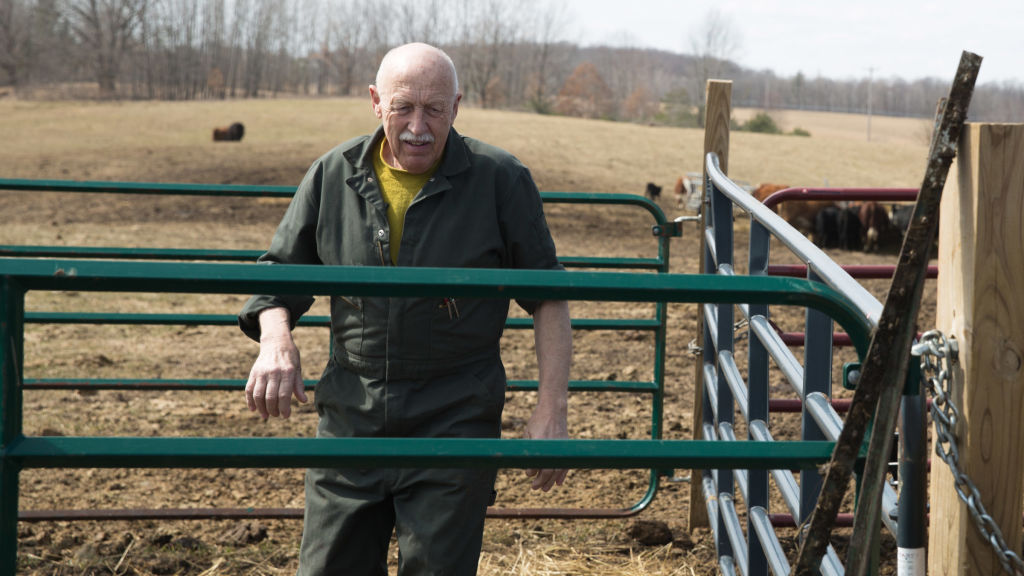
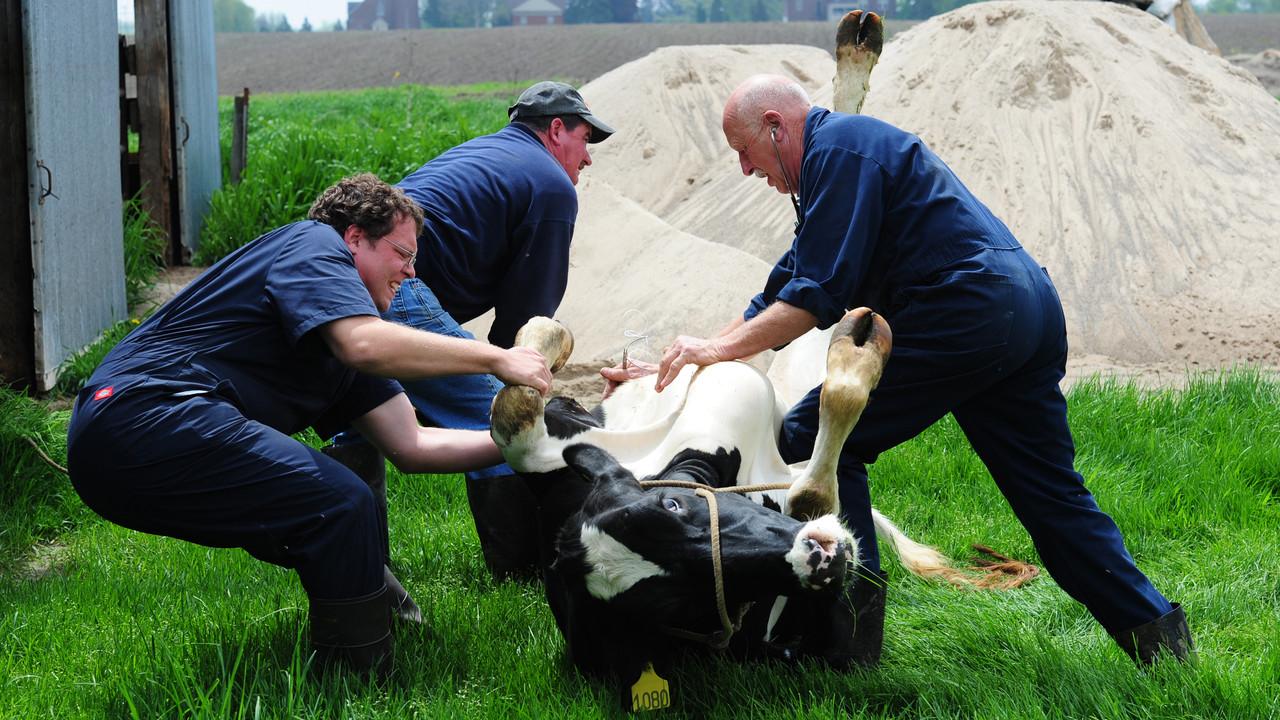
“The Incredible Dr. Pol” is a highly popular American reality television show on Nat Geo Wild, featuring Dutch-American veterinarian Jan Pol and his family and staff at their veterinary practice in rural Weidman, Michigan. The series first aired on October 29, 2011, and follows a unique format with two seasons each year. Dr. Pol, pleasantly surprised by the show’s immense success, attributes its broad appeal to viewers of all ages and backgrounds. He acknowledges his son Charles, who serves as the series producer and effectively pitched the show to National Geographic. According to Dr. Pol, the show is unscripted and genuinely captures the realities of their work, thanks to Charles’ advice to focus on their veterinary practice rather than performing for the camera.

Dr. Pol had his Anlke replacement Surgery back in 2019, but now there’s new rumors about his herniated Disc problem.


Dr. Pol’s Illness Fact Check

A rumor has been circulating recently, suggesting that Dr. Jan-Harm Pol, the renowned veterinarian from Weidman, Michigan, is dealing with severe back pain and a herniated disc. According to this website eceleb-gossip.com, Dr. Pol has been sufferring from the lower back pain and the diagnosis revealed the Disc problem. The source of this information claims to be close to Dr. Pol. It has sparked concern among the community who deeply admire the doctor for his tireless work in caring for animals.

A herniated disc, also known as a slipped or ruptured disc, is a spinal condition that occurs when the soft, gel-like interior of an intervertebral disc pushes through a crack or tear in the tough, outer layer of the disc. These discs act as cushions or shock absorbers between the vertebrae (the bones that make up the spine) and provide flexibility and mobility to the spine. When a disc herniates, it can put pressure on nearby nerves or the spinal cord, causing various symptoms and discomfort.

Symptoms: The symptoms of a herniated disc can vary depending on the location and severity of the herniation. Common symptoms include:

  1. Pain: Typically, herniated discs cause localized pain in the back or neck, but if the herniated material presses on a nerve, it can lead to radiating pain in the arms or legs.
  2. Numbness or Tingling: Patients might experience numbness or tingling in the body part served by the affected nerve. For instance, a herniated disc in the lower back can cause numbness or tingling in the legs.
  3. Muscle Weakness: Weakness in the muscles served by the affected nerve can occur. This may manifest as difficulty lifting objects or foot drop (inability to lift the front part of the foot).
  4. Changes in Reflexes: In some cases, reflexes may be affected, with decreased or exaggerated reflex responses.
  5. Loss of Bowel or Bladder Control: In severe cases, particularly in the lumbar region, a herniated disc can lead to loss of bowel or bladder control. This is a medical emergency and requires immediate attention.

Causes: Herniated discs often result from the natural aging process, but they can also occur due to other factors, including:

  1. Wear and Tear: As people age, the intervertebral discs lose water content, making them less flexible and more prone to herniation.
  2. Sudden Injury: Trauma or injury to the spine, such as a fall or lifting a heavy object improperly, can lead to disc herniation.
  3. Genetics: Some people may have a genetic predisposition to disc problems.

Treatment: Treatment for a herniated disc can vary depending on the severity of the condition and the specific symptoms. Common treatment options include:

  1. Conservative Management: Many cases of herniated discs can be managed without surgery. This typically involves rest, physical therapy, pain medication, and anti-inflammatory drugs to reduce inflammation and relieve pain.
  2. Epidural Steroid Injections: In some cases, a doctor may recommend epidural steroid injections to reduce inflammation around the affected nerve, providing relief from pain and discomfort.
  3. Physical Therapy: Physical therapy can help improve strength, flexibility, and posture, which can aid in the recovery process.
  4. Surgery: In cases where conservative treatments are ineffective or when there is significant neurological deficit, surgical intervention may be necessary. The most common procedure is a discectomy, where the herniated part of the disc is removed.
  5. Lifestyle Changes: Lifestyle modifications such as maintaining a healthy weight, practicing good body mechanics, and avoiding activities that exacerbate symptoms can help prevent future disc issues.

It’s important to consult a healthcare professional if you suspect you have a herniated disc, as they can provide an accurate diagnosis and recommend an appropriate treatment plan tailored to your specific condition.

Dispelling the Rumor: Dr. Pol’s Good Health

However, upon further investigation, it has been revealed that there is no truth to the rumor about Dr. Pol’s illness. Dr. Pol remains in good health and continues to provide care for animals in his clinic and throughout his community. The information about his back pain and herniated disc appears to be unfounded and unsubstantiated.

Dr. Pol’s dedication to his patients and his passion for veterinary medicine remain as strong as ever. He is as active and committed to his work as he has always been, and there is no evidence to suggest that he is suffering from any medical condition at this time.

Dr. Pol’s Illness Rumor in a Line of Celebrity Health Speculations

Rumors about the health and even death of celebrities are not uncommon. In the world of fame and notoriety, false reports and speculations can quickly gain traction. Dr. Pol’s recent illness rumor is just one example in a long history of unfounded celebrity health rumors. Here are a few notable instances where celebrities have had to confront such speculations:

  1. Morgan Freeman: Stroke SpeculationsIn 2008, rumors circulated that the acclaimed actor Morgan Freeman had suffered a stroke. However, Freeman’s spokesperson soon clarified that he had undergone elective surgery for a hand injury and was not in poor health.
  2. Paul McCartney: False Reports of DeathIn the late 1960s, rumors ran wild that one of The Beatles, Paul McCartney, had passed away. The “Paul is dead” hoax included supposed hidden messages in song lyrics and album covers. McCartney is very much alive and continues to make music.
  3. Betty White: Consistent Death RumorsBeloved actress Betty White has faced numerous death hoaxes over the years. Despite these false reports, she remains active and well into her golden years, proving that she’s far from retiring from the public eye.
  4. Bill Nye: Internet Death HoaxThe internet has been a breeding ground for celebrity death hoaxes, and Bill Nye “The Science Guy” fell victim to one in 2017. He promptly responded on social media to assure his fans that he was alive and well.
  5. Jeff Goldblum: Rumors of a Tragic FallIn 2009, rumors circulated that actor Jeff Goldblum had tragically fallen to his death while filming a movie in New Zealand. However, this was entirely false, and Goldblum was unharmed.

These instances highlight the prevalence of baseless rumors about celebrities’ health and well-being, often fueled by the public’s fascination with the lives of the rich and famous. It’s essential to rely on verified information and credible sources when assessing the health status of any public figure.

Dr. Pol is Color Blind. 15 Facts you probably didn’t know about The Incredible Dr. Pol.

Dr. Jan-Harm Pol, affectionately known as “Dr. Pol,” is a name synonymous with compassionate veterinary care and heartwarming television entertainment. Born in the Netherlands, Dr. Pol’s journey has taken him from a dairy farm in his homeland to the rural landscapes of Michigan, where he has become a beloved figure in the world of animal medicine.

With a warm smile, a down-to-earth demeanor, and an unwavering commitment to the welfare of animals, Dr. Pol has captured the hearts of millions of viewers worldwide. His life and career are a testament to the power of dedication, love for animals, and the indomitable spirit of a veterinarian who continues to touch lives, one paw at a time.

Here are some Facts You didn’t know about Dr. Pol

1. Birth and Origin: Dr. Jan-Harm Pol was born in Wateren, Drenthe, Netherlands, on September 4, 1942. This humble beginning played a significant role in shaping his passion for animals and veterinary medicine. He is currently 81 years old, with a long and distinguished career in the field.


2. Educational Background: Dr. Pol pursued his higher education at Utrecht University, where he obtained his degree in veterinary medicine. This educational foundation provided him with the knowledge and expertise he needed to become a successful veterinarian.


3. Marital Life: In 1967, he married Diane Dalrymple, his high school sweetheart. Their enduring partnership has been a pillar of support throughout his professional journey, and they’ve faced life’s challenges together.


4. Children: Dr. Pol and Diane have three children – Kathy, Charles, and Diane Jr. Their decision to adopt these children showcases their commitment to providing a loving home for those in need.


5. Early Farm Life: Growing up on his family’s dairy farm in the Netherlands exposed Dr. Pol to the world of agriculture and animals from a young age. This early life experience instilled in him a deep love for animals.


6. Exchange Student: During his youth, Dr. Pol was an exchange student in the United States. It was during this time that he met Diane, who later became his wife. Their meeting marked the beginning of a lifelong journey together.


7. Professional Journey: After completing his veterinary degree, Dr. Pol and Diane moved to Harbor Beach, Michigan, where he spent a decade working in a veterinarian practice. This period was instrumental in shaping his practical experience and knowledge.


8. Pol Veterinary Services: In 1981, Dr. Pol made the pivotal decision to establish Pol Veterinary Services in Weidman, Michigan. His clinic provided a crucial resource for animals in rural areas that lacked access to veterinary services.

9. Advocacy: Dr. Pol’s passion for the welfare of animals extended beyond his clinic. In 2013, he testified before the Michigan House of Representatives, advocating for legislation that aimed to protect individuals from investigations based on information from reality TV programs. This act reflected his commitment to ethical practices in the field.


10. License Controversy: In 2014, Dr. Pol faced a legal challenge when he was fined $500 and put on probation by the Michigan Board of Veterinary Medicine for not wearing the proper surgical attire during a procedure. While initially penalized, the sentencing was later overturned by the Michigan Court of Appeals, recognizing the absence of evidence of a breach of the standard of care.


11. Honorary Doctorate: His contributions to public service were officially recognized in 2013 when Dr. Pol received an honorary doctorate of public service from Central Michigan University. This recognition underscored the positive impact of his work on both animals and the community.


12. Family: Dr. Pol and Diane demonstrated their commitment to family by adopting three children. This not only highlights their dedication to providing loving homes but also their willingness to support and care for children in need.

13. Kathy Pol: Their daughter Kathy Pol was raised on a farm in Michigan, where she learned about animal care from a young age. Her career as a Phlebotomist in McLaren Bay Region showcases the family’s commitment to healthcare and their deep-rooted connection to the medical field.


14. Diane Louise Pol: Diane Jr., the eldest child in the Pol family, was entrusted to the Pol family when her biological mother faced a tragic illness. The family embraced her, and she officially became a part of their loving household. This act exemplifies their open hearts and their commitment to family bonds.


15. Charles Pol: Charles, the youngest of the Pol family, grew up working alongside his father from a tender age, aiding with veterinary care and learning about animals. Despite his early involvement in the family clinic, he pursued a career of his own, encouraged by his parents.


16. Dr. Pol is color blind, which means he has difficulty distinguishing between certain colors. This condition poses a unique challenge in his profession, as accurate color differentiation is sometimes crucial for diagnoses and treatment. In situations where color plays a significant role, he relies on his skilled colleagues, such as Dr. Brenda Grettenberge, to ensure accurate and precise care for his animal patients. Despite this challenge, Dr. Pol’s dedication to his work remains unwavering, and his reliance on his team’s expertise exemplifies his commitment to providing the best possible care for animals.

How Often Should I Take My Dog to the Vet? Answered!

Dogs need regular health checkups to ensure that they have sound health. A medical checkup is just as important as controlling their diet and exercise.

At each stage, dogs have different veterinary needs like vaccinations, booster doses, and checks for specific diseases. American Animal Hospital Association (AAHA) states that you must take your pet to a vet at least once a year.

The time interval between vet checkups depends on many factors, such as age, breed, health conditions, and many more. This article provides detailed information on how often you should take your dog to the vet.

It covers dogs from puppies to seniors, and also the vaccination they need. In addition, it also discusses when to take the dog to the emergency ward.

How Often Should You Take Your Puppy to the Vet?

If you have a puppy, you need to visit the vet more often than you’d like. They need a lot of vaccinations on top of proper health care.

Puppy owners should visit the vet at least once a month. It is crucial to get all the vaccinations to stay away from diseases.

Furthermore, fleas and heartworms are dangerous for puppies. Thus, the vet also performs regular tests for these diseases.

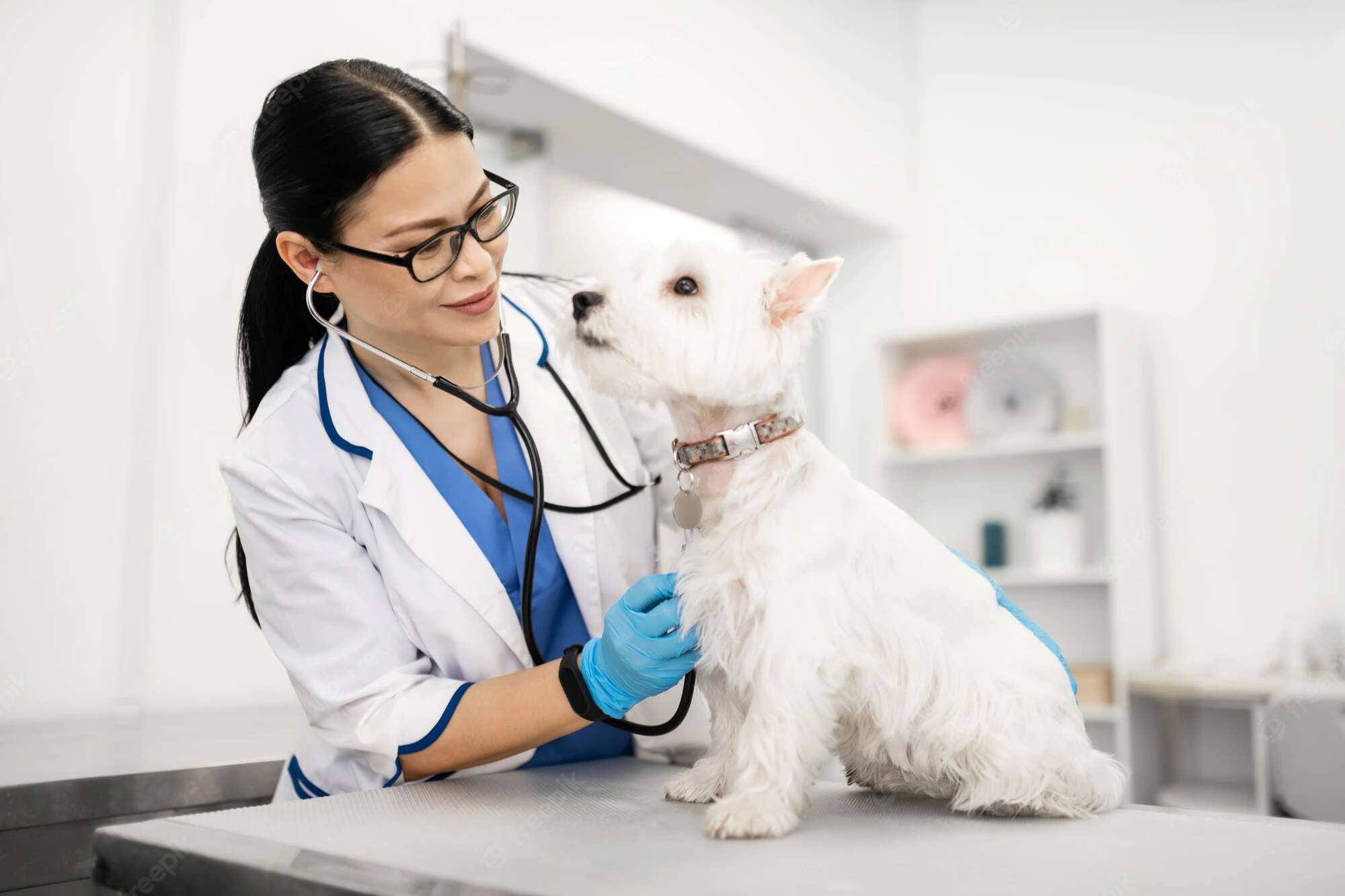
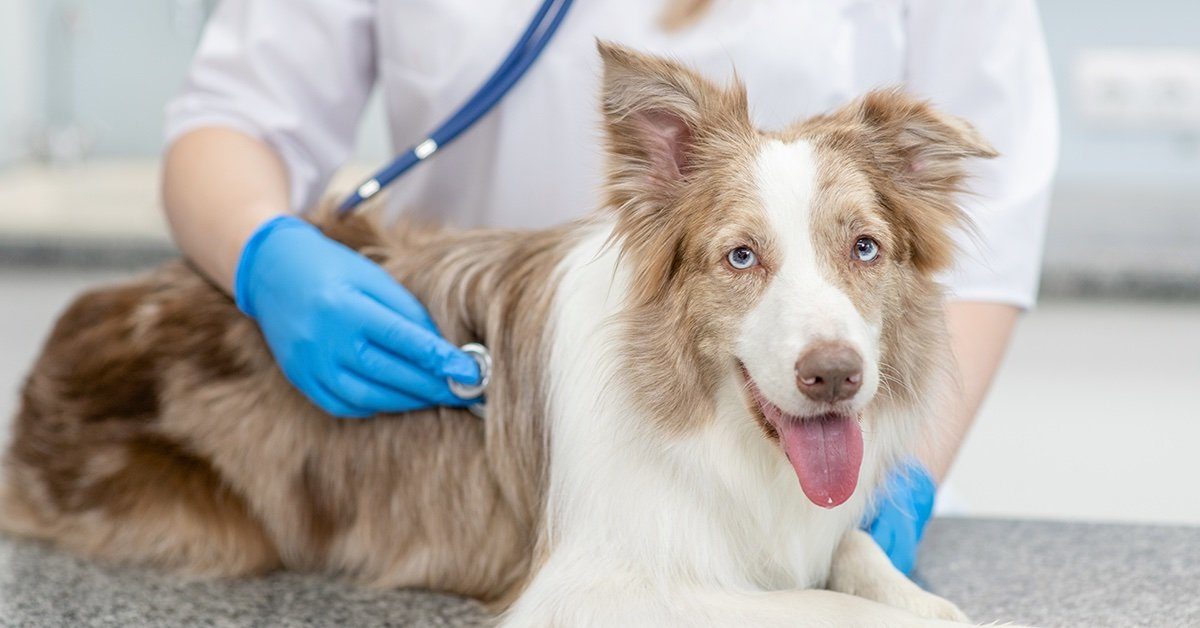
Image of Vet and Dog

Puppies also need to be neutered (male) or spayed (female) when they reach six months of age. During this visit, professional vets also check the growth of the puppy and its socialization skills.

They also test how well the puppy is trained and its housebreaking capabilities. In the case of puppies, vaccinations are why you need to visit the vet frequently. Shots for rabies, influenza, and distemper are a must.

There are also additional vaccines for kennel cough and Lyme disease. Puppies are prone to diseases and infections.

It is important to look after their diet, eating habits, and obedience. If you want a well-trained and healthy dog, you must raise and care for it well.

How Often Should You Take Your Dog to the Vet?

New dog owners always stumble upon the question, how often should I take my dog to the vet? If your dog doesn’t have any previous health complications, a visit once a year to the vet should suffice. Any dog that has lived for 12 months is considered an adult.

At this point, healthy dogs are well-grown and trained. They do not need constant checkups and tests and are pretty resistant to diseases.

Adult dogs need yearly checkups, which include blood tests and stool tests. Your dog is completely examined from head to toe.

In addition, vets also check for parasites and heartworms. This ensures that your dog is in sound health. In worst cases, where the vet finds problems or symptoms in your dog, they arrange for additional tests and treatment.

Dogs also need booster shots of the vaccines they took as a puppy. Most shots are annual or once in three years.

Thus, if you have an adult dog, you have to take it to the vet once a year. This excludes any emergency health problems.

Dogs have different resistance to diseases depending on their breed, gender, age, and weather conditions. Thus, aside from regular checkups, you should also be careful about specific diseases.

How Often Should You Take Senior Dogs to the Vet?

After the robust and strong adult phase, dogs enter the senior phase. This is a dog between the age of 7-10 years.

At this point, it faces many health concerns and isn’t as immune. However, the frequency of visits to the vet for senior dogs is still less than that of puppies.

Image of dog

Lowa Veterinary Medical Association thinks that it is essential for senior dogs to visit the vet at least twice a year. These visits will perform thorough physical tests on the dog.

The vet will also check for any symptoms and parasite signs. Some specific diseases which are common in senior dogs will also be examined.

When should you make Emergency Visits to the Vet with your Dog?

How do you know if your dog needs emergency vet assistance? Start with the symptoms. Is your dog acting abnormally?

Did it something harmful or toxic? Is it showing signs of discomfort, diarrhea, or appears sick? A proper analysis of the situation will help you examine if your dog needs immediate help.

The good idea is to look up online vet doctors and talk to them over the phone or by mail. Once you convey your dog’s symptoms, the vet can guide you precisely over the phone.

How To Potty Train your cat? Easy Ways to Litter Train your Kitten.

Cats are one of the smartest creatures in the animal kingdom. And if you got a new cat, it becomes a necessity to potty train it. As a parent, you might be going amok on how to teach it. Nonetheless, it is so simple that everyone can do it. Here are different steps to potty train your cat.

Most of the kittens come into new homes with prior knowledge of using a litter box. Their strong instinct to bury the evidence after committing a deed also helps them out in the process.

Nonetheless, a new parent can follow these simple steps to embed good bathroom habits onto their cats.

Things You’ll Require

While potty training your kitty, a few supplies will come in handy:

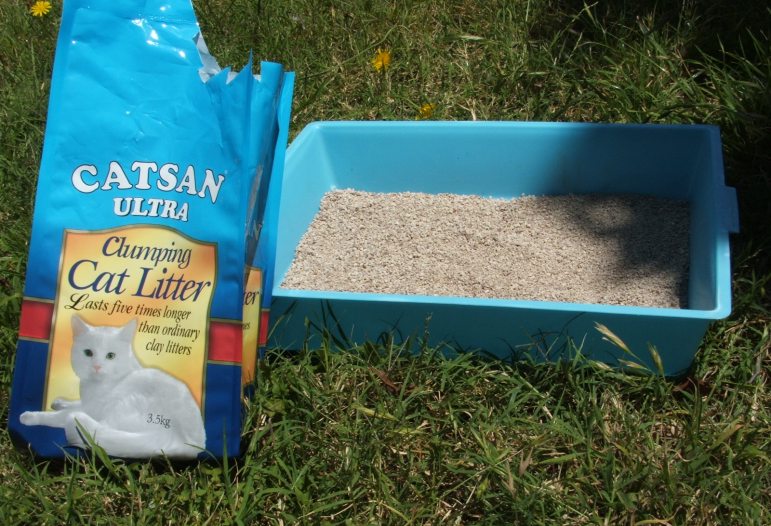
Image of Kitty Litter

  • Litter boxes: Cats feel comfortable addressing nature’s call in a private place. So, you might want to place the litter box in an area that offers privacy and is easy to access. Whatsmore, having more boxes than the cats using it is a good idea.
  • Kitty Litter: There are a lot of options in this aspect, from inexpensive non-clumping clay litter to high-end ones. Cats usually aren’t picky about the kind you use. Nonetheless, some find it very hard to get used to one if they don’t like its texture or smell. The best thing you can do is, to begin with a standard, unscented, clumping litter. You may try others after your kitty is properly trained


  • Treats and toys: Proper use of positive reinforcement and rewards leads to efficient training of your cat. If you reward your kitty with a cat treat or some dry cat food each time, they use the litter box. However, you’ll have to gradually stop providing them with rewards.

Steps To Potty Train Your Cat

Here are some steps you can follow to litter train your kitten:

  • The first thing you want to do is show your cat the box and let them sniff/examine it. However, it might cause confuse your kitten if you move the boxes-so avoid doing so.
  • After allowing them to do their own investigation, you should set your cat in the litter box right after meals and naps. Kittens might look like they are sniffing or crouching in a particular area, which is a sign of wanting a bathroom break. As soon as you notice such behavior, you need to pick them up and put them in the litter box.
  • Provide your cat with rewards, treats, or a toy whenever you find them using the box
  • Avoid punishment or scolding for accidents. Doing so will smoothen the training, as cats don’t associate punishment with the incident.

Cleanliness and Maintenance

Many consider Cats the cleanest of all pets. Their passion for grooming and self-care are a few of the many reasons. Moreover, kittens don’t like feeling dirty and emitting foul smells.

So, it’s important to clean the litter box. You can hit two birds with one stone, as taking good care of the box helps to eliminate the cat smell from your home and makes it a pleasant experience for your kitten.

  • Daily removal of your cat’s feces is a must. Likewise, you need to replace soiled litter after it stops suppressing odor.
  • For cleaning and disinfecting the litter, you can use mild soap and water. But, avoid using bleach and commercial disinfectants as they could harm your cat.
  • Similarly, the use of enzyme cleaner outside the box where your kitten had accidents eliminates the smell, which encourages them to go in that area.

Potty Train Older Cats

Usually, older kittens are already good at using a litter box. However, you might face some issues if it was previously an outdoor one.

Nevertheless, the cats’ instincts help them learn bathroom etiquette quite fast. To make such cats use litter is the biggest challenge.

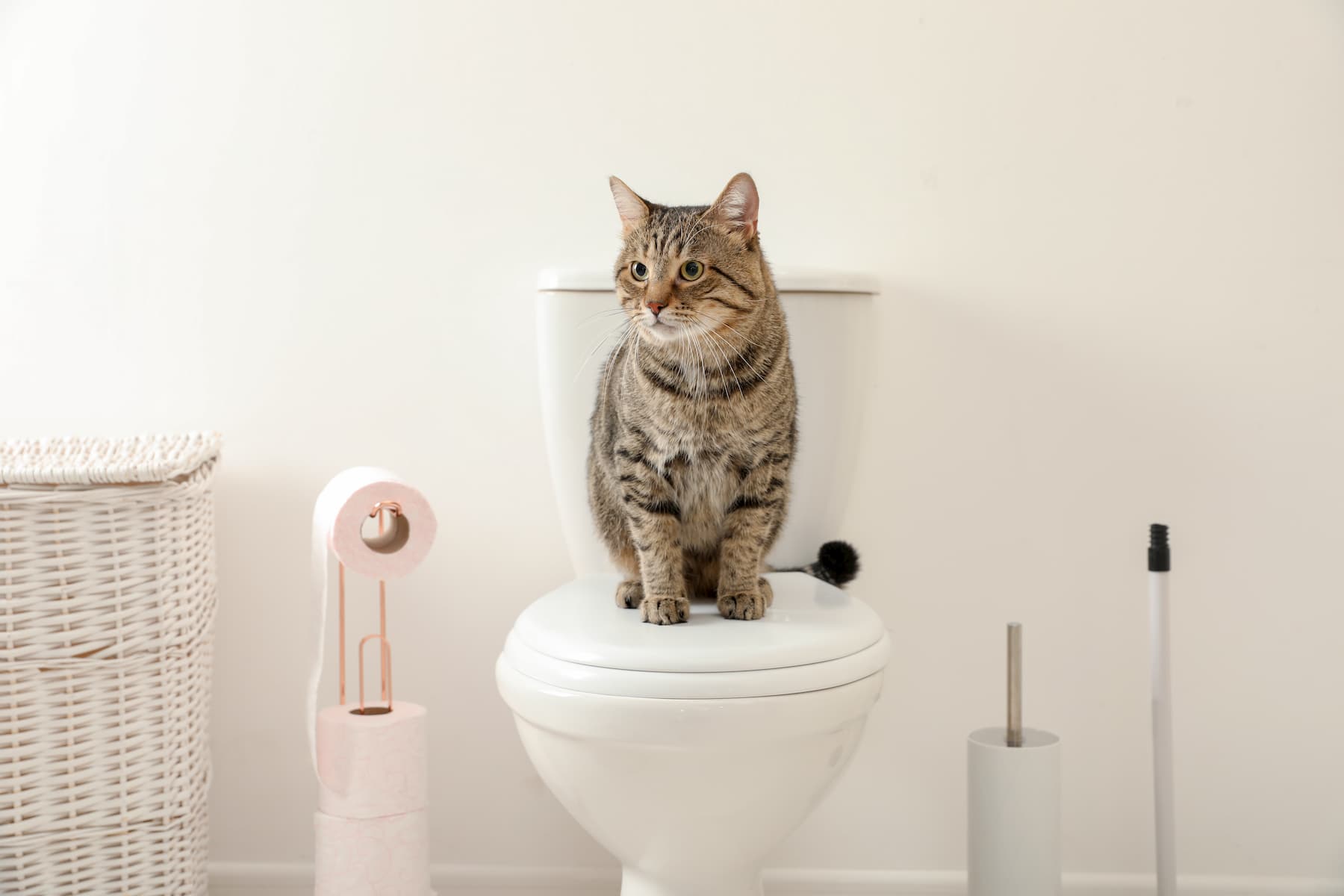
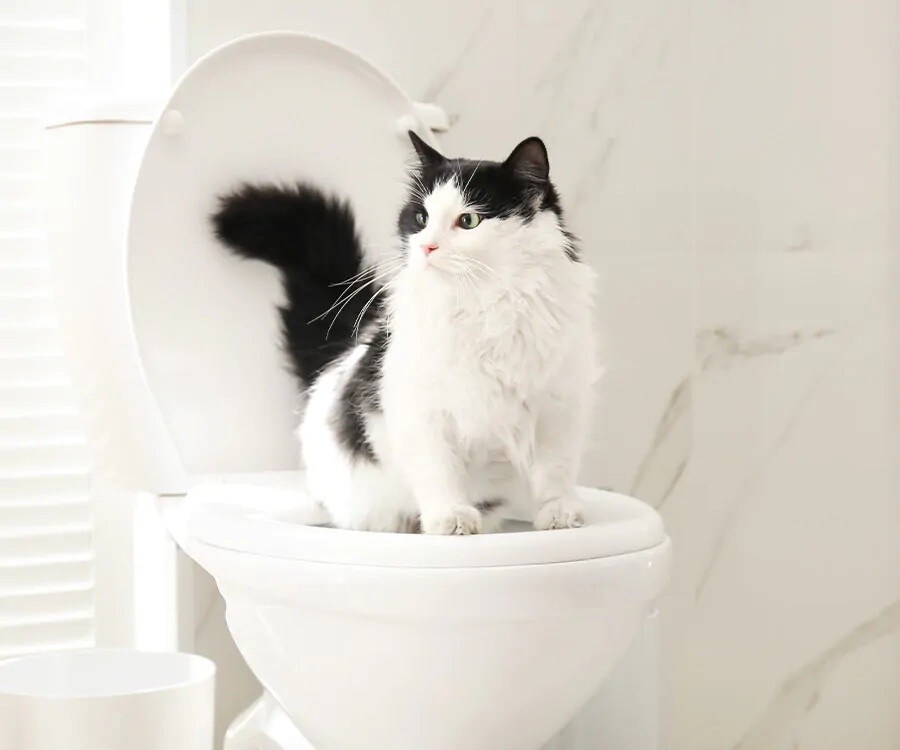
Image of Potty train to Cats

Putting some outdoor soil in the litter box helps the kittens to get habitual. And as your cat gets comfortable, you can gradually replace the soil with cat litter.

What If Your Cat Doesn’t Comply?

Well, some cats can be picky about the contents of the litter box. In most cases, the problem is the size of the box, smell, or texture of the litter.

They may find it uncomfortable in a box with a covering. Other things, such as the litter box’s location, might contribute to your cat’s behavior.

Nonetheless, a little bit of experimenting with the right combinations can help solve your problems. Moreover, joint pain or stiffness causes older cats to have difficulty accessing the box.

You can check whether the sides are too tall for comfort. Likewise, stairs or something might help in such a situation.

Furthermore, kittens tend to urinate all over the house to mark their territory even after being potty trained. They don’t exhibit such behavior after being spayed or neutered.

Besides that, your cat can show inconsistency in using the litter box. It might use the box for a time before suddenly stopping. Usually, stress and anxiety are the culprits.

You can contact the veterinarian or check for any major environmental changes to solve the issue. Additionally, no longer use of the litter box might be a sign of health problems, including urinary tract infection.

Vet Shows : 11 Must Watch TV Shows for Pet Owners/Lovers

People love consuming content on topics that fuel their enthusiasm. Vet shows can be extremely enjoyable and informative for people who are pet owners or just love watching and learning about animals.

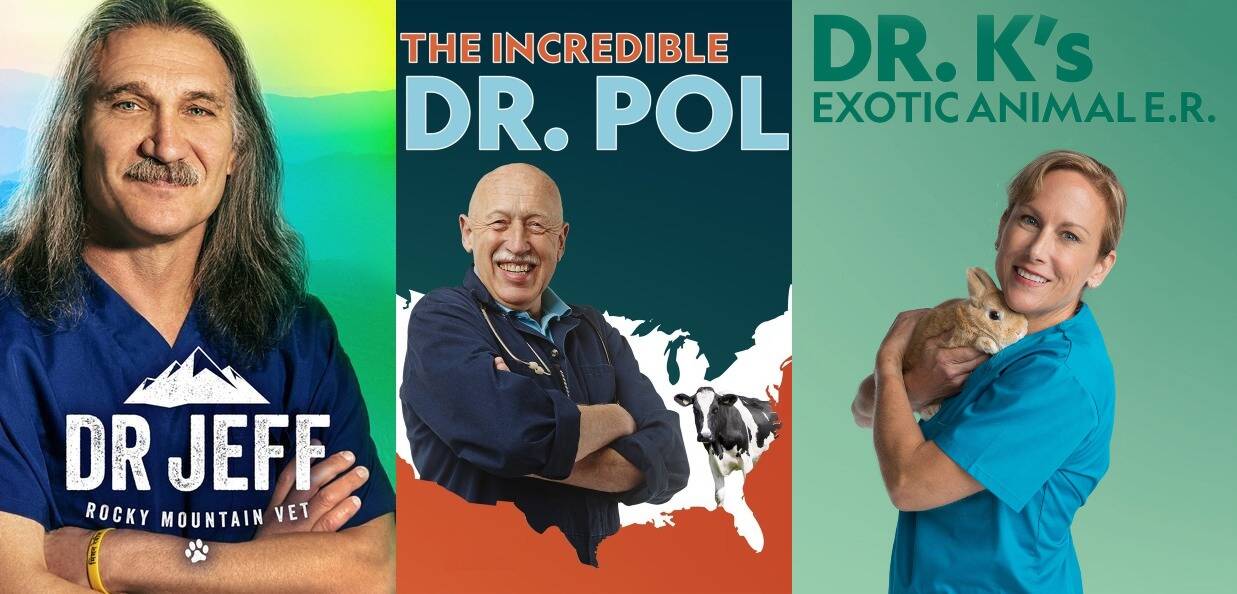
From Dr. Pol’s daily life on his cow farm to Dr. K’s routine of treating exotic animals, it’s amazing to see skilled doctors utilize their learning and craft to help animals.

If you love pets and wild animals and want to binge-watch some awesome vet shows, here are 11 vet shows to watch for pet owners/lovers.

About Vet Shows

Vet shows mainly air on channels like Animal Planet, National Geographic, Discovery, Disney+, and many more. They document the lives and projects of skilled veterinary doctors who dedicate their time and efforts to curing injured and sick animals.

Even though the majority of these shows are heartwarming and can be watched by all age-group, there are also disturbing images sometimes. The end result, however, is always amazing to watch after the injured animals are successfully treated.

Unlike other shows, vet shows do not receive any controversy and hate. Almost all of the shows listed below have an IMDB rating of more than 8.

This conveys that the fan base really enjoys and appreciates the efforts of the cast as well as the producers. Let’s have a look at 11 incredible vet shows to watch for pet owners/lovers.

The Incredible Dr. Pol

The incredible Dr. Pol made its debut on Nat Geo TV in 2011. The show revolves around the Dutch vet, Dr. Jan Pol, and his contributions to the well-being of the animals on his farm and city.

His staff comprises his family as well as other hired employees. To date, the show has completed 20 seasons and currently airs on Disney+.

The primary casts of the show are Jan Pol, Diane Pol, and Charles Pol. Along with them, Brenda Gretenberger and Emily Thomas have also made significant contributions throughout the 225 episodes.
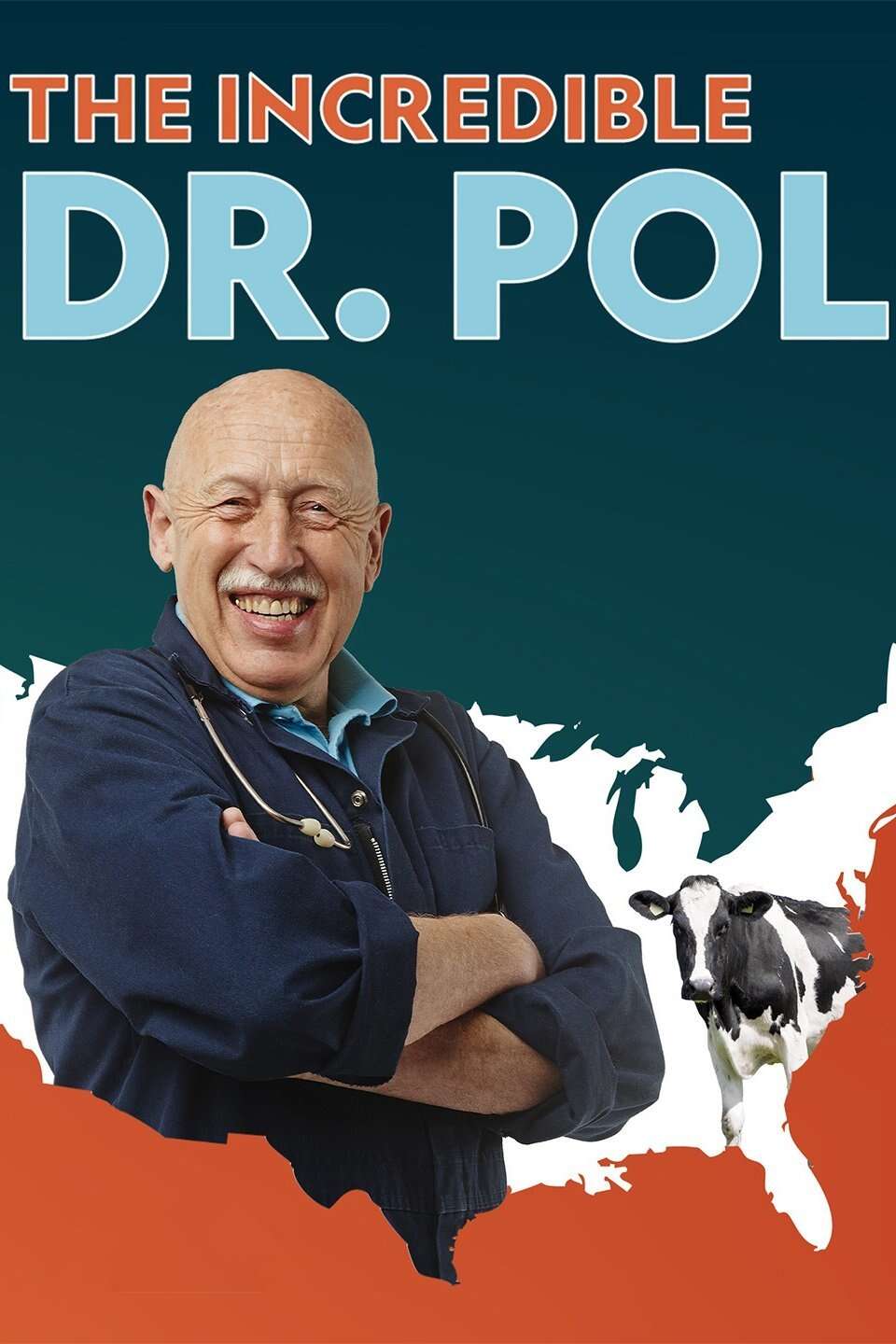
Image of Dr. Jan Pol

The show flaunts a rating of 8.5 on IMDB. Even to this day, the show still airs and is releasing its 5th episode of season 21 on Aug 13, 2022. The Incredible Dr. Pol has endowed new lives to 20 thousand+ sick and injured animals.

The team of expert vets operates in the city of Weidman, Michigan. Each cast of the show has a special role to fill. Their backstories and daily ordeals are also the things that keep the show interesting. The Incredible Dr. Pol is undoubtedly the best Vet Show in the world.

Dr. Jeff Rocky Mountain Vet

Living in the mountains and taking care of sick animals is not everybody’s cup of tea. Dr. Jeff is an amazing personality who operates an animal care hospital in Denver.

His journey began with Animal Planet in 2015. Even though the show now airs on Discovery+, Prime TV, and other premium subnetworks, the viewership hasn’t changed much. The show flaunts an IMDB score of 8.8.

As of March 2022, it has completed seven seasons and awaiting the release date for the eighth one. Dr. Jeff coordinates with about 80,000 clients and has performed critical surgeries on thousands of injured and sick animals.
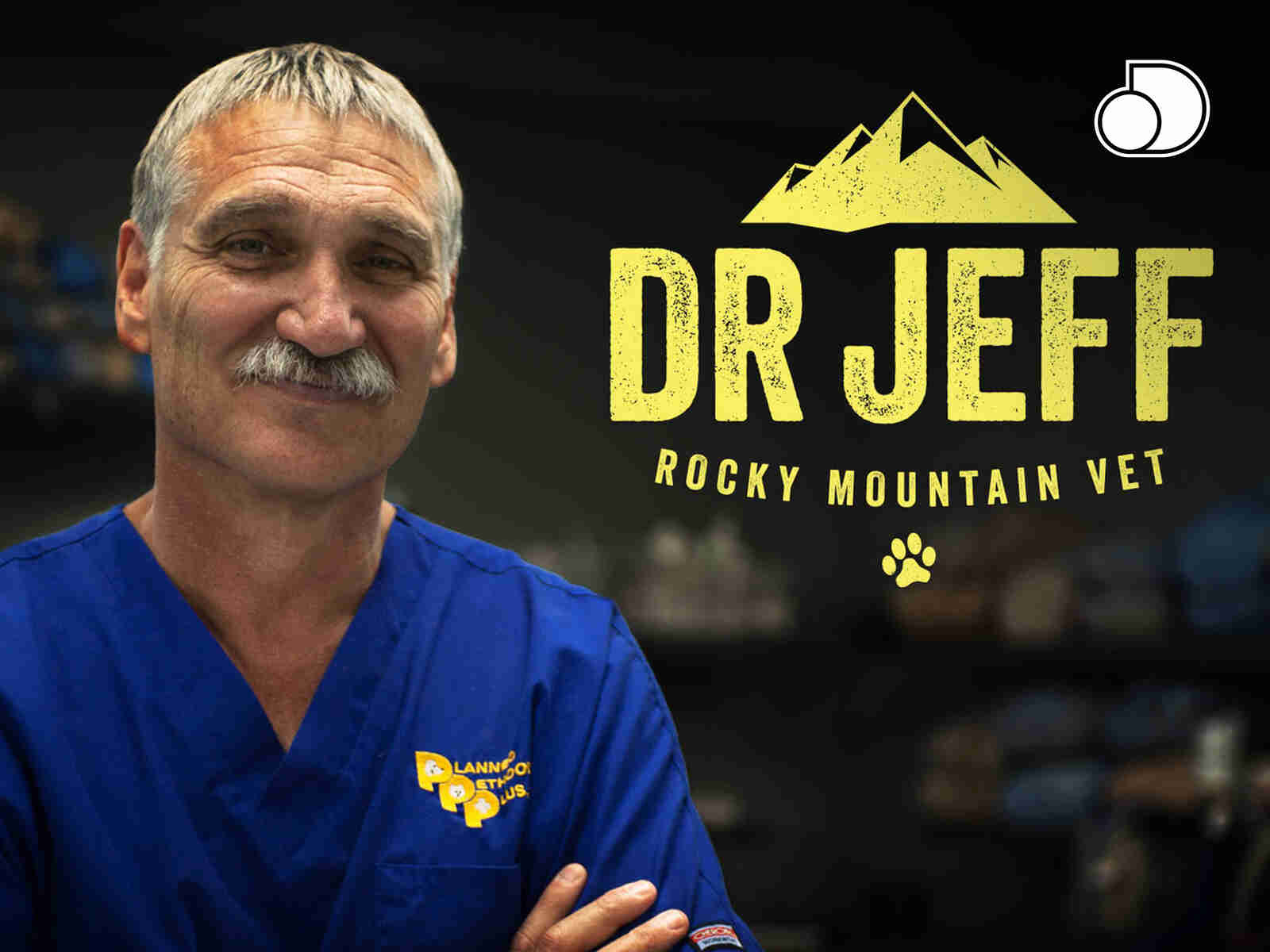
Image of Dr. Jeff Rocky

His animal hospital, Planned Pethood Plus, has been detrimental in changing the lives of the wild as well as domestic animals in the vicinity. John Shwab has been narrating the show since 2015.

The production company ‘Double Act Films’ takes care of all the documentation process while the doctors focus on saving and changing as many lives as possible. Dr. Jeff Rocky Mountain vet has been one of the best vet shows for many years.

Dr. K’s Exotic Animal Vet ER

On October 4, 2014, Nat Geo Wild Network came up with an amazing show that documented the story of Dr. Susan Kelleher. Susan is a vet doctor who has been taking care and operating on wild animals and pets in South Florida.

What’s unique about this show is that it deals with all kinds of animals, and that’s also where the show’s name comes from. Aside from Susan, the main casts of the show include Sarah Stoneburg and Veronica Pardini.

Ever since the start, Art Edmonds and Josh Goodman are the narrators and storytellers of the show. As of 2022, ‘Spectrum Productions’ has released 9 seasons of the show and has aired 87 episodes in total.
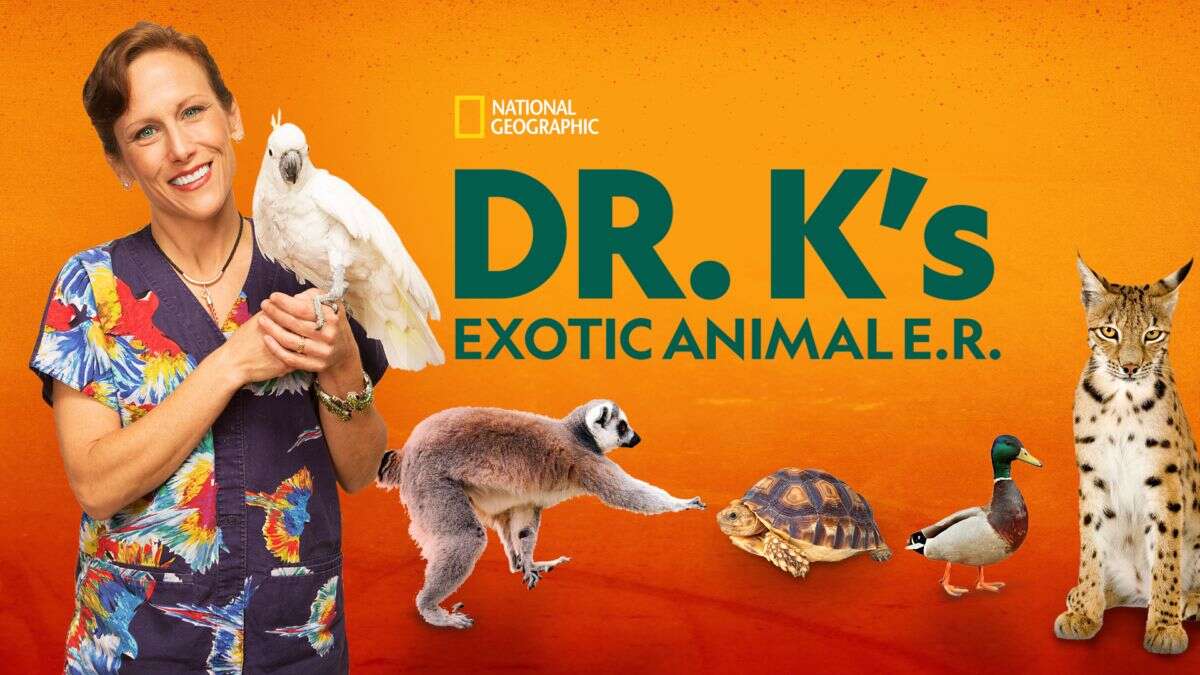
Image of Dr. Susan Kelleher

Dr. K’s Exotic Animal Vet ER has an IMDB rating of 8.1. In the past, another young vet doctor Lauren Thielen also used to work on Dr. K’s farm.

However, after learning a lot from her experiences on the farm, Dr. Lauren went on to start her own animal care hospital as well as her own show.

Dr. Oakley Yukon Vet

When she graduated from the Atlantic Vet College, Michelle Oakley had only one goal: to start her animal hospital as soon as possible. After college, she enrolled in an internship at the Calgary Zoo.

In addition, she adventured around the Haines Junction to know more about its ecosystem and animals. On 4 April 2014, her career as a TV personality officially began.

The vet doctor’s every operation has been documented since then. To date, she has saved the lives of countless wild and domestic animals in her territory.
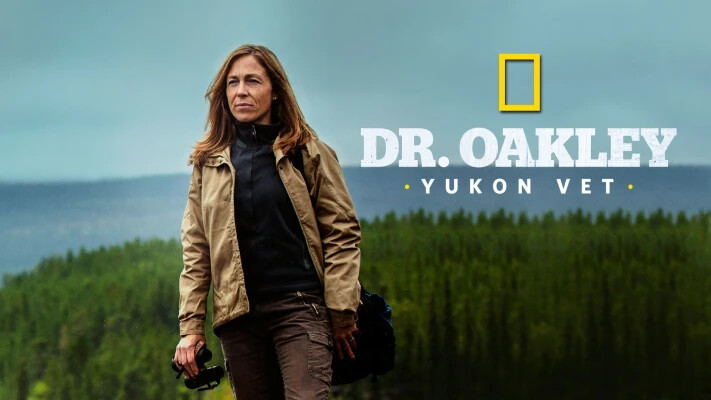
Image of Dr. Oakley Yukon Vet

Her extraordinary work in Yukon has helped fulfill her dream and provided her with much-deserved fame. As of 2022, Dr. Oakley Yukon Vet has already aired 10 seasons.

The doctor and her family are the main cast in all of the 85 episodes. Finally, the narrator Zac Fine has been involved with the show ever since its first episode. Fans have rated the show 8.4 on IMDB.

Heartland Docs, DVM

Another in the list of best TV vet shows is Heartland Docs, DVM.

It is so amazing to see a husband and a wife sharing the same passion and working on it together. A similar story is seen in the Disney+ popular show Heartland Docs.

Dr. Ben and Erin are two skilled vets who have been saving lives and treating animals around Rural Nebraska for many years now. The husband-wife duo is ever ready to welcome any injured or sick animals to their hospital and also provide free services in many cases.
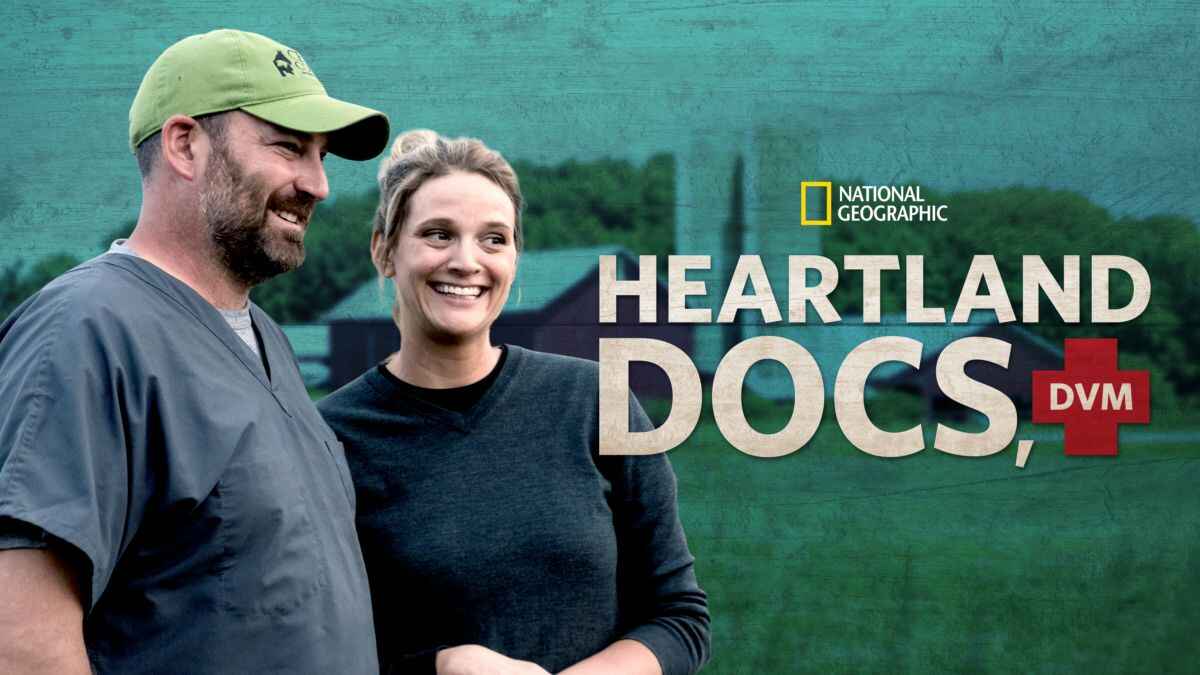
Image of Dr. Ben and his wife Erin

The couple has two sons who have started showing interest in the vet world. They are learning every day about the profession and also have started making frequent appearances on the show.

The first season of Heartland Docs aired in early 2020. And in just two years, it is on its 4th season already. Fans have rated the show 8.7 on IMDB and it has a runtime of sixty minutes.

Critter Fixers: Country Vets

The vet doctors Hodges and Ferguson never really wanted to build a big business. They started out by helping and treating animals in their neighborhood.

Today, they own one of the busiest vet hospitals in the South of Atlanta. Furthermore, they also document all their veterinary practices and projects in the show Critter Fixers: Country Vets.

Critter Fixers currently airs on Nat Geo Wild and Disney+. The show made its debut on March 7, 2020, and has completed 3 seasons in a short period of time.
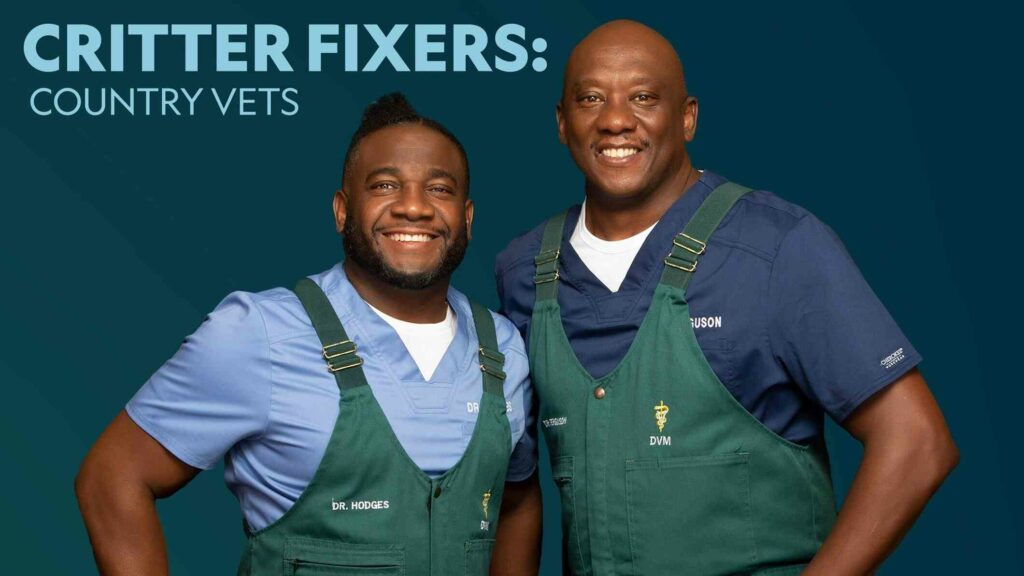
Image of Dr. Vernard Hodges and Dr. Terrence Ferguson

To date, Vernand Hodges and Terrence Ferguson have healed more than 20k animals. The show gets some really unique cases thanks to the wildlife variety in the area.

The show is currently awaiting the announcement of season 4.

The VET Life

The VET Life features the story of three friends who are also veterinary doctors. The show airs on Animal Planet GO and streamed its first episode in 2016.

The main cast members of the show are Michael Lavigne, Diarra Blue, and Aubrey Rose. All of them reside in Houston Texas. There, they also operate their house cum animal hospital.

One compelling fact about the show is that it also emphasizes the personal life of the vet doctors. The twists and the story unfolded by their backgrounds account for an amazing watching experience.
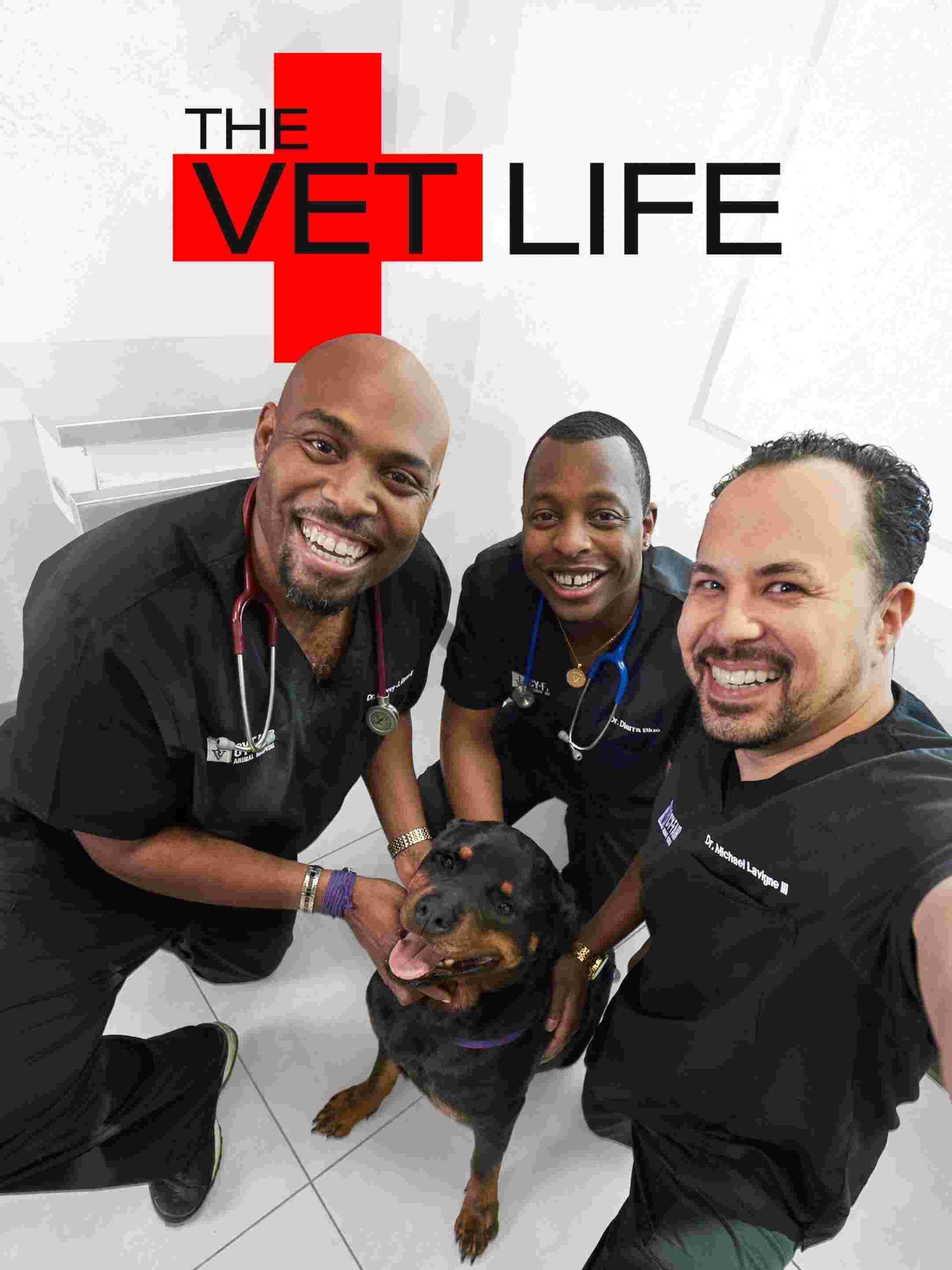
Image of Michael Lavigne, Diarra Blue, and Aubrey Rose

A nurse named Marilyn Swick also features on the show along with the vets. As of 2022, the show has already aired 6 seasons and is currently awaiting release announcements for season 7.

The Supervet Noel Fitzpatrick

The Supervet Noel Fitzpatrick is one of the best Vet Shows that mainly focus on advanced animal surgeries. Doctor Noel is an inspiration for all pet lovers scattered around. He earned the moniker of ‘bionic vet’ thanks to his remarkable contributions to the well-being of thousands of animals.

What’s interesting about his show is that they use cutting-edge technology to perform operations on animals. Thus, they have managed to successfully treat hardest-to-cure pets throughout their journey.

Dr. Noel leads a team of 50+ vet doctors worldwide. In his clinic, the producers have installed filming cameras which lets them document the work process of the vet doctor.
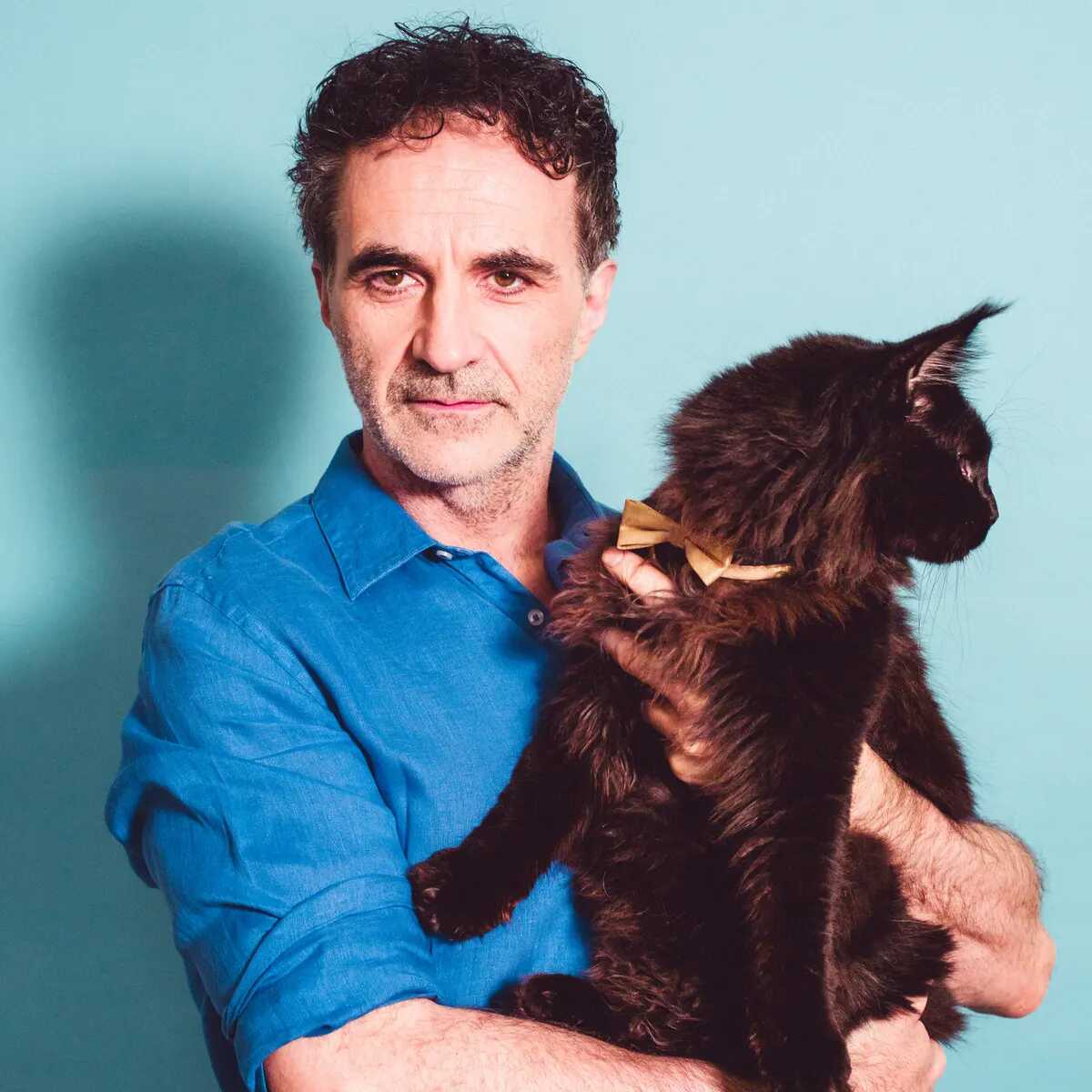
Image of Noel Fitzpatrick and Cat

Thanks to the latest technologies and a capable team, the super vets have treated many beyond-saving cases. Throughout its eight years of running time, The Supervet Noel Fitzpatrick has successfully aired 16 seasons.

The first episode aired in 2014, and the viewers immediately fell in love with the show’s concept. Fans can see the show either on Channel 4 or National Geographic.

Dr. DEE Alaska Vet

Dr. Dee Thornell always wanted to do something meaningful. Thus, she dedicated her life to caring for and treating both wild and domestic animals.

Throughout her career as a professional vet doctor, she has saved countless lives in Alaska. She runs her clinic in the state, which is never closed for the animals that need emergency help.

Dr. DEE Alaska Vet made its television debut in 2015 via Animal Planet. It’s her life’s mission to help animals.
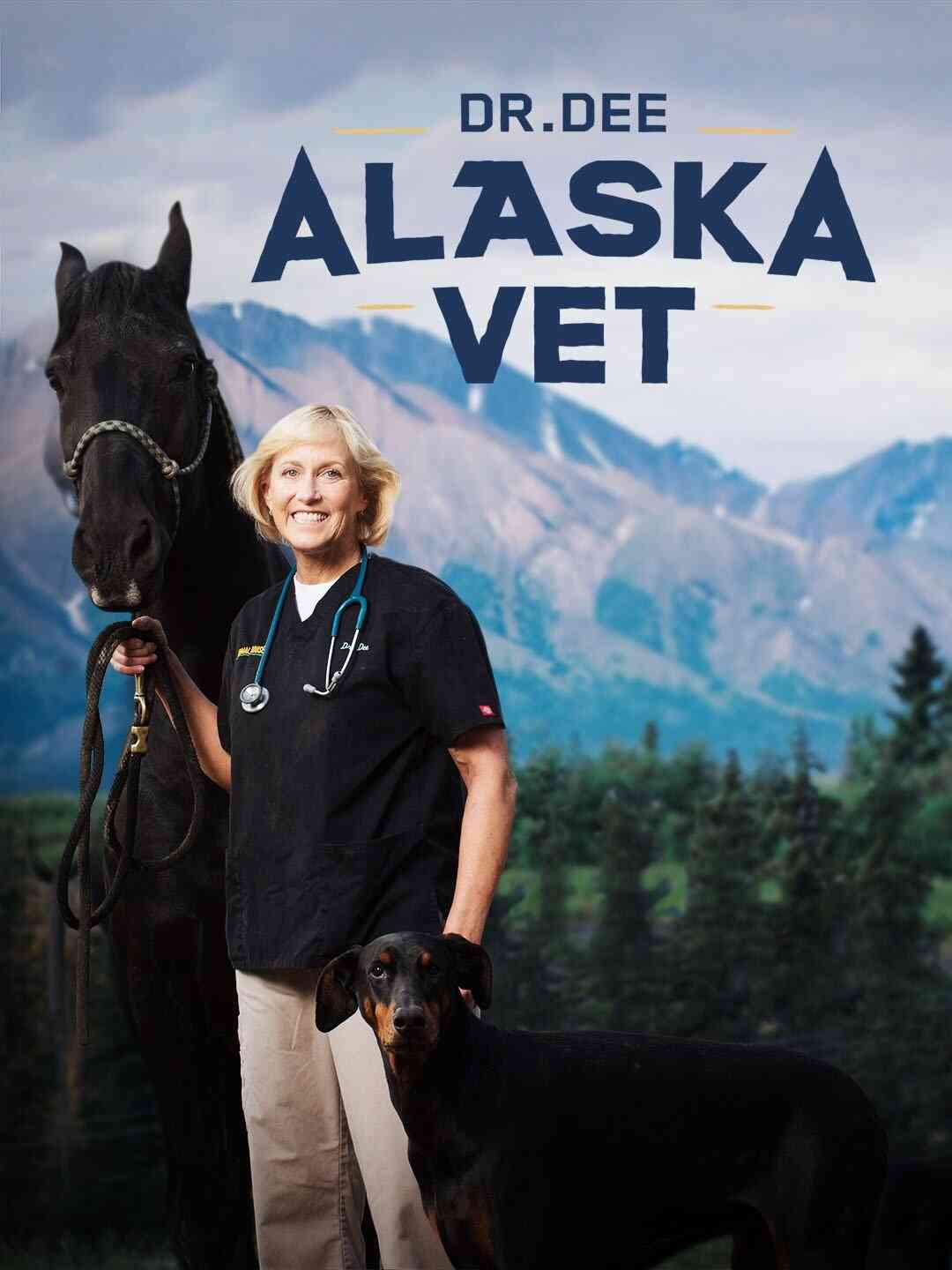
Image of Dr. Dee Thornell

She came from the Midwest but has now settled in Alaska. The only thing that keeps her stationed in this region with sub-zero temperatures is her passion for work.

To date, the show has aired for two seasons. The show flaunts an IMDB score of 7.8. Fans can watch the show on Animal Planet.

Dr. T, Lone Star Vet

Dr. T is the founder of Texas Avian and Exotic Animal Hospital. Her full is Lauren Thielen and she started her TV career with Nat Geo Wild on Oct 12, 2019.

Prior to working on her own show, Dr. T made frequent appearances on Dr. K Exotic Animals show. However, after gaining a bit of experience, the young doctor returned to her hometown to open an animal clinic.

In almost three years, the show has successfully aired eight episodes and a single season. For a long time, there hasn’t been any news relating to the second season.
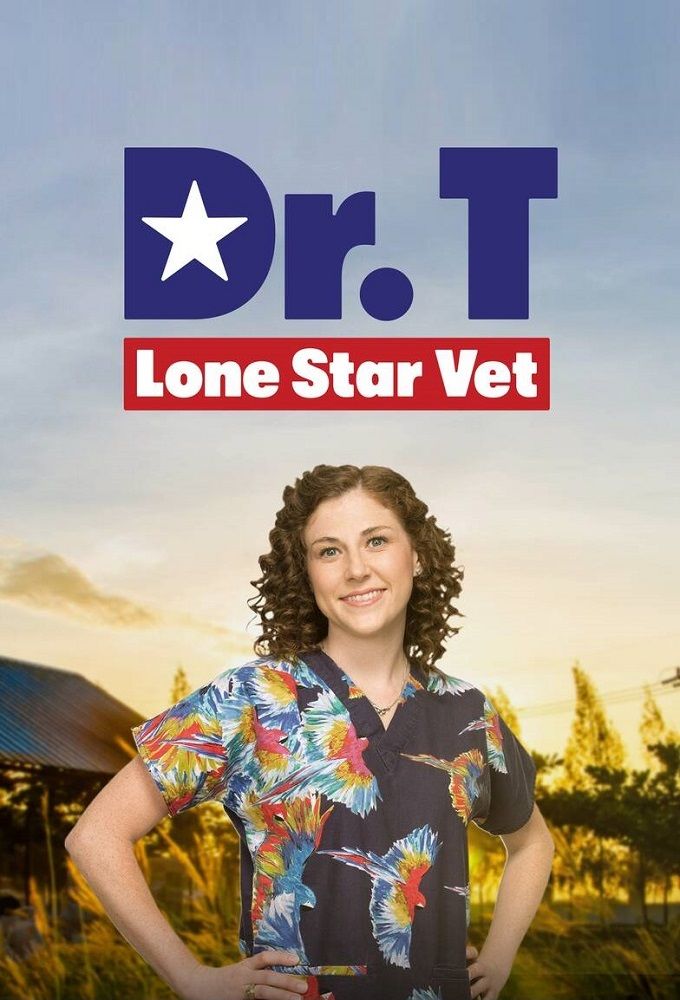
Image of Dr. Lauren Thielen

However, fans are still optimistic and waiting for the announcement from Nat Geo Wild. Chris Payne Gilbert narrates this amazing vet show.

Hanging with the Hendersons

In late 2018, a video of a vet doctor singing to a golden retriever before surgery became viral on YouTube. The doctor was none other than Ross Henderson, son of Tony Henderson, who founded the ‘Fox Hollow Animal Hospital.’

After its popularity, Animal planet decided to produce a show with young vet doctors. And thus, Hanging with the Hendersons was started on 11 Jan 2019.

The show flaunts an IMDB rating of 7.9. For Hendersons, veterinary is like a family occupation. Their dad established the animal clinic in 1996.
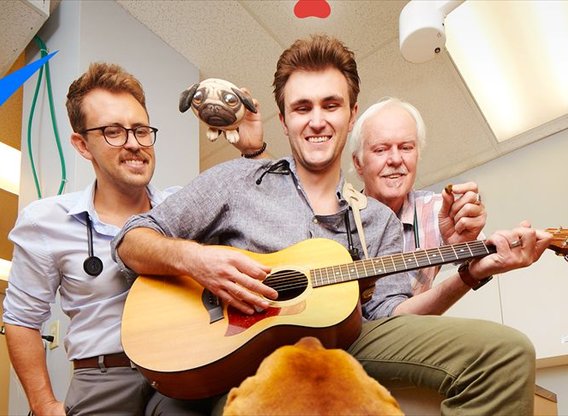
Image of Dr. Ryan, Dr. Ross, and Dr. Tony Hendersons

Since then, Fox Hollow Animal Hospital has saved numerous needy lives in the city. To date, the show has aired for two seasons.

Animal Planet is yet to announce the third season for the show.
French Bulldog and Husky Mix Lifespan, Temperament, Facts

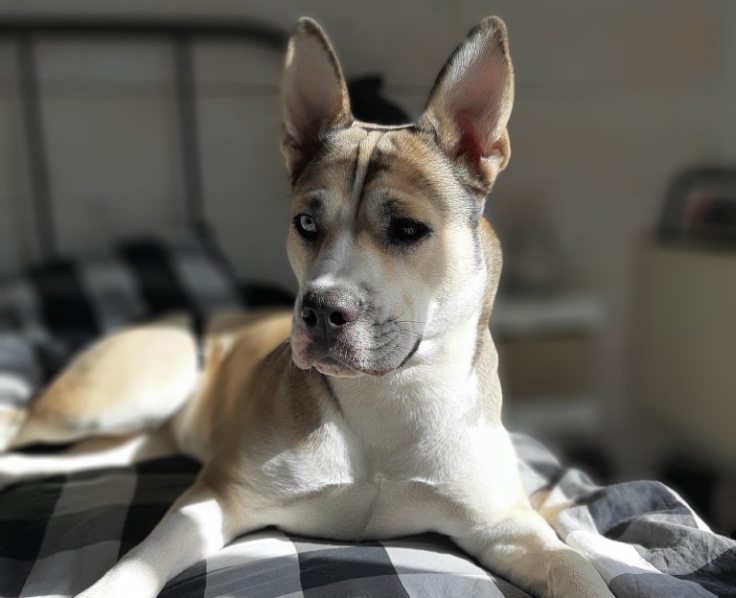
The Husky Bulldog Mix is a cross between the Siberian husky and the French Bulldog. At first glance, you’d think that this is a combination that should not exist. Huskies are wild, outgoing, ridiculously energetic, with a high prey drive. French Bulldogs, on the other hand, are reserved, chilled, and less active. So, what do you do if you cross the two?

Well, experts say that you’ll get a dog that takes after the two parent breeds. The husky bulldog mix is a unique dog that would make a great addition to most households. Well, provided they can cope with a little bit of madness.

Husky Bulldog Mix Lifespan

On average, the husky bulldog mix will live for about 12 years. If the conditions are favorable, then this dog’s lifespan can stretch to 16 years.

It will all depend on the kind of care the dog owner in question will provide. To live longer, these dogs will need a healthy diet, regular exercise, and frequent trips to the vet to ensure that everything is okay.

Husky Bulldog Lifespan

This is because the husky bulldog mix may be prone to health conditions like breathing difficulties and skin infections. Going to the vet will help keep these conditions in check, lengthening your dog’s lifespan.

Description and Appearance

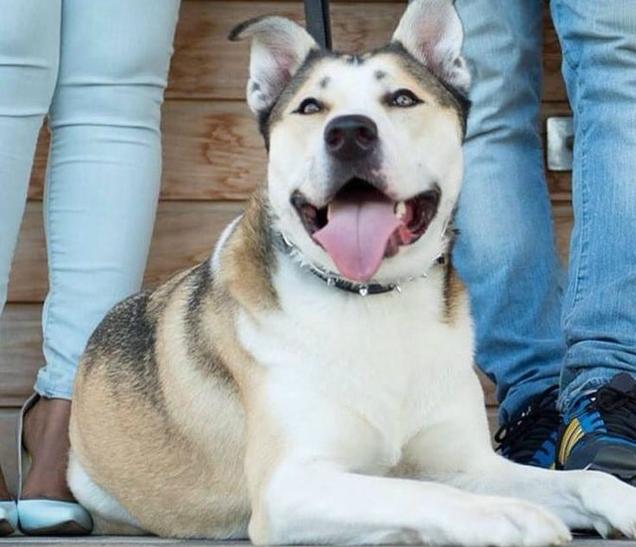
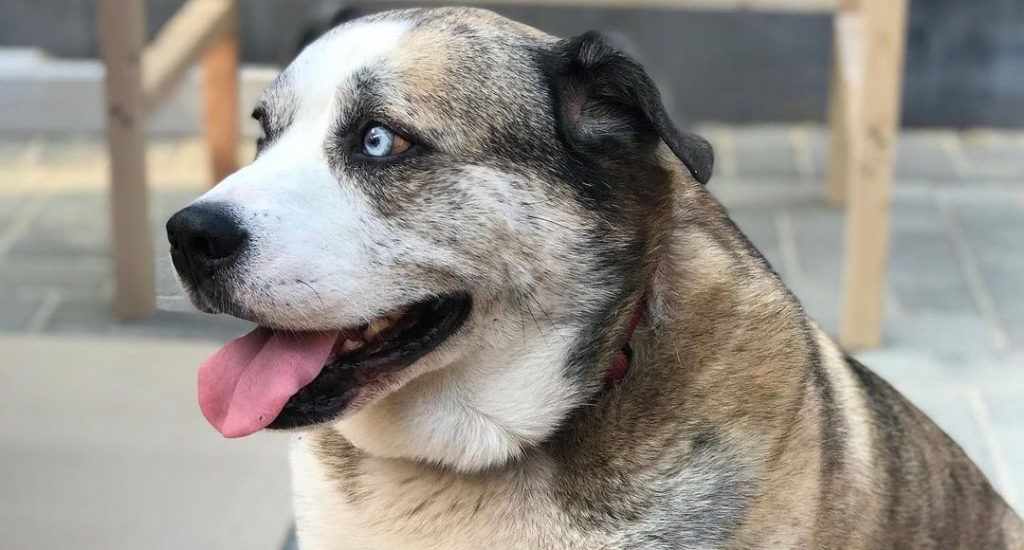
The husky bulldog mix is a medium-sized dog that has a white coat, just like the Siberian husky. Unlike the aforementioned parent breed, however, this coat will not only be short but can also take on a variety of color combinations.

These include, but are not limited to fawn, tan, or even a hint of brindle. Another key feature of this mix is erect ears, which, if you haven’t already guessed, come from its bulldog ancestry.

Other than that, this bulldog will also have the dazzling blue eyes that most people have come to associate with the Siberian husky.

Husky Bulldog Description and Appearance

When they attain full maturity, this dog will weigh anywhere between 35 to 45 pounds. Typically, they will fall on the heavy end of the spectrum because of the husky genes. Height-wise, they can grow up to 22 inches at shoulder length.

Temperament and behavior

The husky bulldog mix is a loyal, sharp, intelligent, alert and energetic dog. Other than that, you’ll also have to contend with stubbornness, which is inherent in both the Frenchie and the Siberian husky.

Moreover, they will also have a high prey drive, which means that you’ll have to be careful if you have cats around as well.

Though friendly, the husky bulldog can also prove to be wary of strangers, particularly at night. They will howl relentlessly if the peace of your home is disturbed. This is a testament to the loyalty they have for their humans.

Husky Bulldog Mix Temperament and behaviour

Because of their need to please their owners, this husky will also be easy to train; though, we should point out that a little patience is still required, nonetheless.

You need to develop a solid exercise regimen for your dog to keep him both mentally, and physically healthy. Some owners have found great success teaching their husky bulldog mix how to fetch, and even put toys back in the proper place.

Facts about the Husky bulldog mix

  • If not socialized effectively, the husky bulldog mix could become aloof and aggressive towards strangers, or other dogs. They should therefore be introduced to other pets while they are still puppies.
  • On average, the husky bulldog needs about an hour of exercise every day, lest he becomes bored and, in some cases, destructive.
  • Because of its French bulldog parentage, this dog will have to contend with breathing difficulties. Other health problems they may face include skin infections (dermatitis).
  • Dietary-wise, the husky bulldog will need a steady supply of quality dog food and water. On average, experts say that you should give him at least 600 calories every day depending on their size. This number can go up if your husky bulldog is heavier.
  • These dogs will additionally make great companions for children. Their impressive stamina means that they can run around for hours on end without really getting tired.

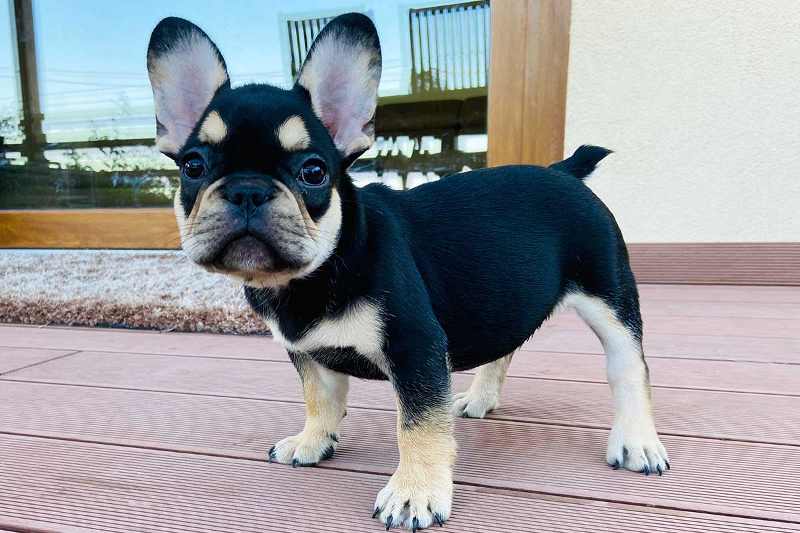
Black and Tan French Bulldog Facts and Information

The French Bulldog is a popular breed in places like America and Europe. They have a long and storied history that dates to 19th century Paris, where they were initially bred. In terms of size, Frenchies tend to be small, stocky, with bat ears. Aside from aesthetics, most dog lovers opt for French bulldogs because of their easy-going nature. They do not need a lot of room and can cope in small apartments. In total, there are 14 different types of French Bulldogs. The black and tan French bulldog is one of the unique breeds available in the market.

Appearance and Description

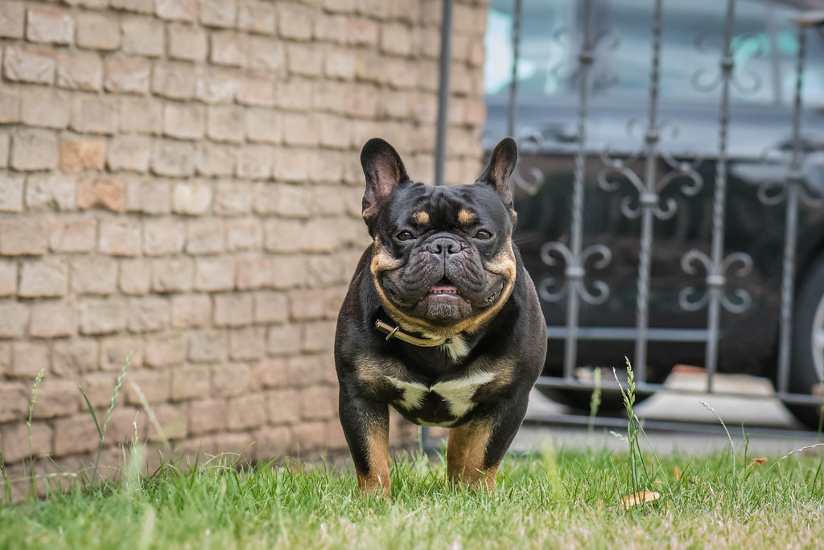
As far as appearance goes, the Black and Tan French Bulldog has a stunning and shiny coat. These Frenchies also have remarkable tan marks across their limbs, eyes, and even cheeks to complete their look. One notable feature is the absence of brindle across their coats, which gives them an all-around sleek and regal look.

Like the rest of their kind, black and tan French bulldogs also have short, stumpy tails that look docked. This isn’t the case, however, as their short tails are a result of breeding.

Black and Tan French Bulldog Description Appearances

Black and Tan French Bulldog Lifespan

The Black and Tan French Bulldog can stand up to 12 inches tall, weighing as much as 20 to 28 pounds at full maturity. In addition to this, they can live for 10 to 14 years. This will depend on the type of care they receive throughout their lives.

Temperament and Behaviour

The black and tan French bulldog is a delightful dog to have around the house. They are friendly, affectionate, playful, attentive, and equally sociable.

When they bond with someone, they will hardly ever want to leave their side. This could, of course, create a sort of separation anxiety if they are left alone for an extended period.

The black and tan Frenchie thrives on human companionship, so if you are interested in an independent dog, then you should probably look elsewhere.

Another thing to look out for is their propensity to bark all the time. Alternatively, this might make them an excellent guard dog as they will bark when they sense a stranger in the vicinity.

Black and Tan French Temperament and Behaviour

Facts about the Black and Tan French Bulldog

  • The Black and Tan Frenchie can be mischievous if not trained effectively. You need to be patient when teaching them, as they are fiercely stubborn and independent thinkers.
  • Because of their thin coats, grooming is not an issue with these dogs. Moreover, they will not shed as much as other dogs with thicker coats.
  • The black and tan Frenchie is a dog that does not need much exercise. In fact, they only need about 15 minutes every day to meet their exercise requirements.
  • Like other types of French bulldogs, you need to be careful when taking your black and tan out on hot days. They cannot cope with the heat and better cope in air-conditioned houses.

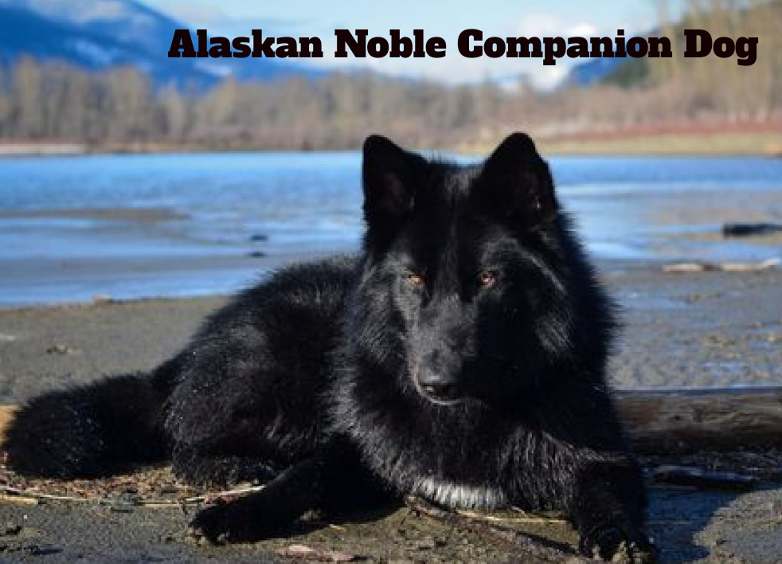
Alaskan Noble Companion Dog Weight, Temperament, Facts.

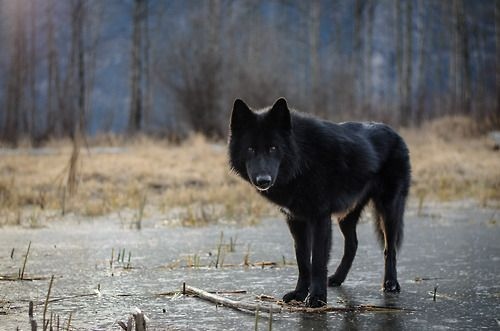
The Alaskan Noble Companion Dog is a stunning and beautiful dog that closely resembles the Tamaskan and the Northern Inuit Dog. Because of its unique look, the Alaskan Noble Companion has been attracting significant attention lately. Its popularity can be attributed to its close resemblance to the dire wolf, an animal heavily featured on Game of Thrones.

As far as the breed’s history goes, research shows that it was first bred back in the 90s. It also derives the first part of its name from its relationship to other Northern-looking Breeds. From here on, we’ll talk about the breed’s temperament and other significant facts.

Alaskan Noble Companion Dog Weight and Height

The Alaskan Noble Companion Dog is classified as a large breed. On average, they should ideally weigh anywhere between 60 to 110 pounds (27kg to 50kg).

They also measure in at 26 to 33 inches when they reach full maturity. How does this measure up to other larger breeds? Well, when fully grown, the Alaskan Malamute, for instance, can grow up to 43 kg. It further highlights just how big the Alaskan Noble Companion Dog is.

Alaskan Noble Companion Dog Temperament

The Alaskan Noble is a working dog who is very energetic. As such, it can be used in a variety of activities, ranging from herding, tracking, agility training, hiking, to mushing.

Because of their high energy drive, you must make sure that they get at least 2 hours of exercise every day. Though they are good with family members, the Noble Companion Dog can be very standoffish with people he doesn’t know.

Alaskan Noble Companion Dog Temperament

So, you need to be very wary when introducing him to new people. Additionally, there is also an argument that they might display aggression or a higher prey drive. This is because of what experts call a ‘high wolf content.’ If not reigned in, this breed can prove to be aggressive and destructive.

So, how easy are they to train? Well, like all other large dog breeds, they need a firm and steady hand. If you are a novice dog owner, then you should probably look elsewhere.

Because the Alaskan Noble shares a few traits with a husky, it is highly sociable with other dogs. Therefore, it could potentially be an excellent addition to a home with other dogs.

Alaskan Noble Companion Lifespan

The official lifespan hasn’t been documented. However, some pet owners say that the Alaskan Noble Companion’s life span ranges from 13 to 17 years. This compares favorably to other large dog breeds, which typically live up to 10 years.

Alaskan Noble Companion Lifespan

Facts about the Alaskan Noble Companion

  • Because it shares traits with the Malamute, this breed can be highly dominant, especially with early male dogs. It will take a significant amount of training to keep this characteristic in check.
  • The ANC is a rare and unique breed. Consequently, most breeders will sell a puppy for about $800 to $1000.
  • Because of its double coat, this breed will shed frequently. You’ll need to brush them regularly in order to keep their coats healthy.
  • As far as their diet goes, this breed will require a healthy dose of protein. If you want to give them manufactured dog food, then you should opt for high-quality kibble with a protein content of about 20%. Other than this, you should also consider a raw diet because of its wolf-ancestry.
  • Typically, the Alaskan Noble Companion will have a dark, black coat. Additionally, they may also bare signature white markings across their chest.
  • This breed also has distinctive eyes that are dark by default.

What do cats like to eat for breakfast?

Cats are easily one of the most popular animals in the world. Several registries will confirm that there are about 60 different cat species spread out across the globe. It is further estimated that there over 40 million cat owners in America alone. Most cat lovers keep them around for companionship, or in some cases, to track down rodents and even snakes.

Foods Cats Likes to Eat In The Morning

Before you get a cat, you must first educate yourself on their nutritional requirements. While most people will be content to offering their cats wet or dry kibble, there are a few organic Foods cats like to eat in the morning.

Meat

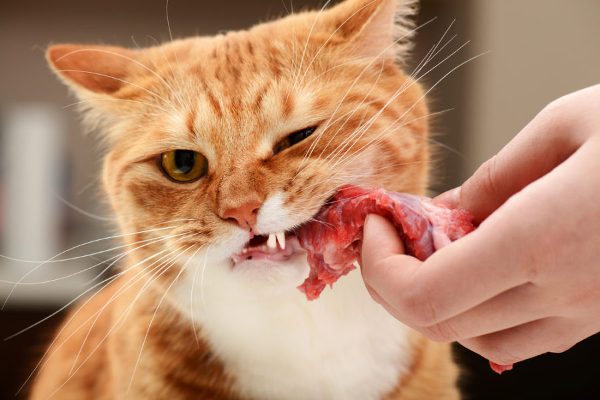
Cats are carnivorous animals who will not thrive without meat in their diet. They won’t be able to cope with a vegan diet, as it will not provide them with all the nutrients they need to grow. Far from being a source of protein, meat can have a positive impact on your cat’s health. Experts say that they can help promote a healthy heart, improve their reproductive function, and vision as well.

For breakfast, you can offer your cat a variety of meat, ranging from chicken, turkey meat, ground & cooked beef. Some people even opt for deli meats, provided it is still fresh. The golden rule is to ensure that the meat is well cooked, and not raw.

can cat eat meat

This can cause several health concerns for your cat, as raw meat tends to carry bacteria that will make them ill. If that’s not enough, uncooked meat can also cause internal blockages, or in some cases, constipation.

Nutritional value in 100 grams of ground beef.

Calories 217
Sugar 0 g
Fat 11.8 g
Carbohydrates 0 g
H2O 61%
Protein 26.1 g
Fiber 0 g

Carrots

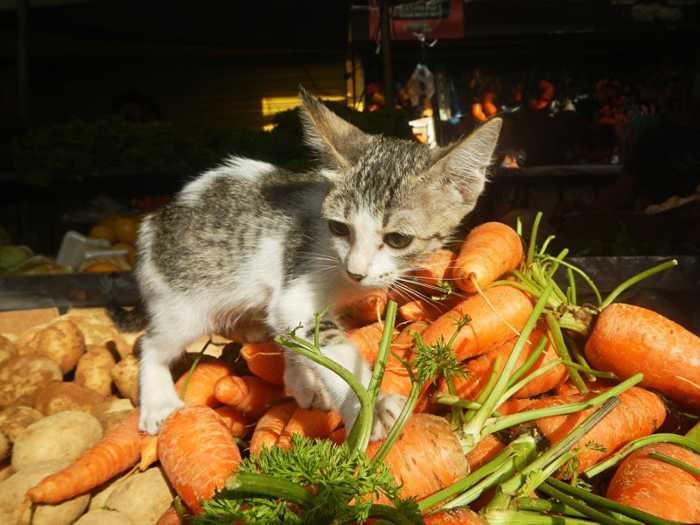
Carrots are a crunchy type of veggie that cats also like to consume in the morning. When cooked and cut up into small pieces, carrots can be a great addition to their diet. Experts say that they are loaded with vitamins like B6 & K1, and potassium. All of these will help to boost your pet’s immunity.

Can Cats Eat Carrots

Interestingly, cats will be more attracted to the carrot’s texture, rather than its taste. This is because their taste receptors are virtually non-existent. One thing to remember is that while a few slices of carrots will be good for your cat, they need protein to hit all their nutritional goals. So, in summary, carrots should be given as a treat in the morning before a hearty breakfast. And, since they mostly contain water and carbohydrates, you should not offer your cat too many carrot pieces.

Water 88%
Fat 0.2 g
Sugar 4.7 g
Calories 41
Protein 0.9 g
Carbs 9.6 g
Fiber 2.8 g

Whole grains

In general, cats tend to favour the texture of corn, cornmeal, rice, wheat berries and polenta. Before letting your cat eat this type of food in the morning, however, you must first crush them. Most pet owners will use grains to supplement their cat’s diet because food items like oats contain a significant amount of protein.

In addition to this, they are also relatively easy to prepare. As a general rule, you should go for a smaller range of grains, such as millet for instance. After crushing them, you’ll need to cook the grains to make them more palatable for your cat.

can cat eat whole grains

Rice is another good option as far as grains are concerned. It is especially good when it comes to improving your cat’s overall digestive health. Because of their high carb content, you should not offer too much rice to your cat.

Nutritional value of 100g of rice.

Calories 123
Carbs 30 g
Protein 2.9 g
Fiber 0.9 g
Fat 0.4 g

Fish

Fish like mackerels or even tuna can be a decent food option for cats to consume in the morning. Studies show that a healthy and moderate supply of fish can help to improve your cat’s vision. If that isn’t enough, a diet of fish can also improve brain function, and strengthen your cat’s joints.

Can cat eat fish

Because of the fish’s significant omega 3 fatty acid content, it can prevent ailments such as kidney disease, arthritis, and other heart related issues. Moreover, experts warn cat owner against offering raw fish, or even sushi to your cat. This is because it may expose them to harmful bacteria that will impact their health negatively.

Nutritional value of fish fillet (154 g)

Calories 280
Sugar 0 g
Fat 12.5 g
Carbs 0 g
Protein 39.2 g
Fiber 0 g

Eggs

Eggs are another great source of protein for your cat. Before letting your cat eat an egg, you should either cook it or boil it first. Raw eggs are full of e.coli, which, as you know, can cause serious gastronomical issues. They are also loaded with avidin, which will greatly hinder the absorption of key vitamins.

Can cat eat eggs

The only way to get rid of them will be to boil the eggs. Since cats are picky eaters, you’ll probably need to offer the eggs alongside food they are already used to eating. Moderation is also key when it comes to offering eggs for breakfast. Studies show that protein sources like eggs should only make up 10% of the cat’s diet. One egg contains:

Calories 75 grams
High Quality Protein 7 grams
Fat 5 grams
Saturated Fats 1.6 grams